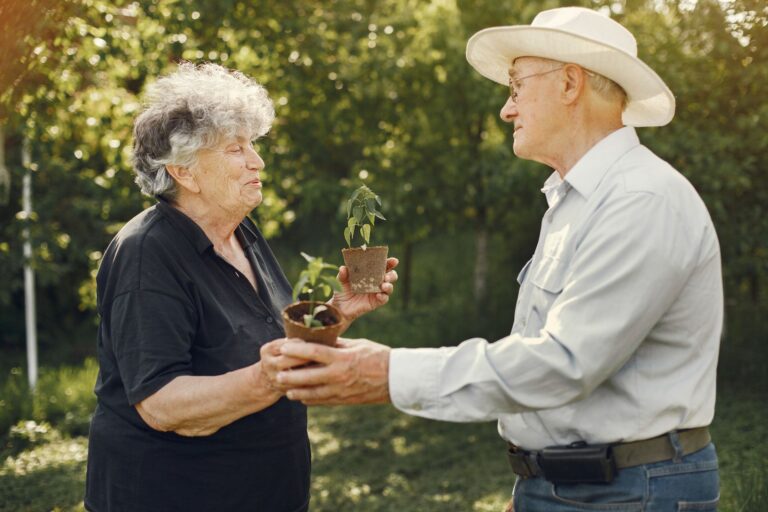
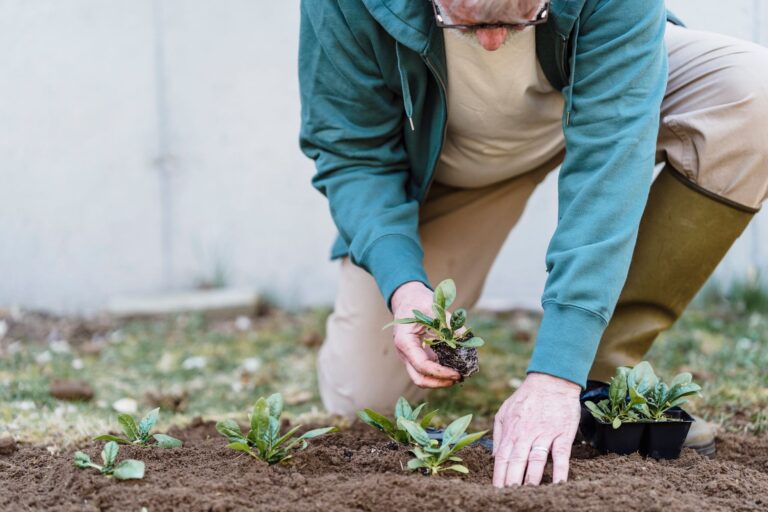
If you are over 65, live with heart disease, arthritis or diabetes, or are inactive, overweight or disabled, talk with a doctor first. The same step matters for balance problems, dizziness, chest pain, heat sensitivity, medication-related drowsiness or memory impairment.
Dementia prevention here means risk reduction, not a guarantee. Gardening counts as light activity that can support heart and brain health. A doctor can match the type and amount to your health needs.
Medical information disclaimer: This article is for general educational purposes only and does not provide medical advice, diagnosis, or treatment. Always consult a physician or other qualified health professional about symptoms, medications, tests, or treatment decisions.
Table of Contents
- How does gardening help the brain?
- Which ongoing health issues need medical input?
- What fall, heat and safety risks deserve a check?
- What should you ask your doctor?
How does gardening help the brain?
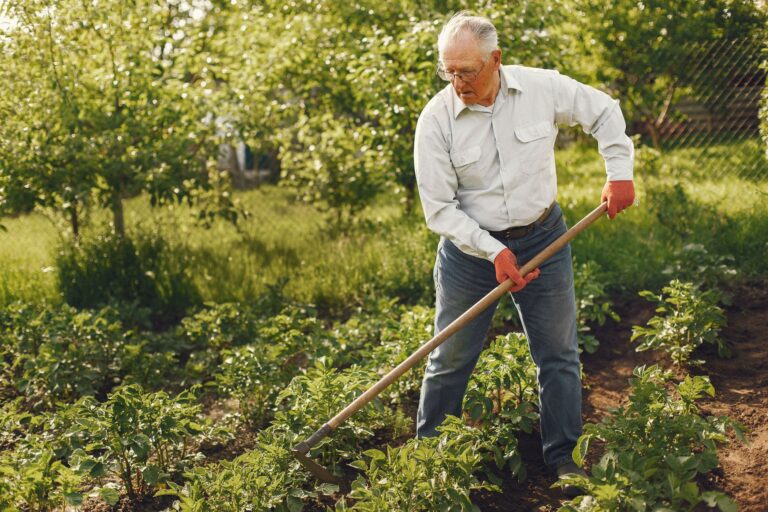
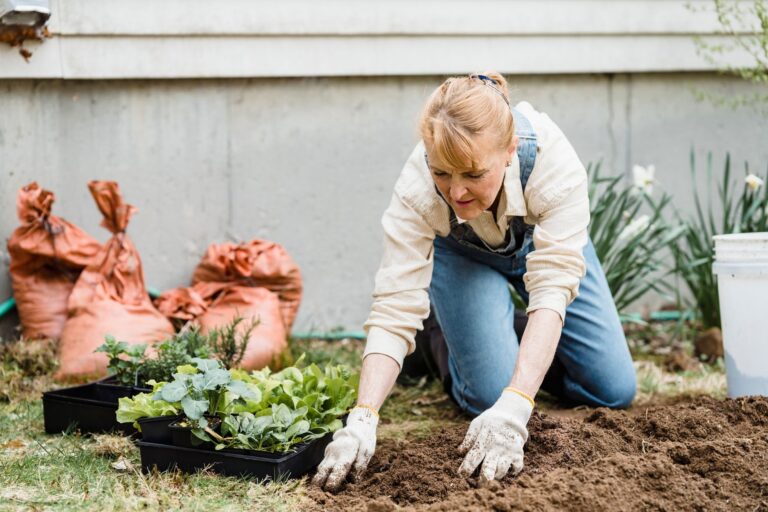
National Geographic reports that gardening provides sustained low-grade movement such as planting, pruning, digging and wheeling soil National Geographic report on gardening, body, brain and longevity. That effort raises heart rate, supports cardiovascular health and lowers stress-related cortisol. National Geographic also notes frequent garden work was associated with reduced dementia risk among older adults in China.
It also notes lighter tasks like seeding, watering and pruning may still support cognitive and mental health. UT Physicians, discussing 2025 research, links higher midlife and late-life activity such as walking, gardening or dancing to 41%-45% lower dementia risk UT Physicians summary of 2025 dementia prevention research. The stated path is better brain blood flow and cardiovascular health.
Which ongoing health issues need medical input?
The CDC advises adults with heart disease, arthritis or diabetes to ask a doctor which gardening types and amounts fit them CDC guidance on adding physical activity for adults. People who are inactive, overweight or disabled should also check before vigorous exertion, according to the same CDC guidance. Alzheimer's Society UK, summarizing the 2024 Lancet Commission, lists physical inactivity among 14 modifiable risk factors for dementia.
Together those factors account for about 45% of population cases, alongside hypertension, diabetes, obesity, smoking, depression and isolation. A doctor can weigh gardening against blood pressure, blood sugar, joint symptoms and fitness. Alzheimer's Society UK notes risk reduction works best alongside medical management of vascular and lifestyle risks.
What fall, heat and safety risks deserve a check?
Familydoctor.org advises adults over 65 to review exercise safety with a clinician Familydoctor.org exercise guidance for seniors. The check covers balance problems, dizziness, chest pain and drowsiness from medications. Heat sensitivity, sun exposure and dehydration add risk during outdoor work, as CDC heat guidance explains.
People with memory impairment who need supervision should also plan fall, tool and pesticide precautions before gardening. Tell the doctor about prior falls, near-faintness, chest discomfort and how heat affects you. Ask about safe times of day, shade, water breaks, footwear and supervised gardening if memory is impaired.
What should you ask your doctor?
Bring a short health summary and ask for a gardening plan that fits your limits. Focus on task type, weekly amount and warning signs. The Alzheimer's Association, summarizing U.S.
POINTER results published in JAMA in July 2025, describes a two-year trial in over 2,100 older adults at increased risk. A combined program of physical activity, nutrition, cognitive and social engagement plus heart-health monitoring improved cognition. Alzheimer's Society UK notes these are largely observational risk-reduction findings. Gardening supports brain health but does not guarantee prevention and works best alongside medical care for vascular and lifestyle risks.
- Which gardening tasks fit me, and for how long each week?
- What heart, joint, balance or heat signs should make me stop?
- What fall, sun, tool and pesticide precautions do I need?
- How should gardening fit with my blood pressure and diabetes care?