Gardening is linked to sharper thinking in later life, but it is one healthy habit, not standalone Alzheimer's prevention. In this context, prevention means lowering dementia risk and delaying decline, not guaranteeing immunity. Subjective cognitive decline means self-noticed memory slips or confusion. Research links regular gardening to fewer such complaints, mainly because it adds movement, outdoor time, mood support, and fresh vegetables.
Medical information disclaimer: This article is for general educational purposes only and does not provide medical advice, diagnosis, or treatment. Always consult a physician or other qualified health professional about symptoms, medications, tests, or treatment decisions.
Table of Contents
- What have gardening studies found?
- Why would gardening help the brain?
- What does a proven lifestyle plan include?
- How can gardening count each week?
What have gardening studies found?
Adults who gardened sometimes or often gained more lifetime thinking skills from age 11 to 79 than rare or never gardeners. University of Edinburgh researchers found the link in 280 of 467 adults in the Lothian Birth Cohort 1921, independent of education, childhood ability, health, and physical activity, as described in the University of Edinburgh report. The Edinburgh team also noted that neighborhood greenery, gardening intensity, or social contact during gardening could explain part of the difference.
That detail matters because it keeps gardening in perspective as part of an active social and outdoor life. A larger 2024 cross-sectional study of 136,748 U.S. adults age 45 and older pointed the same way. The Nutrition Journal study found gardeners had lower odds of subjective cognitive decline and of decline-related functional limits, partly tied to energy use, less depression, and vegetable intake, according to the study index record.
Why would gardening help the brain?
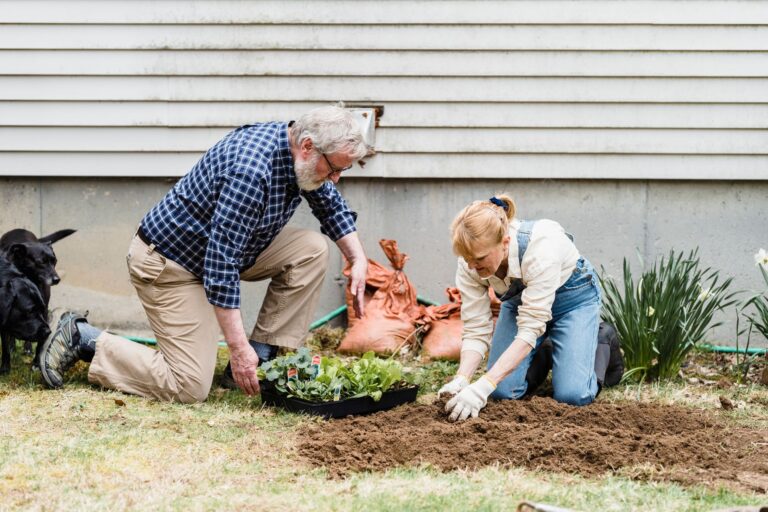
Gardening bundles several brain-healthy behaviors into one routine. Digging, raking, carrying soil, walking, squatting, and lifting raise energy use and build strength. Planning beds, learning plants, and harvesting vegetables support learning and healthier eating.
Mood and contact matter too. Less depression was one pathway in the large U.S. study. A community plot, shared harvest, or regular chat over the fence adds social and mental engagement that solitary indoor time lacks.
What does a proven lifestyle plan include?
The 2-year U.S. POINTER trial followed 2,111 adults ages 60-79 at elevated risk. The Alzheimer's Association reports that both multidomain lifestyle programs improved global cognition, while the structured high-support program improved it more and protected against normal age-related decline for up to two years, as shown in the U.S.
POINTER results. The higher-benefit recipe combined aerobic exercise four times per week plus strength work twice per week, 30-minute computer brain training three times per week, MIND-diet eating, social and intellectual activity, and regular blood-pressure, weight, and lab monitoring. Gardening alone does not replace that mix, but it can carry part of the exercise, diet, and social load.
How can gardening count each week?
For adults 65 and older, CDC guidance calls for at least 150 minutes weekly of moderate aerobic activity plus muscle-strengthening on two or more days and balance work. The CDC explicitly lists digging in a garden as qualifying muscle-strengthening activity, noted in CDC activity guidance for older adults.
Use garden time to meet that target without adding gym days: Track garden sessions like workouts, with date, minutes, and effort. Add two digging sessions and three brisk garden walks in a week, and the garden becomes exercise, food, mood care, and memory practice at once.
- Walk briskly to, around, and from the garden for aerobic minutes.
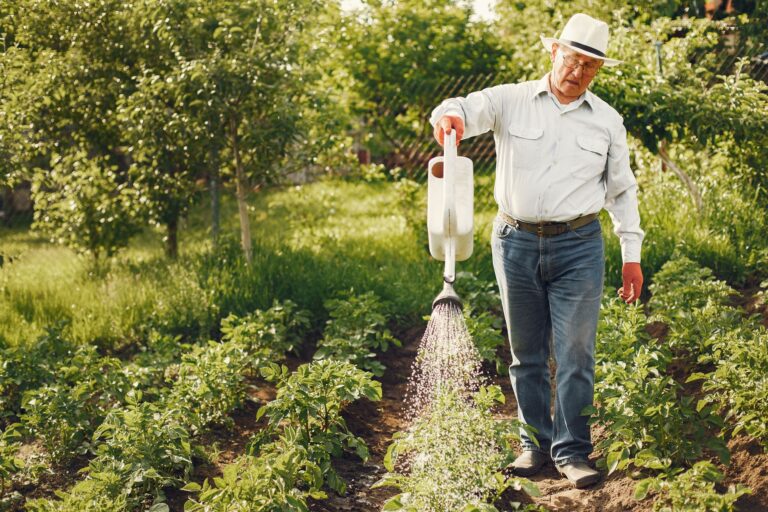
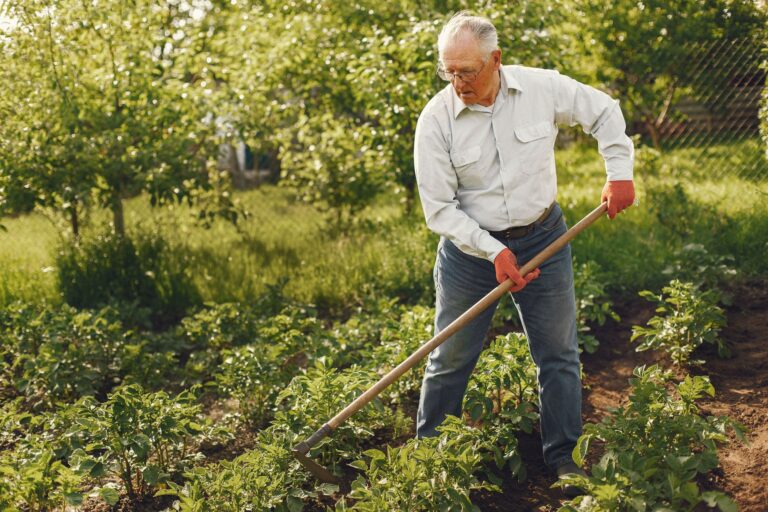
- Dig, shovel compost, haul mulch, weed from a squat, and carry watering cans for strength.
- Add one-leg stands at the bed edge, heel-to-toe steps on paths, and sturdy footwear for balance.
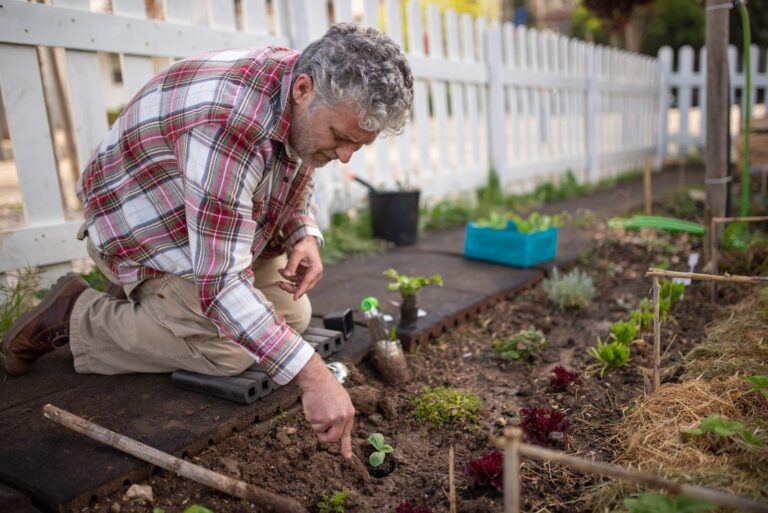
- Plant leafy greens, peppers, beans, and herbs, then harvest them for meals several times per week.