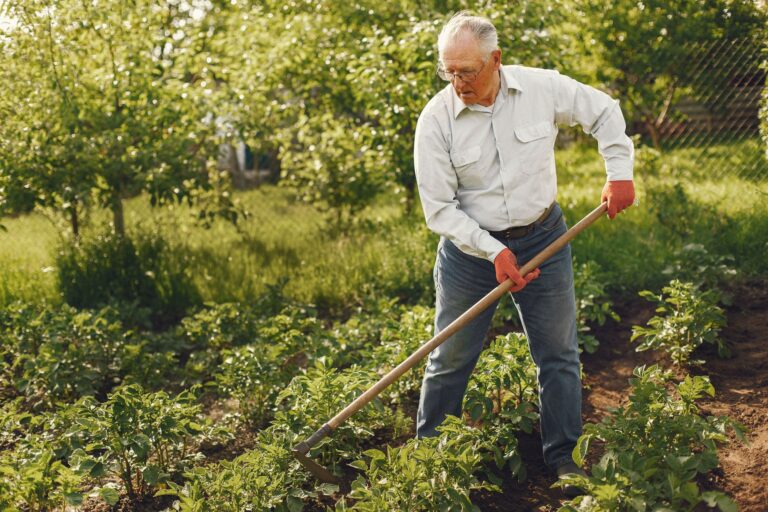
The most common barriers are unsteady mobility and fear of falling, no workable transport, program gaps and cost, and safety risks for dementia. A 2026 brain-health plan means a personal weekly routine to protect memory and thinking, and gardening fits only if these blocks are handled.
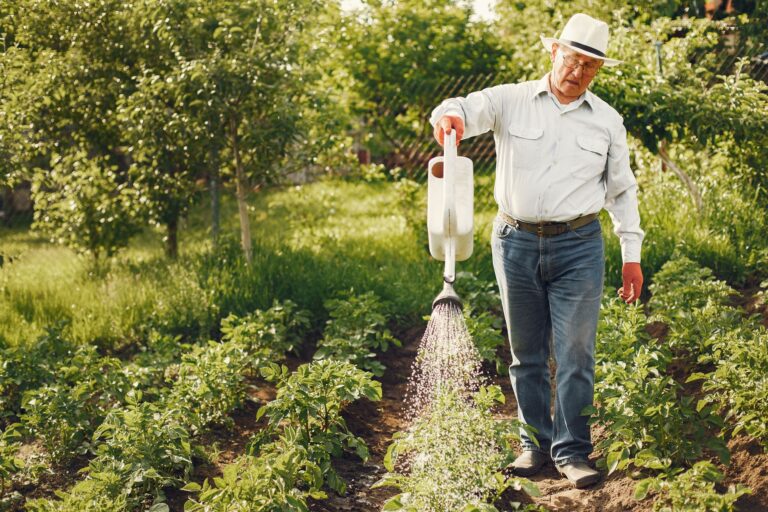
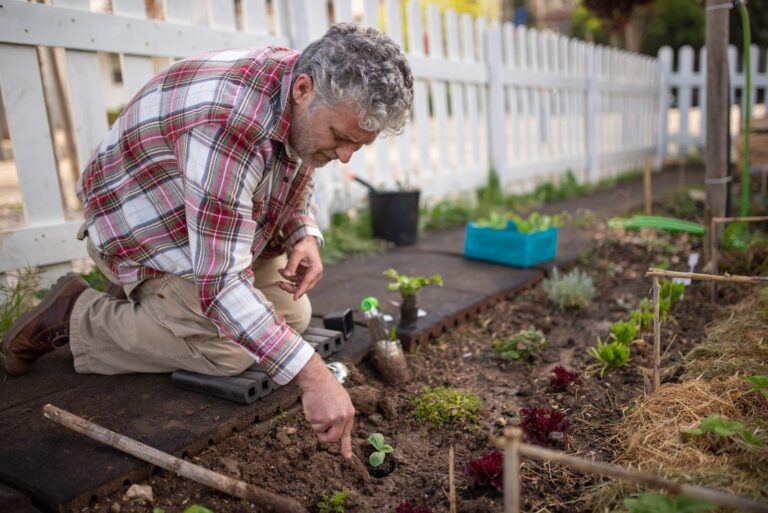
Gardening is linked with better mood, health and thinking in a University of Tokyo-led synthesis of 22 case studies and 76 comparisons, as reported by Earth.com in Earth.com reporting on the University of Tokyo synthesis. A large cohort study also links near-daily garden work with lower dementia risk. Those findings show an association, not proof that gardening itself prevents decline.
Medical information disclaimer: This article is for general educational purposes only and does not provide medical advice, diagnosis, or treatment. Always consult a physician or other qualified health professional about symptoms, medications, tests, or treatment decisions.
Table of Contents
- When strength, balance and weather get in the way
- Can you get to the garden and back?
- Why referrals and costs stall participation
- How to lower risk for a person with dementia
When strength, balance and weather get in the way
Many older adults face mobility shifts, low stamina and fear of falling. Confidence can drop on cold or rainy days, even in a familiar garden.
Nearby parks, benches and accessible paths lower the effort, in a British Ecological Society briefing on overcoming barriers for older people in nature. Short raised beds and seated tasks keep hands busy without long standing.
Can you get to the garden and back?
Lack of transport stops participation when older adults depend on family rides. Infrequent transit without walker or wheelchair space makes the trip unreliable.
Ask who drives, how often, and what the backup ride is. A plot close to home, a shared neighborhood bed, or a container garden can remove the trip entirely.
Why referrals and costs stall participation
A green prescription means a clinician suggests time in nature for health. Older adults face poor program access, service gaps, clinician knowledge gaps, prescriber hesitancy, limited capacity and income differences.
Registration fees, materials and tools also deter older gardeners. Practical fixes include sliding-scale fees, shared sheds and equipment trading with other growers.
How to lower risk for a person with dementia
Gardens pose poisoning, cuts, falls, heat and dehydration, and wandering risks. The Alzheimer's Foundation of America advises nontoxic thorn-free plants, no sharp tools, clear side-by-side workspace and supervision in Alzheimer's Foundation of America gardening guidance.
Small planting, potting or outdoor-meal tasks suit changing attention and energy. Trade an hour of weeding for 20 minutes of potting at a table beside a helper.
- choose smooth pots, blunt tools and thorn-free herbs
- work side by side at a clear table
- offer water, shade and short sessions with a watcher nearby