Familiar music sessions for late-stage dementia show engagement as attention, movement, singing along, alertness and brighter mood. They show distress as agitation, anxiety, and verbal or physical upset. Familiar music sessions are short, planned times playing songs the person knew in earlier life. You choose one or two familiar songs and watch the response closely.
Medical information disclaimer: This article is for general educational purposes only and does not provide medical advice, diagnosis, or treatment. Always consult a physician or other qualified health professional about symptoms, medications, tests, or treatment decisions.
Table of Contents
- What engagement looks like
- What distress looks like
- How do you set up a calm session?
- How long do benefits last?
What engagement looks like
Music therapy shaped to personal needs can lower agitation and anxiety right away. Anglia Ruskin University researchers report it also improves attention, engagement, alertness and mood Anglia Ruskin University summary on ScienceDaily. The researchers note songs from ages 10 to 30 cue faster, more positive and specific memories by engaging cognition and calming stress. In a 2006 trial described by Holmes and colleagues, 32 people with moderate-to-severe dementia and apathy heard 30 minutes of live interactive music Berklee archive of the Holmes trial.
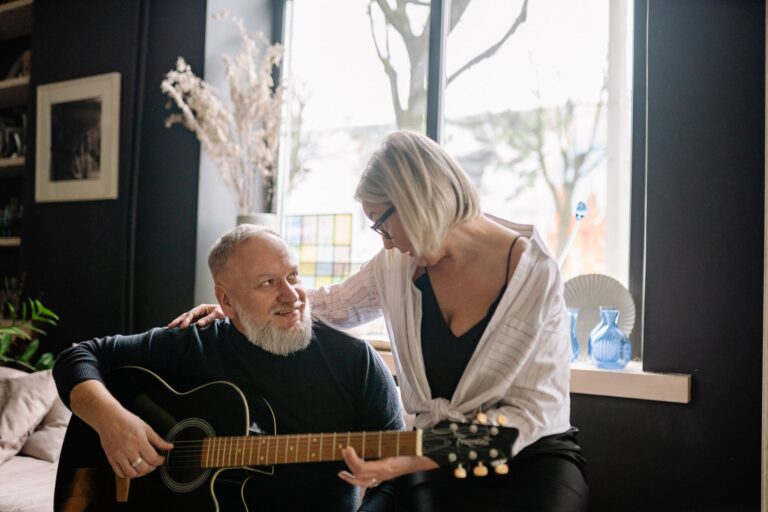
Positive engagement reached 69%, compared with 12.5% in silence and 25% with pre-recorded music. No ill-being was observed during music. Wellcome Open Research investigators found higher skin conductance, movement and observer-rated engagement during interactive groups than during listening alone. Response peaked with familiar music plus personal interaction and touch. Singing along, tapping in time and sustained attention often signal this state.
What distress looks like
On NHS dementia wards, distress incidents occurred on 7% of days with in-person music therapy and on 31% of days without it, according to Cambridgeshire and Peterborough NHS Foundation Trust research news Cambridgeshire and Peterborough NHS Foundation Trust research news. Sessions involved singing familiar songs and percussion. The gap shows music can reduce tense days but does not remove all distress.
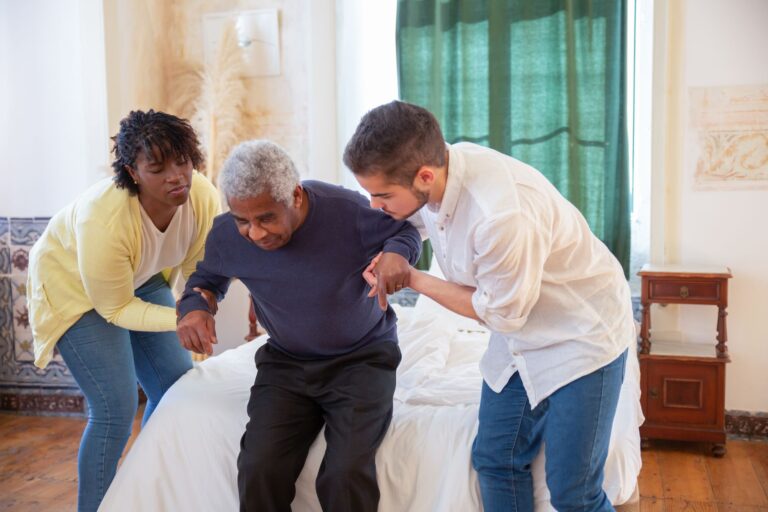
Brown University School of Public Health researchers note nearly half of nursing-home residents with moderate-to-severe Alzheimer's disease and related dementias show clinically significant verbal or physical agitation. Isolation, loneliness and pain often drive it. During a session, watch for rising agitation, anxious sounds, sharp verbal outbursts or physical restlessness.
- Louder voice, shouting, cursing or repeated protests
- Pushing away, hitting, grabbing or trying to leave
- Tense face, restless movement or sudden withdrawal from the song
How do you set up a calm session?
Alzheimer's Association guidance advises choosing familiar, enjoyable music the person prefers Alzheimer's Association art and music guidance. Match tempo to the goal, calm for rest and uplifting for activation. Keep volume moderate and remove competing sound.
Stay nearby, sing along and offer simple percussion when welcome. Keep interaction warm and brief. Pause or stop the song if agitation climbs.
- Choose familiar songs the person enjoys, often from ages 10 to 30
- Match tempo to calm or uplifting mood
- Play music without commercial interruptions
- Keep volume moderate
- Turn off TV and competing sounds to avoid confusion and overload
How long do benefits last?
International Journal of Geriatric Psychiatry investigators found agitation fell within 10 minutes in both music and control groups in a randomized feasibility trial. They found no significant music advantage over six weeks. Small sample size may explain the result.
Expect a good session to help for minutes to hours, not days. Use familiar music as one tool beside pain care, company and routine. Track which songs help and which unsettle.