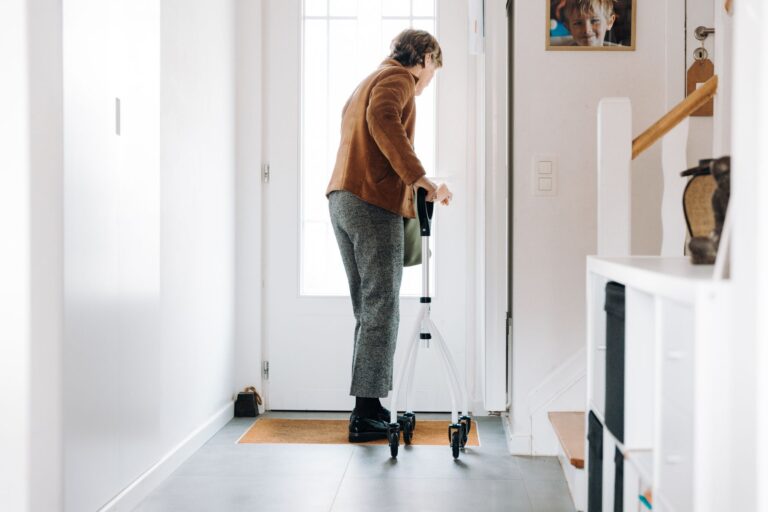
A one-on-one music session shows engagement through smiling, alertness, singing along, moving to the rhythm, and recognizing a familiar song, while distress shows up as agitation that returns once the music stops. Watching for both sets of signals is what separates a session that helps from one that is just playing in the background. Caregivers running these sessions at home or in a care setting are using personalized playlists built from a person's own musical history, not generic relaxation tracks. The difference matters because the response researchers measure — calm, attention, mood — comes specifically from music tied to that individual's past, not music in general.
Medical information disclaimer: This article is for general educational purposes only and does not provide medical advice, diagnosis, or treatment. Always consult a physician or other qualified health professional about symptoms, medications, tests, or treatment decisions.
Table of Contents
- What Counts as a Familiar Music Session
- Signs of Engagement to Watch For
- Signs of Distress and Why They Can Return After the Session Ends
- What the Research Shows About Medication and Behavior Over Time
- Practical Steps for Running a Session
- Frequently Asked Questions
What Counts as a Familiar Music Session
A familiar music session means playing songs tied to a specific person's life — music from their young adulthood, a wedding song, a hymn from childhood church services — rather than ambient or generic calming tracks. The Music & Memory program, started by social worker Dan Cohen in a New York nursing home in 2006, formalized this idea: staff and family members build personalized digital playlists, usually delivered through headphones, for one person to listen to one-on-one, as described by Brown University's coverage of the program.
The one-on-one format matters because it lets a caregiver watch a single person's reactions closely and adjust in real time — stopping a song that triggers distress or letting one that sparks singing play longer. This is different from group music therapy sessions, where an individual's reaction can get lost in the room. A realist review from Anglia Ruskin University found that music therapy tailored to a person's own history and preferences produced short-term drops in agitation and anxiety in people with advanced dementia, along with gains in attention, engagement, alertness, and mood — benefits the review ties specifically to personalization, not music exposure alone, according to Anglia Ruskin University's research summary.
Signs of Engagement to Watch For
A 2018 quasi-experimental study of 51 adults with dementia, who listened to individualized playlists through headphones, identified specific behaviors that signal a session is working. Caregivers observed increased smiling, alertness, relaxation, singing along, moving to the rhythm, and recognizing the music, according to a summary of the study from naturalhealthresearch.org. These signs give a caregiver something concrete to look for in the moment, rather than guessing whether a session is landing. A person who starts tapping a foot, mouthing lyrics, or opening their eyes wider is showing the music is reaching them.
Recognition — a flicker of naming a song or a person connected to it — is one of the clearest signs, since it indicates the piece connects to an actual memory rather than just sound. Timing also shapes how much engagement shows up. Music-based sessions tend to produce the strongest calm and attention gains when played during a stressful caregiving task, such as bathing, rather than as a standalone activity offered in isolation, based on synthesis of hospice and caregiver-led studies in the dementia agitation research literature. A caregiver who times a familiar playlist to start just before a difficult transition is more likely to see these engagement signs than one who plays music at a random point in the day.
Signs of Distress and Why They Can Return After the Session Ends
Agitation in this research means visible restlessness, hyperactivity, or signs of subjective distress — the behavior caregivers are trained to watch for and often score using a tool called the Agitated Behavior Scale, per the British Geriatrics Society's review of music-based interventions. A caregiver watching for distress should look for the inverse of the engagement signs: grimacing, resistance to the headphones, restless movement, or vocal distress rather than singing. The same 2018 study that documented engagement also found something caregivers should plan around: calmness and reduced agitation measured during the listening session did not necessarily persist once the music stopped.
Agitation and relaxation levels drifted back toward baseline in the period after the session ended, according to the naturalhealthresearch.org summary. This means a successful session is not a one-time fix — the calming effect is tied to the music actually playing, not a lasting change in mood. A separate Anglia Ruskin University trial run on inpatient mental health wards found a similarly mixed picture: quality-of-life scores rose slightly and distress severity fell, but agitation scores actually rose slightly in some patients, with no adverse events tied to the sessions themselves, per the same Anglia Ruskin research summary. This is a reminder that not every person responds the same way, and a caregiver should treat the first few sessions as a chance to observe rather than assume benefit.
What the Research Shows About Medication and Behavior Over Time
Beyond single sessions, consistent use of personalized music has been linked to changes in medication patterns. A 2024 randomized study of 261 nursing home residents with moderate-to-advanced dementia found that the group receiving personalized music saw average antipsychotic medication use decrease, while a no-music control group's medication use increased over the same period, reported in the Journal of Applied Gerontology. This lines up with earlier findings from Brown University's 2017 evaluation, which compared 98 nursing homes trained in the Music & Memory program in 2013 against similar untrained homes.
Residents at program homes were more likely to have antipsychotic and antianxiety drug use discontinued and showed fewer problem behaviors overall, according to Brown University's report. A 2025 Cochrane review, covering 30 studies and 1,720 people with dementia, offers a broader check on these findings: music-based therapeutic interventions may slightly improve depressive symptoms and overall behavioral problems, though effects on specific symptoms like agitation were less consistent from trial to trial, per the Cochrane review summary. This inconsistency is a useful caution: personalized music sessions are one supportive tool among several, not a guaranteed fix for agitation in every person.
Practical Steps for Running a Session
A one-on-one session works best when it is built around the individual rather than a generic playlist. Caregivers can use the following steps as a starting point: These steps reflect what the studies above measured directly: personalization drives the effect, timing shapes how strong it is, and the benefit is tied to the music being present in the moment.
- Build the playlist from the person's own history — songs from early adulthood, religious music from their upbringing, or a song tied to a specific memory like a wedding.
- Use headphones where possible, following the delivery method used in the Music & Memory program, to reduce background noise and keep the focus on one person.
- Time the session around a difficult moment, such as before bathing or another stressful task, rather than offering it only as idle entertainment.
- Watch for engagement signs in real time — smiling, singing along, moving to the rhythm, recognizing the song — and let those songs run longer.
- Watch for distress signs — resistance, grimacing, restless movement — and be ready to stop or switch tracks.
Frequently Asked Questions
Does the calming effect from a music session last after it ends?
Not reliably. A 2018 study found agitation and relaxation levels drifted back toward baseline once the listening session stopped, per the naturalhealthresearch.org summary.
Can music sessions affect medication use over time?
Yes. A 2024 randomized study found personalized-music residents saw antipsychotic use decrease while a no-music control group's use increased, reported in the Journal of Applied Gerontology.
Is agitation a guaranteed response to avoid during sessions?
No. A 2025 Cochrane review of 30 studies found effects on agitation specifically were less consistent across trials than effects on depressive symptoms and general behavior, per the Cochrane review.