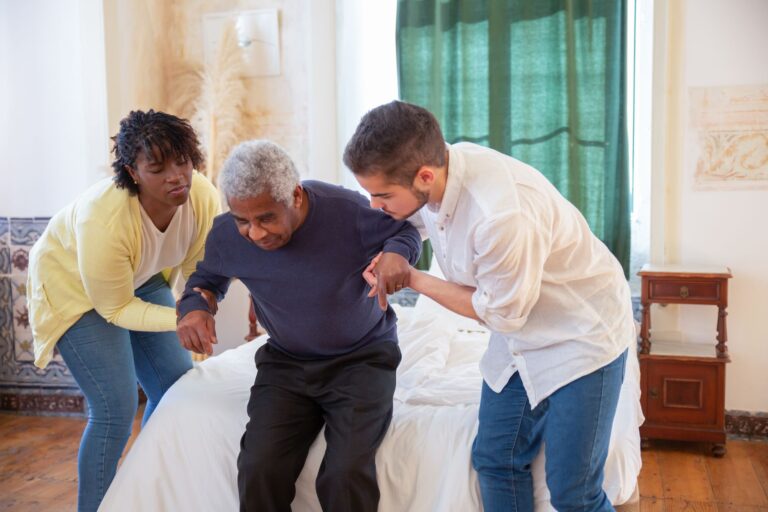
You can build regular walking into a realistic dementia-risk routine after mild cognitive impairment. Mild cognitive impairment means memory or thinking changes beyond normal aging that do not yet block daily life. Walking does not require a gym or intense training. Older adults with mild cognitive impairment or Alzheimer's who walked about 5 miles per week showed less brain-volume loss and over 50% less memory decline over 10 years than sedentary peers, according to the longitudinal MRI report described in MDedge's coverage of the volumetric-MRI study.
Medical information disclaimer: This article is for general educational purposes only and does not provide medical advice, diagnosis, or treatment. Always consult a physician or other qualified health professional about symptoms, medications, tests, or treatment decisions.
Table of Contents
- How much walking is linked to lower risk?
- What does a realistic weekly routine look like?
- How do you make walks stick with memory changes?
- What are the limits and when should you pause?
How much walking is linked to lower risk?
More steps were linked to lower dementia risk, but benefits rose fastest from a low base. In 78,430 UK adults ages 40-79, about 3,800 steps per day was linked to about 25% lower risk, while about 9,800 steps was linked to roughly 50% lower risk, according to the JAMA Neurology study report. That pattern matters for people with mild cognitive impairment.
A short daily walk can still count, and added steps were linked to added benefit up to an optimum. Dementia-free adults ages 70-90 who walked at least 1 mile per day preserved frontal-lobe volume and cut cognitive impairment risk by about half. For many readers, 1 mile means 20-30 minutes at an easy pace.
What does a realistic weekly routine look like?
Adults 65 and older should get at least 150 minutes per week of moderate activity such as brisk walking, plus muscle-strengthening and balance activities, according to the CDC older-adult activity guidance. Moderate means breathing faster while still able to talk. Split that goal into five 30-minute walks, or three 10-minute walks per day.
Add two short strength days, such as chair stands and wall push-ups, plus balance practice like heel-to-toe standing near a counter. A workable starter week is three walks of 15-20 minutes on flat, familiar routes. Add 5-10 minutes to one walk each week if energy, balance, and recovery stay good.
How do you make walks stick with memory changes?
Routine beats motivation when memory is less reliable. Walk at the same time daily, lay out shoes and a jacket the night before, and use a phone alarm or paper checklist. Safety and company help consistency.
Choose well-lit paths with benches, bring water and a phone, walk with a partner when possible, and carry identification with emergency contact information. Track steps, minutes, and missed days for two weeks. If mornings bring more alertness, schedule walks then; if fatigue follows lunch, move them earlier.
What are the limits and when should you pause?
Step-count studies are observational and do not prove walking prevents dementia. Walking supports heart health and brain blood flow, which studies link to lower decline risk, but it is one part of care. Inactive older adults and people with heart disease, diabetes, arthritis, balance problems, or new chest pain should check with a doctor before starting.
Stop and seek care for chest pressure, faintness, unusual shortness of breath, falls, or sudden confusion. Treat walking as support alongside sleep, blood-pressure control, hearing care, social activity, and prescribed treatment. Bring your walking log to medical visits so changes in stamina, balance, or memory get prompt review.
You Might Also Like
- Implementation-Ready Dementia Interventions in the 2026 NIA Report: Study Design and Evidence Limits for People With Mild Cognitive Impairment
- Why the AAIC 2026 Soccer Study Does Not Prove Dementia: Study Design and Evidence Limits for People With Mild Cognitive Impairment
- Repetitive Heading and Brain Health Findings at AAIC 2026: Study Design and Evidence Limits for People With Mild Cognitive Impairment