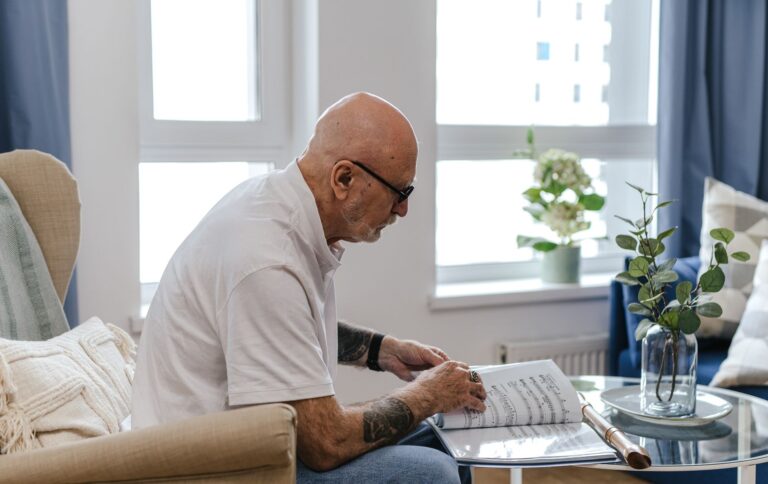
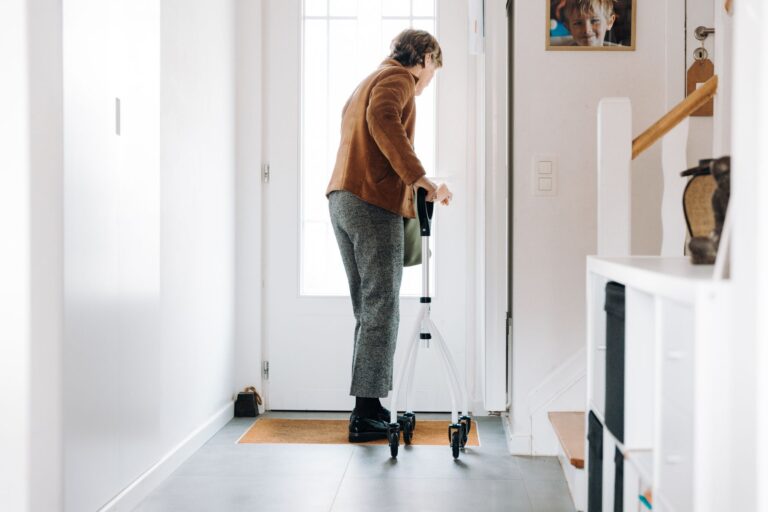
Adapt familiar music sessions for dementia home care by building short listening times around hits from the person's teen years, played on the device they already use. Choose a commercial-free source, match the songs to the mood you want, and keep the volume moderate. A familiar-music session means a planned time for listening, singing along, or gently moving to songs the person already knows. It works best as a steady home routine, not a new app or lesson.
Medical information disclaimer: This article is for general educational purposes only and does not provide medical advice, diagnosis, or treatment. Always consult a physician or other qualified health professional about symptoms, medications, tests, or treatment decisions.
Table of Contents
- Which songs should you start with?
- What can music realistically do?
- How do you run a calm session at home?
- How do you add movement without adding stress?
- How do you keep the habit going?
Which songs should you start with?
Start with popular songs from when the person was 13 to 19. Adults best recall music heard in those teen years regardless of birth year, according to the 2021 study in the Journal of Multidisciplinary Healthcare.
Ask what they liked then, and let them choose when possible. Family playlists, old CDs, or saved favorites can reveal the artists, styles, and memories that still prompt recognition.
What can music realistically do?
Music-based interventions probably reduce depressive symptoms and overall behavioral problems during treatment. They may also improve emotional well-being, quality of life, and anxiety in dementia, according to the 2025 Cochrane review of music-based interventions. The same Cochrane review found little or no effect on agitation or aggression or on cognition.
That limit matters when families hope for broad improvement across all symptoms. Short calming sessions still have support. In nursing-home residents with moderate-to-severe dementia, observed agitation scores averaged 4.4 when not listening versus 1.6 while listening to personalized music.
How do you run a calm session at home?
Use a commercial-free source to avoid confusion, match music to the desired mood, and keep volume moderate, following guidance from the Alzheimer's Association. Let the person choose when possible, and watch their face, voice, and body for comfort or distress.
A tested caregiver guide recommends relatively happy major-key songs with positive messages at 80-120 beats per minute for higher-risk individuals. Keep the routine simple and predictable:.
- Play one or two familiar songs at the same calm time of day.
- Sit nearby, make eye contact, sing or tap along.
- Stop the music if the person shows sadness, fear, agitation, or withdrawal.
How do you add movement without adding stress?
Try light rhythm with clapping, tapping, shakers, or small percussion instruments. A trial with institutionalized older adults with dementia found that percussion instruments plus familiar music reduced anxiety and supported well-being.
At home, keep the beat slow and optional. Hand the person one shaker, tap your own lap, and let them join, watch, or rest.
How do you keep the habit going?
Keep the familiar device and routine rather than forcing new apps. Caregivers and people with dementia sustain music habits by continuing familiar formats such as CDs, vinyl, or simple personalized playlists.
Store the player where the person already listens. Label one playlist, CD, or station as the daily choice, and use it before rest, after meals, or during quiet afternoon time. Replace a song that causes a negative response.