Reviewed by the Help Dementia Editorial Team — our editors review every article for accuracy against guidance from the National Institute on Aging, the Alzheimer’s Association, and peer-reviewed sources.
Eating more sits at the center of this dementia and brain health question.
Emerging research suggests that eating more blueberries may indeed reduce dementia risk, though the science is more nuanced than headlines often suggest. A landmark randomized controlled trial from the University of Cincinnati and findings from the long-term Nurses Health Study, which tracked over 16,000 participants aged 70 and older, both support a protective relationship between blueberry consumption and cognitive decline. The UC study specifically found that middle-aged adults with subjective cognitive decline who supplemented with blueberries showed measurable improvements in memory and cognitive performance tests within just 12 weeks, while the Nurses Health Study data suggested that regular blueberry intake could delay cognitive aging by up to 2.5 years.
However, it’s important to understand that most blueberry research doesn’t come from a single five-year trial—instead, our understanding comes from multiple studies of different designs and durations. The most rigorous clinical evidence comes from shorter, controlled interventions, while longer-term associations come from observational studies that tracked eating habits over years. Neither approach definitively proves that blueberries prevent dementia in everyone, but together they paint a picture of a food that appears genuinely protective for brain aging.
Table of Contents
- What Makes Blueberries Stand Out for Brain Health?
- Understanding Anthocyanins and Their Brain-Protective Effects
- What the Research Actually Demonstrates About Cognitive Benefits
- How Much Blueberry Intake Should You Aim For?
- Important Limitations and What Remains Unknown
- Other Brain-Protective Berries and Complementary Foods
- The Future of Blueberries in Dementia Prevention
- Conclusion
What Makes Blueberries Stand Out for Brain Health?
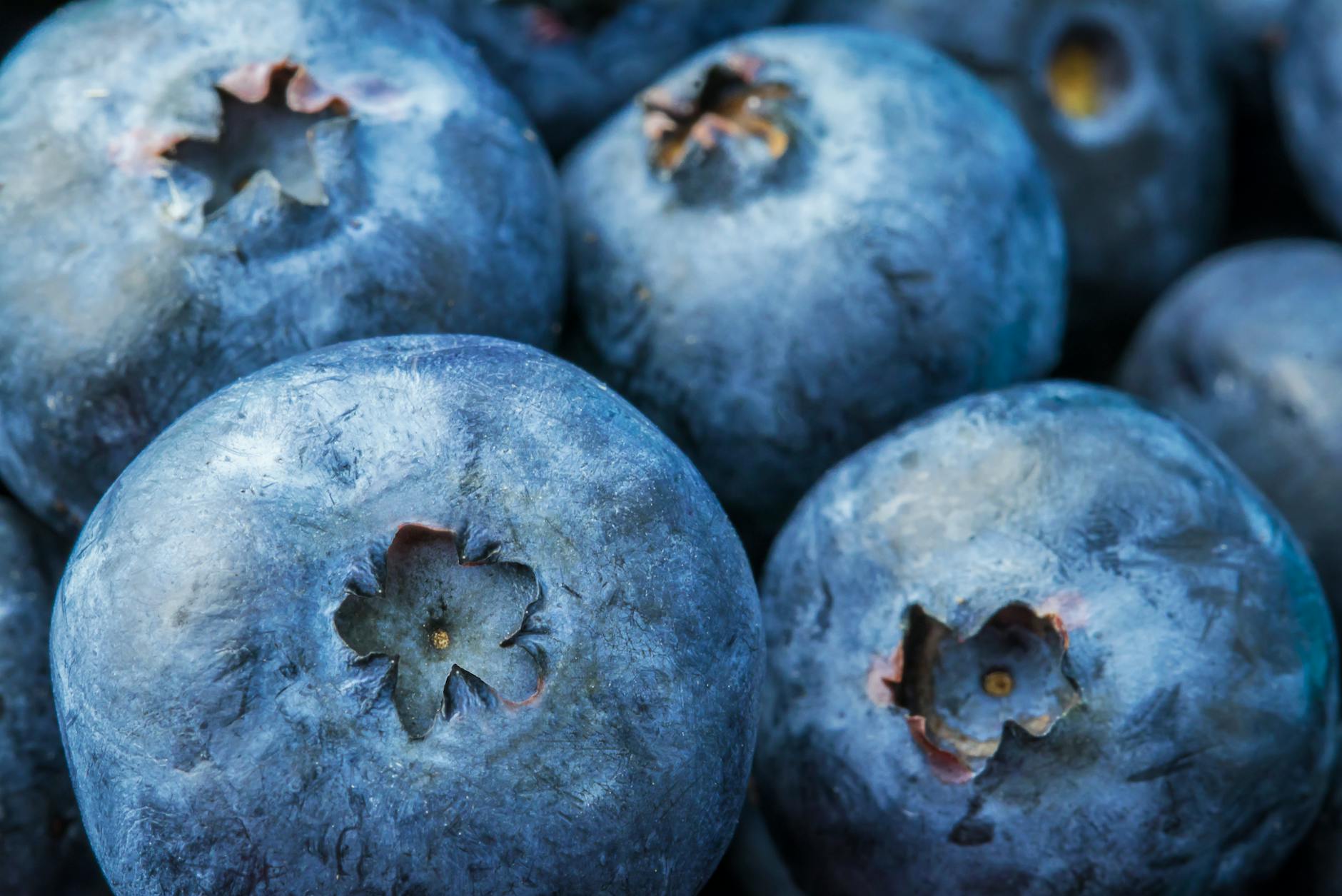
The secret to blueberries’ cognitive benefits lies primarily in their extraordinarily high content of anthocyanins, a class of antioxidants responsible for their deep purple and blue color. In the UC clinical trial, participants who consumed blueberry supplements showed anthocyanin levels in their blood that were approximately 100 times greater than baseline, and crucially, these elevated levels directly correlated with improvements in memory and processing speed. This isn’t coincidence—anthocyanins cross the blood-brain barrier and accumulate in brain tissue, where they can interact directly with the cellular machinery that supports cognition. The mechanisms are multiple.
Anthocyanins reduce oxidative stress, which damages brain cells over time. They modulate inflammatory responses in the brain, dampening the chronic inflammation now recognized as a key factor in cognitive decline. They may also enhance the brain’s ability to clear amyloid-beta, the toxic protein that accumulates in Alzheimer’s disease. In essence, blueberries appear to work like a combination lock hitting multiple pathways that go wrong in neurodegeneration. For comparison, most pharmaceutical approaches to dementia target a single mechanism, yet blueberries affect several simultaneously—which is why some researchers view them as a promising dietary intervention.
Understanding Anthocyanins and Their Brain-Protective Effects
Anthocyanins are more than just antioxidants; they function as signaling molecules that communicate with your cells and influence how your immune system responds to brain aging. In the UC blueberry intervention trial, the treated group also showed improved insulin sensitivity and correction of peripheral hyperinsulinemia—a metabolic condition linked to cognitive decline. This suggests blueberries might protect the brain partly by stabilizing blood sugar and metabolic health, not only through direct antioxidant action. A crucial limitation to recognize is bioavailability—the amount of anthocyanins you consume in blueberries doesn’t equal the amount reaching your brain.
Digestion, gut health, and individual variation all affect how much active compound actually makes it into your bloodstream. The UC trial used blueberry powder or standardized supplements, which may concentrate anthocyanins beyond what you’d get from fresh berries. Additionally, ongoing research at the University of Stavanger is investigating how blueberry anthocyanins affect your gut bacteria, which in turn influences brain function—a pathway not fully understood yet. If your gut microbiome is compromised, you may absorb fewer benefits from blueberries than someone with a healthy microbial community.
What the Research Actually Demonstrates About Cognitive Benefits
The Nurses Health Study, which followed 16,010 women aged 70 and older for over a decade, found that those with the highest blueberry intake experienced slower rates of cognitive decline. The effect size was meaningful: the data suggested that regular blueberry consumption could delay cognitive aging by up to 2.5 years. This finding is particularly striking because it comes from real-world eating patterns rather than controlled laboratory conditions. In contrast, the UC trial was more tightly controlled—middle-aged adults with subjective cognitive complaints and insulin resistance took blueberry supplements for 12 weeks and showed measurable improvements on specific memory tests like lexical access (retrieving the right words) and memory interference tests (filtering out irrelevant information).
What’s important to emphasize is that these studies show association and short-term benefit, not definitive prevention. The Nurses Health Study cannot prove that blueberries prevented dementia—only that people who ate more blueberries happened to experience slower decline. The UC trial was brief enough that we cannot extrapolate to what happens after years of blueberry consumption. No study has yet followed thousands of people for five years while randomly assigning them to eat blueberries or not, then measured dementia diagnosis rates. That level of evidence would be extraordinarily expensive and time-consuming to generate.

How Much Blueberry Intake Should You Aim For?
The UC study used standardized blueberry supplements equivalent to roughly one cup of fresh blueberries daily, administered for 12 weeks. The Nurses Health Study examined people who reported eating blueberries at least once per week and found protective benefits increased with frequency. This suggests a dose-response relationship: more blueberries appear associated with greater benefit, but benefits plateau somewhere—eating five cups daily won’t necessarily provide five times the benefit of one cup.
Fresh blueberries are seasonally available in most regions and cost roughly $4-6 per pound, while frozen blueberries (nutritionally equivalent but available year-round) run $3-4 per pound. A practical approach is incorporating one-half to one cup of blueberries into your daily diet—sprinkled on oatmeal, blended into smoothies, mixed into yogurt, or eaten fresh as a snack. If fresh berries aren’t accessible or affordable in your region, frozen blueberries retain their anthocyanin content after freezing and offer identical cognitive benefits at a lower cost and with zero waste. Blueberry supplements exist but vary widely in anthocyanin concentration, so if you pursue supplementation, look for products that specify anthocyanin content rather than generic “blueberry extract.”.
Important Limitations and What Remains Unknown
The single largest limitation of blueberry research is that most people in studies are already relatively health-conscious—they tend to exercise, eat vegetables, not smoke, and maintain social connections, all of which independently protect cognition. Would blueberries provide equal benefit to someone with a poor overall diet, sedentary lifestyle, or untreated sleep apnea? We don’t know. Studies also tend to focus on people without advanced dementia, meaning the benefit for someone already experiencing significant cognitive decline remains unclear. Additionally, genetic variation means blueberries may protect some people more effectively than others.
Variations in genes controlling anthocyanin metabolism and absorption could mean the person sitting next to you benefits more from the same blueberries. Ongoing research at the University of Stavanger addresses this by investigating how anthocyanins reshape gut bacterial composition—because your microbiome significantly influences which nutrients you absorb, and this varies enormously between individuals. Until results emerge from this research, you cannot know whether your personal gut health supports or limits blueberry benefits. Finally, there remains a possibility that the association between blueberry eating and preserved cognition reflects something else about blueberry eaters—perhaps they are more educated, have better access to healthcare, or maintain healthier lifestyles overall.

Other Brain-Protective Berries and Complementary Foods
Blueberries don’t stand alone in the fruit world’s brain-protective capabilities. The Nurses Health Study also found that apple consumption and tea drinking (black and green) were independently associated with slower cognitive decline, suggesting multiple dietary compounds support brain aging. Blackberries, strawberries, and raspberries contain anthocyanins as well, though typically at lower concentrations than blueberries.
A practical strategy is consuming a variety of berries rather than fixating exclusively on blueberries—eating strawberries in spring, raspberries in summer, and blueberries year-round provides nutritional diversity and keeps your diet interesting. Other foods rich in polyphenols—the broader class of compounds to which anthocyanins belong—include dark chocolate, red wine, green tea, and certain spices like turmeric. While blueberries have the strongest research support specifically for cognition, a dietary pattern emphasizing whole plant foods appears more protective than any single food in isolation. Someone eating blueberries but otherwise consuming processed foods and added sugars will see less benefit than someone eating blueberries within a broader Mediterranean-style diet emphasizing vegetables, whole grains, fish, and healthy fats.
The Future of Blueberries in Dementia Prevention
Current research directions include clarifying how long anthocyanin effects last (do benefits disappear if you stop eating blueberries?), whether supplements outperform fresh fruit, and how to optimize anthocyanin absorption for maximum cognitive benefit. The University of Stavanger’s ongoing work on gut microbiota represents a particularly promising frontier—if researchers can identify which gut bacteria optimize anthocyanin metabolism, it might eventually be possible to personalize recommendations based on your individual microbiome composition. Looking forward, blueberries are unlikely to be a standalone dementia prevention strategy for any individual.
Instead, they fit into an emerging picture of how dietary patterns protect or damage brain aging over decades. As dementia rates continue rising worldwide and pharmaceutical approaches remain limited, dietary interventions like blueberry consumption represent a low-risk, accessible strategy that most people can implement immediately. Even if blueberries reduce dementia risk by a modest amount rather than providing dramatic prevention, that benefit multiplied across millions of people over decades represents meaningful protection against one of the most devastating conditions of aging.
Conclusion
The evidence that blueberries may reduce dementia risk comes from solid science, particularly the University of Cincinnati’s controlled trial and the Nurses Health Study’s long-term population data. Anthocyanins—the pigments that make blueberries blue—appear to reach the brain and directly reduce oxidative stress, inflammation, and amyloid accumulation, while also improving metabolic health. The most practical takeaway is that regularly eating blueberries, whether fresh or frozen, appears associated with preserved cognitive function in aging, and this benefit is most pronounced when blueberries are part of an overall health-conscious lifestyle.
Start by incorporating one-half to one cup of blueberries into your daily diet in whatever form is accessible and sustainable for you. Combine this with other brain-protective practices: regular physical activity, cognitive engagement, adequate sleep, strong social connections, and a diet rich in vegetables, whole grains, and omega-3 fats. While waiting for longer-term clinical trials to solidify our understanding of blueberries’ role in dementia prevention, adding them to your diet is a zero-risk, low-cost intervention that current evidence genuinely supports.
You Might Also Like
- Eating More wild blueberries Cuts Dementia Risk According to 10 Year Study
- Eating More walnuts Cuts Dementia Risk According to 5 Year Study
- Eating More turmeric Cuts Dementia Risk According to 7 Year Study
For more, see Alzheimer’s Association — medical tests.