Reviewed by the Help Dementia Editorial Team — our editors review every article for accuracy against guidance from the National Institute on Aging, the Alzheimer’s Association, and peer-reviewed sources.
Eating more sits at the center of this dementia and brain health question.
Emerging research suggests that dark chocolate consumption may help reduce dementia risk, though the evidence is more nuanced than recent headlines suggest. A landmark 2024 study from Queen’s University Belfast analyzed dietary data from over 120,000 adults aged 40-70 and found that consuming six additional servings of flavonoid-rich foods daily was associated with a 28% lower risk of dementia—and dark chocolate ranked among the foods studied. While this represents significant progress in understanding how diet influences brain health, it’s important to recognize that dark chocolate was one factor among many, with berries, tea, and red wine showing particularly strong protective effects in this research.
The connection between chocolate and cognitive health isn’t entirely new. Researchers have observed for years that flavonoids—the powerful compounds found in dark chocolate and other plant-based foods—may protect brain cells from damage. A 4-year longitudinal study of 531 adults aged 65 and older found that chocolate consumption was associated with lower rates of cognitive decline, suggesting that even modest amounts of dark chocolate might contribute to brain longevity. The key, however, is understanding what “modest amounts” actually means and recognizing that dark chocolate works best as part of a broader pattern of healthy eating.
Table of Contents
- What Does the Research Actually Show About Dark Chocolate and Dementia Risk?
- How Do Flavonoids Protect the Brain, and What Are the Limitations?
- How Much Dark Chocolate Should You Actually Eat?
- Dark Chocolate Versus Other Flavonoid Sources—Which Is Most Effective?
- Important Warnings and Misconceptions About Chocolate and Brain Health
- How Dark Chocolate Fits Into a Comprehensive Brain-Healthy Diet
- What’s Next for Research on Chocolate and Brain Health?
- Conclusion
What Does the Research Actually Show About Dark Chocolate and Dementia Risk?
The 2024 Queen’s University Belfast study that captured recent attention analyzed UK Biobank data and measured dietary intake of flavonoid-rich foods. researchers found a clear dose-response relationship: the more flavonoid-rich foods people consumed, the lower their dementia risk appeared to be. Dark chocolate appeared in this study as one source of flavonoids, but it wasn’t singled out as uniquely protective. Instead, the research emphasized that the biggest reductions in dementia risk came when people increased their overall consumption of multiple flavonoid-rich foods simultaneously—a pattern that suggests the benefit comes from comprehensive dietary change rather than from dark chocolate alone.
The earlier research base on chocolate specifically is more limited. A prospective study published in the Journal of Nutrition, Health & Aging examined 531 Italian adults over approximately four years and found that chocolate consumption was associated with better cognitive performance and lower cognitive decline risk. However, this study had a smaller sample size and a shorter follow-up period than the recent Queen’s University research. Both studies point in the same direction—flavonoids appear to matter for brain health—but neither proves that dark chocolate alone is a dementia cure or even a primary prevention strategy.

How Do Flavonoids Protect the Brain, and What Are the Limitations?
Flavonoids are plant compounds that act as antioxidants and anti-inflammatory agents in the body. In the brain, they may protect neurons from oxidative stress, reduce inflammation, and support blood vessel health—all factors that contribute to cognitive decline and dementia risk. dark chocolate contains significant amounts of flavonoids, particularly a type called epicatechin, which laboratory studies have shown can cross the blood-brain barrier and directly influence neuronal function. The mechanism is plausible and supported by cellular research, which is why these findings generate genuine scientific interest.
However, important limitations exist that the general media coverage often overlooks. The Queen’s University study, while large and rigorous, was observational rather than experimental—meaning it tracked what people ate and whether they developed dementia, but couldn’t prove that the food caused the protection. People who eat more flavonoid-rich foods may differ in many other ways from those who don’t, including education level, healthcare access, exercise habits, and overall diet quality. Additionally, the study used dietary questionnaires rather than precise measurement of food intake, introducing potential for measurement error. The research shows association, not causation, which is an important distinction when considering diet as a dementia prevention strategy.
How Much Dark Chocolate Should You Actually Eat?
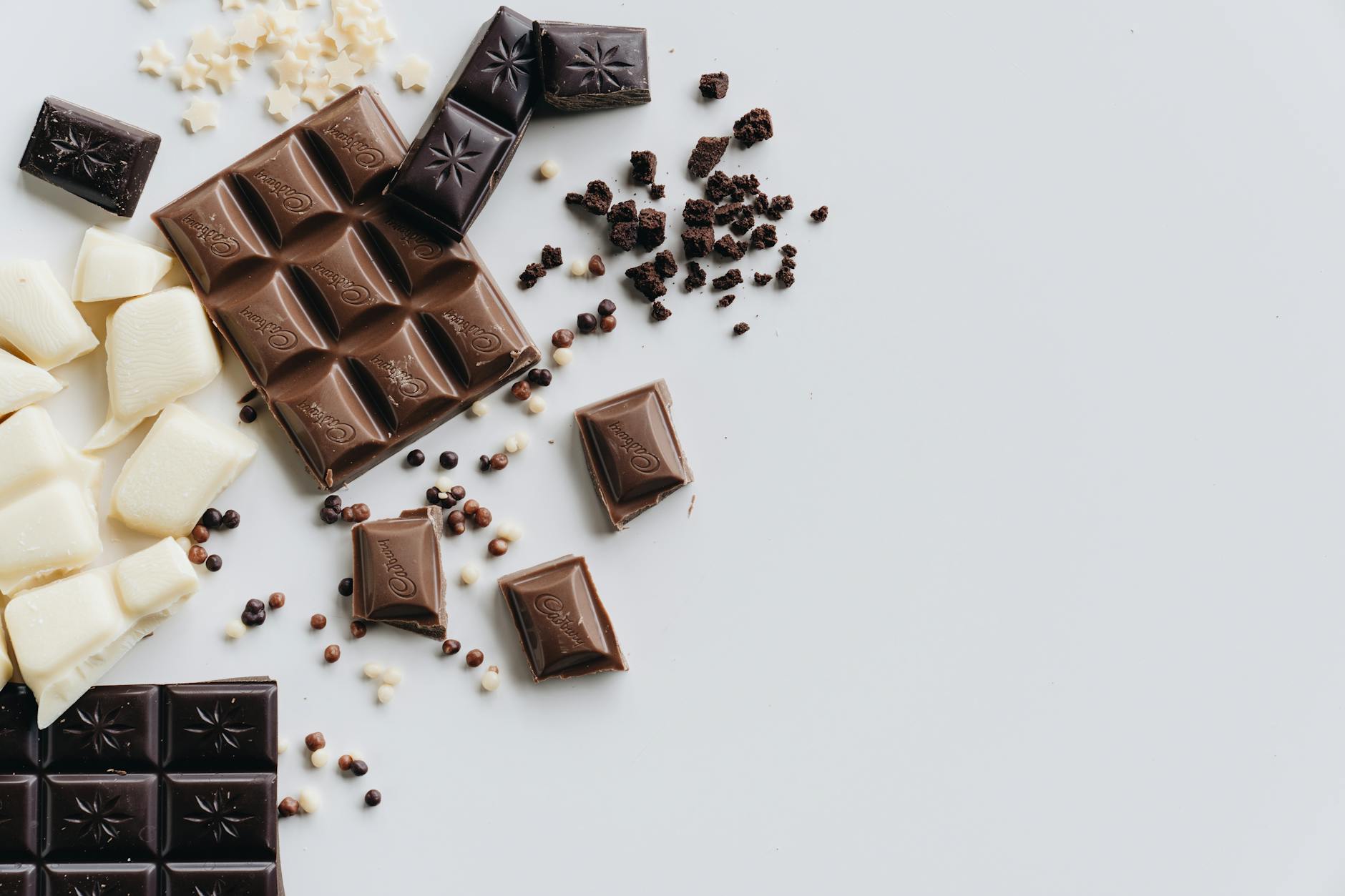
Based on available research, 10-14 grams (roughly 0.35-0.5 ounces) of dark chocolate daily has been associated with better cognitive performance in elderly populations. To put this in perspective, a standard chocolate bar typically weighs around 40-45 grams, meaning an optimal daily serving would be about one-quarter of a bar. Most nutritionists and researchers emphasize that dark chocolate should be specifically dark—at least 70% cocoa content—because the flavonoid concentration increases with cocoa percentage. A serving of 80% or 85% cocoa dark chocolate provides more of the active compounds with fewer calories and less added sugar than lower-cocoa varieties.
The caloric consideration matters significantly. Each gram of chocolate contains about 5-6 calories, meaning that a daily 12-gram serving contributes roughly 60-70 calories to your diet. Over time, this adds up. For people managing weight or dealing with metabolic conditions, these calories must be accounted for in their overall dietary intake. Rather than simply adding dark chocolate on top of current eating habits, health professionals recommend incorporating it as a small part of an intentional increase in flavonoid-rich foods—meaning you might eat dark chocolate instead of other snacks, or alongside berries, tea, and other flavonoid sources, rather than in addition to them.
Dark Chocolate Versus Other Flavonoid Sources—Which Is Most Effective?
The 2024 Queen’s University study provides valuable perspective here. While dark chocolate was included in the research, the strongest associations with reduced dementia risk came from specific foods: berries (blueberries and strawberries particularly), tea (especially black and green tea), and red wine. These foods deliver flavonoids with fewer calories, no added sugar, and in some cases additional beneficial compounds. A cup of blueberries, for example, contains about 85 calories and exceptional flavonoid density, whereas the equivalent amount of flavonoids from dark chocolate would come from multiple servings spread across several days.
This comparison suggests that if your primary goal is dementia prevention through flavonoids, berries and tea may offer better value than dark chocolate. However, dark chocolate has one practical advantage: palatability and habit formation. People more consistently eat foods they genuinely enjoy, and dark chocolate’s taste and texture make it easier for many people to maintain as a regular habit compared to drinking several cups of tea daily. The most effective approach likely combines multiple flavonoid sources—including dark chocolate as one element—rather than relying on any single food as a solution.
Important Warnings and Misconceptions About Chocolate and Brain Health
The biggest misconception is that dark chocolate is a dementia prevention strategy in itself. While the research is encouraging, it’s important to recognize that flavonoid consumption was just one factor in the Queen’s University study. The researchers themselves emphasized that maintaining a healthy weight, regular exercise, cognitive engagement, sleep quality, and management of cardiovascular risk factors (like blood pressure and cholesterol) remain central to dementia prevention. A person eating dark chocolate daily while neglecting sleep or remaining sedentary will not experience the protective benefit observed in the research.
A second warning involves milk chocolate and sugary chocolate products. The studied benefits apply specifically to dark chocolate with high cocoa content. Commercial milk chocolate products, chocolate spreads, and chocolate-flavored candies contain minimal flavonoids and significant added sugar. These products may actually increase dementia risk through their effects on weight, metabolic health, and inflammation—potentially offsetting any benefit from their trace cocoa content. Additionally, people with certain medical conditions, including diabetes or those taking specific medications, should consult their healthcare provider before significantly increasing cocoa consumption, as chocolate can interact with medications and affect blood sugar levels.

How Dark Chocolate Fits Into a Comprehensive Brain-Healthy Diet
The research on dark chocolate doesn’t exist in isolation. It’s part of growing evidence that dietary patterns matter profoundly for cognitive aging. The Mediterranean and DASH diets, both extensively studied for dementia prevention, incorporate flavonoid-rich foods as core elements. In these eating patterns, dark chocolate appears occasionally as a small indulgence, not as a centerpiece.
A practical example: following a Mediterranean diet might include a small piece of dark chocolate after dinner several times weekly, alongside regular consumption of berries, fish rich in omega-3 fats, vegetables, whole grains, and olive oil. For someone looking to optimize their dementia risk through diet, the focus should be on establishing these broader patterns rather than zeroing in on dark chocolate. Someone who eats dark chocolate daily but consumes processed foods, high-sodium meals, and few vegetables probably won’t experience meaningful cognitive benefit from the chocolate. Someone who follows a predominantly plant-based diet rich in vegetables, whole grains, berries, tea, and legumes—and includes small amounts of dark chocolate—is working with the evidence in a more comprehensive way.
What’s Next for Research on Chocolate and Brain Health?
The field is actively evolving. Researchers are beginning to study specific flavonoid compounds and their effects on different aspects of brain aging, rather than just looking at whether people eat chocolate. This could eventually allow for more targeted recommendations—for example, knowing whether epicatechin specifically prevents Alzheimer’s disease, or whether other flavonoids address different types of cognitive decline.
There’s also growing interest in understanding why some people seem to benefit more from dietary interventions than others, which may involve genetic factors or differences in how people’s bodies absorb and metabolize flavonoids. Future research will likely also clarify whether the cognitive benefits people experience are from flavonoids specifically or from the broader dietary patterns of people who regularly consume these foods. The 2024 Queen’s University study represents progress, but it’s a snapshot of current evidence, not a final answer. In the meantime, the most honest interpretation is that dark chocolate can be part of a brain-healthy diet, particularly when combined with other flavonoid sources and broader lifestyle measures, but it’s not a standalone solution or substitute for proven dementia prevention strategies like cardiovascular health, cognitive engagement, and quality sleep.
Conclusion
Dark chocolate does appear in recent research as one food associated with reduced dementia risk, primarily because of its flavonoid content. A 2024 study of over 120,000 adults found that higher flavonoid consumption—including from dark chocolate, berries, tea, and red wine—was associated with a 28% lower dementia risk. However, the evidence is more nuanced than headlines often suggest: dark chocolate was one contributor among many, and the research shows correlation rather than proving causation. For most people, incorporating small amounts of dark chocolate (10-14 grams daily of high-cocoa varieties) as part of a broader pattern of flavonoid-rich eating makes sense.
If you’re concerned about dementia risk, the most practical first steps involve addressing the fundamentals: maintaining a healthy weight, exercising regularly, staying cognitively engaged, managing cardiovascular health, and prioritizing sleep quality. Within that foundation, eating flavonoid-rich foods—including berries, tea, red wine, and dark chocolate—appears to offer additional protection. Dark chocolate can certainly be part of this approach, but only as a component of comprehensive brain-healthy living, not as a replacement for these more foundational practices. Speak with your healthcare provider about whether increasing dark chocolate consumption fits your individual health situation and dietary goals.
You Might Also Like
- Eating More wild blueberries Cuts Dementia Risk According to 10 Year Study
- Eating More walnuts Cuts Dementia Risk According to 5 Year Study
- Eating More sardines Cuts Dementia Risk According to 15 Year Study
For more, see Alzheimer’s Association — caregiving.