
Reviewed by the Help Dementia Editorial Team — our editors review every article for accuracy against guidance from the National Institute on Aging, the Alzheimer’s Association, and peer-reviewed sources.
Eating more sits at the center of this dementia and brain health question.
Recent media headlines claim that eating more walnuts cuts dementia risk based on a 5-year study, but the actual research tells a more nuanced story. The most comprehensive investigation into this topic—the Walnuts and Healthy Aging (WAHA) Study—was a 2-year randomized controlled trial involving approximately 640 older adults across California and Spain, published in The American Journal of Clinical Nutrition. Surprisingly, the study found that walnut supplementation showed no effect on cognition in healthy older adults overall, which differs significantly from popular headlines suggesting broad protection against cognitive decline.
That said, the research is not entirely discouraging. Post-hoc analysis revealed something important: people in high-risk subgroups—including current smokers and those with lower baseline cognitive scores—showed potential cognitive benefits from walnut consumption. Additionally, brain imaging evidence from fMRI studies suggests walnuts may delay cognitive decline specifically in these higher-risk populations rather than providing universal protection for everyone who eats them. For families navigating dementia prevention and brain health decisions, understanding this distinction between the headlines and the actual science is crucial.
Table of Contents
- What Does the Research Actually Show About Walnuts and Brain Health?
- The Brain Chemistry Behind Walnuts—Anti-inflammatory and Antioxidant Pathways
- Who Benefits Most From Walnut Consumption—Risk Factors That Matter
- How to Incorporate Walnuts into a Brain-Healthy Diet—Practical Approaches
- Limitations and Realistic Expectations—What the Research Doesn’t Show
- Other Brain-Protective Nutrients and Why Diversity Matters
- Looking Forward—Future Research Directions and What’s Next
- Conclusion
What Does the Research Actually Show About Walnuts and Brain Health?
The WAHA study remains the most rigorous examination of walnuts’ effects on cognition in aging populations. Researchers divided participants into two groups: some received approximately 15% of their daily calories from walnuts, while others followed their normal diet. After two years, standard cognitive tests showed no significant difference between the walnut group and the control group in the overall population. However, this doesn’t mean the study was negative—it revealed a more complex pattern of benefits that some people may experience and others may not. The reason some people seemed to benefit while others didn’t relates to individual risk factors.
Participants who smoked, even if they were trying to quit or had quit relatively recently, showed potential cognitive advantages from walnut consumption. Similarly, those who entered the study with lower baseline cognitive scores appeared more likely to experience measurable cognitive benefits. This suggests that walnuts may function somewhat like a safety net—most beneficial to those whose brains are already under stress from inflammation, oxidative damage, or other cognitive risk factors. The Barcelona cohort, which represents the Spanish portion of the WAHA study, provided particularly interesting findings. When researchers looked at unadjusted analyses in this group specifically, they observed significant cognitive differences between the walnut diet group and the control group. This regional variation in results highlights an important limitation: diet studies often produce different outcomes depending on the population studied, baseline health status, and even regional food culture that might affect how walnuts are incorporated into meals.

The Brain Chemistry Behind Walnuts—Anti-inflammatory and Antioxidant Pathways
Walnuts contain compounds that researchers believe actively protect aging brains. Most notably, they’re rich in omega-3 fatty acids and polyphenols—both recognized for their anti-inflammatory and antioxidant properties. These compounds matter because chronic inflammation and oxidative stress are two of the primary drivers of cognitive decline and neurodegeneration. When your brain is constantly exposed to inflammatory signals and free radical damage, neural connections deteriorate faster, and the buildup of harmful proteins associated with Alzheimer’s disease accelerates. The mechanism appears to work through multiple pathways simultaneously. The omega-3 fatty acids in walnuts, particularly alpha-linolenic acid (ALA), can cross the blood-brain barrier and integrate into cell membranes, potentially stabilizing neural structure.
The polyphenols work through different mechanisms, neutralizing free radicals and suppressing inflammatory pathways. For people whose brains are already dealing with higher oxidative stress—such as current smokers, those with metabolic syndrome, or individuals with early cognitive changes—these protective compounds may provide a meaningful advantage. However, a crucial limitation is that healthy brains without significant oxidative stress or inflammatory burden may see minimal benefit from additional walnut consumption, which helps explain why the overall study population showed no cognitive differences. Research using fMRI brain imaging has added another layer of understanding. These studies suggest that walnuts don’t protect everyone equally; instead, they appear to delay cognitive decline specifically in people at higher risk, potentially by supporting brain regions most vulnerable to age-related changes. This is an important distinction for dementia prevention planning.
Who Benefits Most From Walnut Consumption—Risk Factors That Matter
Understanding which populations showed potential benefits in the WAHA study helps clarify who should prioritize walnuts as part of a brain-health strategy. Current or recent smokers emerged as one key group. Smoking accelerates oxidative stress and inflammation throughout the body, including the brain, making smokers at significantly elevated risk for cognitive decline. For this group, the antioxidant and anti-inflammatory compounds in walnuts may provide a partial counterbalance to smoking-related damage. Someone who quit smoking two years ago but is still experiencing residual inflammation might see cognitive benefits from regular walnut consumption that a never-smoker would not experience. People who scored lower on cognitive tests at the study’s beginning—a sign of early cognitive changes or lower cognitive reserve—also showed potential advantages from walnut supplementation.
This makes intuitive sense: brains already showing signs of decline might respond more dramatically to interventions that slow deterioration. A 65-year-old with subjective cognitive complaints or minor memory changes who begins eating walnuts regularly might experience different outcomes than a 65-year-old with completely normal cognition. Age itself and baseline health status matter too. The WAHA study focused on older adults, and the cognitive benefits seen in subgroups were most apparent in this demographic. Younger people or those with excellent baseline health may need different interventions entirely. Additionally, metabolic factors like diabetes, high blood pressure, or obesity—which are themselves risk factors for cognitive decline—might make someone more likely to benefit from walnuts’ anti-inflammatory properties, though this wasn’t explicitly tested in the study.
How to Incorporate Walnuts into a Brain-Healthy Diet—Practical Approaches
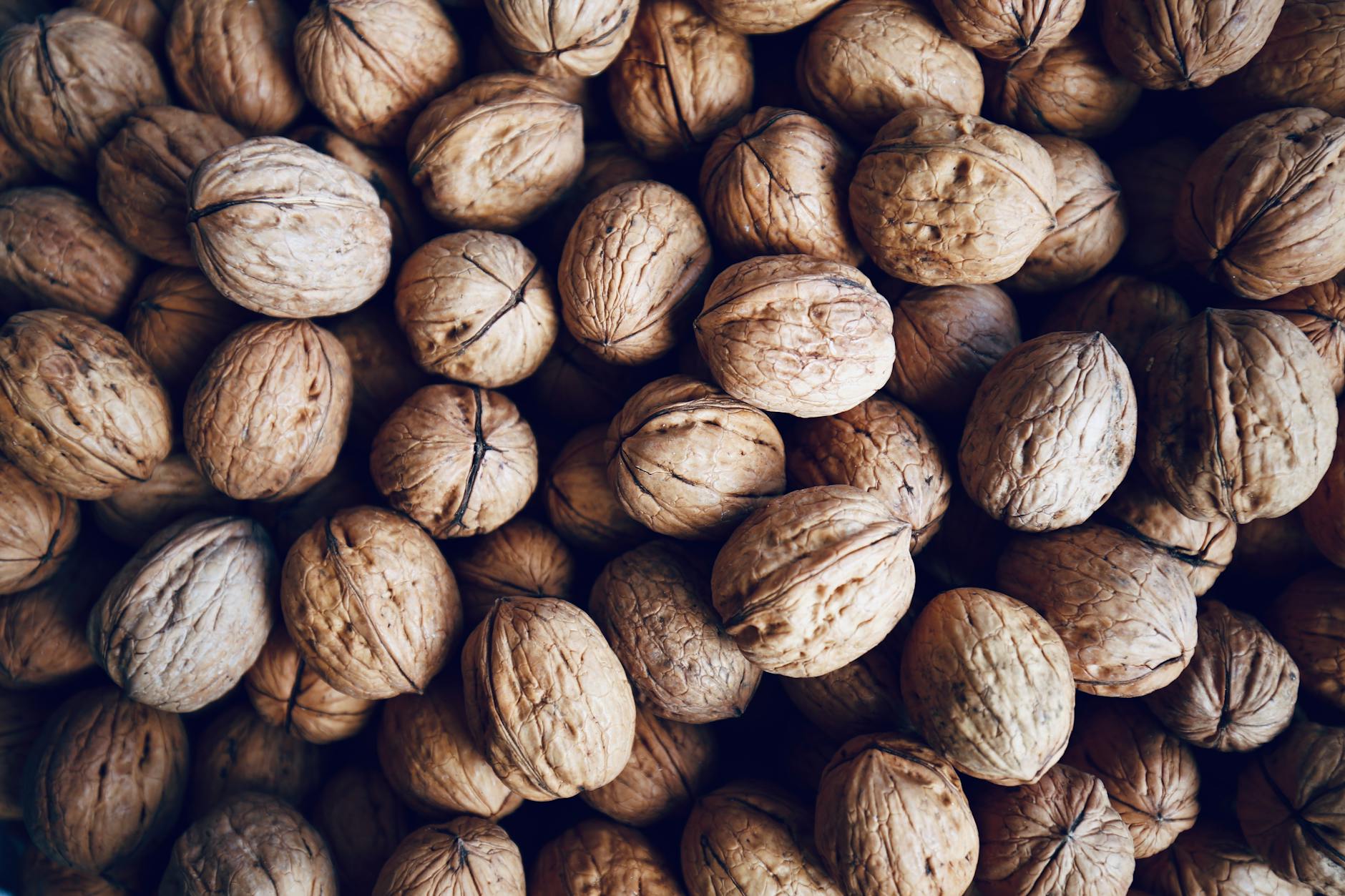
Given that the research shows promise in high-risk groups without showing harm in anyone, a reasonable approach for families concerned about dementia prevention is to include walnuts as part of a broader brain-healthy lifestyle. The WAHA study used approximately 15% of daily calories from walnuts, which translates to roughly 1.5 ounces or about 43 grams daily—roughly a small handful. This quantity is manageable to incorporate into most diets without excessive caloric load or disruption. Walnuts work well in several practical contexts. A quarter-cup in breakfast oatmeal or yogurt requires minimal preparation, a small handful as an afternoon snack is convenient, and walnuts can be added to salads, baked goods, or ground into nut butters.
One potential limitation is cost and palatability—some people genuinely dislike the taste or texture of walnuts, making compliance difficult. In these cases, other sources of omega-3 fatty acids and antioxidants like flaxseeds, chia seeds, or other nuts might provide similar benefits, though they haven’t been tested in studies of the same rigor as the WAHA walnut research. It’s important to view walnuts as one component of brain health rather than a standalone solution. The Mediterranean diet, DASH diet, and other eating patterns associated with better cognitive outcomes include walnuts but also emphasize vegetables, fish, whole grains, and limited processed foods. Someone following a poor overall diet but eating walnuts will likely see minimal cognitive benefit, whereas someone with generally healthy eating habits who adds walnuts might experience more meaningful protection.
Limitations and Realistic Expectations—What the Research Doesn’t Show
The WAHA study was well-designed, but several important limitations affect how we interpret its findings. First, the study lasted only 2 years—far shorter than the decades of cognitive decline that typically precede a dementia diagnosis. While the research measured actual cognitive performance using validated tests, it cannot definitively prove that walnut supplementation prevents dementia decades later in the way the popular headlines suggest. It shows promise for slowing short-term cognitive changes in high-risk groups, which is valuable but different from preventing dementia itself. Second, the study involved relatively healthy older adults who could participate in a research protocol.
People with existing diagnoses of mild cognitive impairment or dementia, those taking multiple medications, or those with severe chronic diseases were largely excluded. This means the research doesn’t tell us whether walnuts help people who already have cognitive problems or whether they work in the context of complex medical situations. A 70-year-old in good health might respond to walnuts differently than a 72-year-old with multiple comorbidities. Third, most benefits were identified through post-hoc analysis of subgroups—meaning the researchers looked at different population groups after the study ended rather than designing the study to test these groups specifically. Post-hoc analyses are useful for generating hypotheses, but they require replication in future studies before we can be confident about their reliability. The original study was not powered (statistically designed) to prove walnut benefits in smokers or those with lower baseline cognition; those findings emerged from exploratory analysis.

Other Brain-Protective Nutrients and Why Diversity Matters
While walnuts contain valuable compounds, brain health research increasingly suggests that diversity of protective nutrients matters more than any single food. The polyphenols in walnuts are found in different forms in berries, dark chocolate, and tea. The omega-3 fatty acids in walnuts exist in other nuts and seeds, as well as fatty fish.
Someone eating a diverse diet rich in various nuts, seeds, vegetables, and fruits will likely receive a broader spectrum of brain-protective compounds than someone who relies primarily on walnuts. Research on dietary patterns rather than individual foods consistently shows better cognitive outcomes with approaches like the Mediterranean diet and the MIND diet, which include walnuts as one among many components. These patterns emphasize leafy greens, other nuts, berries, fish, whole grains, olive oil, and legumes. A person who eats one serving of walnuts daily but drinks sugary beverages and skips vegetables will likely see minimal cognitive benefit compared to someone who eats walnuts as part of a comprehensive dietary approach.
Looking Forward—Future Research Directions and What’s Next
The WAHA study opened important questions that researchers are now pursuing in greater depth. Future investigations are focusing specifically on whether walnuts provide cognitive benefits in people with mild cognitive impairment or early-stage dementia—groups not well-represented in the current research.
They’re also examining whether the duration of walnut consumption matters; perhaps longer-term regular intake produces more substantial effects than a 2-year intervention. Researchers are also exploring whether certain populations beyond those identified in the WAHA study—such as people with specific genetic risk factors for Alzheimer’s disease or those with particular metabolic conditions—might benefit more from walnut supplementation. Additionally, studies are examining optimal dosing: does 1.5 ounces daily work better than smaller or larger amounts? And are some forms of walnuts (raw, roasted, as butter) more beneficial than others? These questions will refine our understanding and help identify who most needs this intervention as a practical dementia prevention strategy.
Conclusion
The popular headline suggesting that eating walnuts cuts dementia risk based on a 5-year study oversimplifies a more nuanced research reality. The actual evidence—from the 2-year WAHA study—shows no cognitive benefits for healthy older adults overall, but potential advantages for high-risk subgroups including smokers and those with lower baseline cognitive function. This distinction matters because it helps focus walnut consumption where evidence suggests it might help most rather than promoting it as a universal dementia preventive.
For families navigating brain health and dementia prevention, walnuts can reasonably be included as part of a broader healthy diet, particularly if you fall into a higher-risk group. However, they should be viewed as one tool among many—including regular cognitive engagement, physical exercise, cardiovascular health management, quality sleep, and diverse nutrient-rich eating patterns. If walnuts fit comfortably into your diet and food preferences, the research suggests they’re unlikely to cause harm and may provide subtle cognitive benefits. If you dislike them, numerous other foods offer comparable brain-protective compounds without requiring you to eat something unpleasant.
You Might Also Like
- Eating More wild blueberries Cuts Dementia Risk According to 10 Year Study
- Eating More leafy greens Cuts Dementia Risk According to 10 Year Study
- New Research Links time restricted eating to Better Brain Health After 60
For more, see CDC — Alzheimer’s and Dementia.





