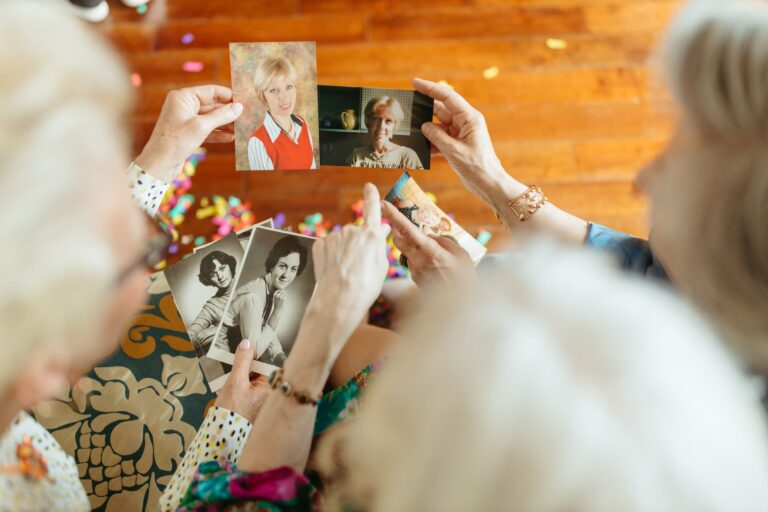
A ritual—a meaningful, repeating activity that both you and your loved one share—creates connection and reduces stress for both of you, even as dementia progresses. Shared activities between caregivers and people with dementia significantly reduce behavioral and psychological symptoms on days when activities occur together, according to the National Center for Biotechnology Information, while also buffering the impact of caregiver stress itself. Beyond the neurology, rituals work because they honor what remains: procedural memory (the ability to do learned movements and habits) and emotional response often stay intact long after conversation and recent memory fade.
Medical information disclaimer: This article is for general educational purposes only and does not provide medical advice, diagnosis, or treatment. Always consult a physician or other qualified health professional about symptoms, medications, tests, or treatment decisions.
Table of Contents
- What Routines Do for People with Dementia
- How Connection Survives Cognitive Loss
- Which Rituals Work Best
- Why Rituals Help Caregivers Too
- How to Start
- Frequently Asked Questions
What Routines Do for People with Dementia
Rituals act as anchors. Daily routines and rituals—including consistent meal times, grooming, and bedtime practices—reduce anxiety, improve security, decrease sundowning effects, and create predictable patterns that reduce cognitive load for people with dementia, according to Better Health Victoria.
When someone loses the ability to track time or initiate activities, a familiar rhythm removes the cognitive burden. This happens because procedural memory—the brain system underlying learned movements and habits—remains remarkably preserved in dementia, allowing individuals to retain abilities in music performance, dancing, pedaling, and other motor routines learned in earlier years, according to research in Practical Neurology. The brain's hardware for "how to do things" persists even when the software for "remembering facts" breaks down.
How Connection Survives Cognitive Loss
Words fade, but ritual doesn't require words. Non-verbal connection transcends cognitive loss through music, touch (hand-holding, gentle stroking), shared meals, and familiar objects; music in particular evokes emotion and memory that transcend verbal language barriers. You can sit together singing a song your loved one learned decades ago, and they will often sing along or respond emotionally, even if they cannot recall your name that morning.
People with dementia can learn and recall novel songs despite severe cognitive decline, with the ability to sing familiar melodies remaining intact even in advanced Alzheimer's Disease, according to Herald Open Access research. This isn't mystical—it's neurology. Music, touch, and shared presence activate different neural pathways than conversation does. A shared meal, a familiar song, a hand held during a walk—these rituals don't depend on memory but on presence.
Which Rituals Work Best
The most powerful rituals blend three elements: familiarity, activity, and meaning. Spiritual and religious rituals—including mealtime grace, prayers, holiday celebrations, and familiar hobbies—restore a sense of control, help people with dementia feel understood and valued, and connect them to sources of meaning and belonging, according to research on the Dementia Resource Center. These don't have to be formal or religious; they can be your father's nightly walk around the garden, your mother's morning cup of tea prepared together, or a weekly phone call sung instead of spoken.
Music therapy programs (such as choral groups for people with dementia and caregivers together) improve quality of life, communication, and self-esteem in both participants and family caregivers, according to NCBI research. But you don't need a formal program—a shared playlist, singing together in the kitchen, or listening to their favorite albums qualifies. Shared meals, hand-holding during television time, or gardening side-by-side work too.
Why Rituals Help Caregivers Too
Creating rituals together isn't just for your loved one. Shared positive emotion and empathic connection during caregiver-recipient interactions correlate with better mental health outcomes in caregivers, while lower emotional connection links to caregiver social isolation and health decline, according to NCBI research from 2023–2024. When you build a ritual together, you're creating moments of genuine connection—not task completion, not loss management, but presence together.
Family participation in shared activities and visits improves quality of life for people with dementia, particularly in social relationships and isolation reduction, benefiting both resident and caregiver well-being, according to NCBI research. The data are clear: rituals protect the caregiver's mental health as much as the care recipient's. They transform caregiving from a series of unpleasant tasks into a relationship with moments of joy.
How to Start
You don't need to reinvent the wheel. Begin with what already existed: a favorite meal your loved one always made, a song they sang, a hobby they loved, or a time of day they most enjoyed. Consistency matters more than complexity—doing the same thing at the same time every day or week creates the scaffold.
Start small: fifteen minutes of shared activity is enough. It could be listening to a record together, sitting with morning coffee, doing a simple puzzle, or taking a walk. The ritual succeeds if both of you show up. If it feels forced, pause and try something else; the ritual should feel like presence, not performance.
Frequently Asked Questions
Does the ritual have to be something new?
No. The most effective rituals build on what your loved one already knew and enjoyed—a favorite meal, a familiar song, or a lifelong hobby. Familiar activities work better than novel ones.
What if my loved one doesn't seem to remember or enjoy it at first?
Consistency builds recognition over time. Procedural memory and emotional responses can take a few repetitions to activate. If a ritual brings no joy after several genuine tries, try something else.
Can rituals work with someone in advanced dementia?
Yes. Non-verbal connection—music, touch, shared meals, presence—works even when spoken communication is nearly gone. The ritual itself (the familiar pattern and shared presence) can create calm and connection.
Does it matter what kind of activity?
Activities that use remaining abilities (music, movement, a familiar hobby) work better than those demanding memory or conversation alone. Combine sensory experience (music, scent, texture) with presence for the strongest effect.