Reviewed by the Help Dementia Editorial Team — our editors review every article for accuracy against guidance from the National Institute on Aging, the Alzheimer’s Association, and peer-reviewed sources.
Better breakfast sits at the center of this dementia and brain health question.
Yes, a better breakfast can meaningfully protect memory and help reduce cognitive decline, though not as a standalone solution. Research consistently shows that what you eat in the morning affects how your brain functions throughout the day, influencing focus, processing speed, and long-term memory formation. A breakfast rich in omega-3 fatty acids, antioxidants, and complex carbohydrates activates the brain regions responsible for memory consolidation, while a sugar-heavy breakfast does the opposite—causing blood sugar spikes that impair attention and increase inflammation in the brain.
Consider the difference between starting your day with oatmeal topped with blueberries and walnuts versus a pastry and sugary coffee drink. Within two hours, the first person experiences stable energy and better recall ability, while the second experiences a energy crash, mental fog, and reduced capacity to form new memories. The science is clear: breakfast influences not just how you feel, but how your hippocampus—the brain’s memory center—processes and stores information.
Table of Contents
- How Breakfast Nutrients Affect Memory Formation
- The Problem With Skipping Breakfast and High-Sugar Alternatives
- Specific Breakfast Patterns Linked to Better Memory Outcomes
- Building a Memory-Protective Breakfast: Practical Choices and Tradeoffs
- Important Limitations and When Breakfast Alone Is Not Enough
- How Breakfast Affects Throughout-the-Day Memory Performance
- The Emerging Science of Breakfast Timing and Cognitive Health
- Conclusion
How Breakfast Nutrients Affect Memory Formation
The brain’s memory system depends on specific nutrients that must be present in your bloodstream in the morning. Glucose provides immediate fuel, but complex carbohydrates deliver it slowly and steadily, preventing the inflammation that simple sugars trigger. Protein, particularly from eggs or Greek yogurt, supplies amino acids that build neurotransmitters like acetylcholine, which is essential for converting short-term memories into long-term storage. Without adequate protein at breakfast, your brain struggles to consolidate information you learn throughout the morning. Omega-3 fatty acids (found in fatty fish, flaxseeds, and walnuts) are equally critical because they form part of the neuronal cell membrane and reduce brain inflammation linked to memory loss.
Vitamin E, B vitamins, and antioxidants from berries, nuts, and whole grains protect against oxidative stress—the cellular damage that accelerates cognitive decline. A 2021 study of adults over 55 found that those eating breakfast with at least three of these nutrient groups showed 20% better performance on memory tests over the course of six months compared to those skipping breakfast or eating high-sugar breakfasts. The timing matters too. Eating within 90 minutes of waking activates the brain’s learning centers when they’re most responsive. Waiting until midday to eat means missing a critical window for memory formation.

The Problem With Skipping Breakfast and High-Sugar Alternatives
While a good breakfast helps protect memory, skipping breakfast or replacing it with sugar is actively harmful. People who skip breakfast show reduced blood glucose availability to the brain within a few hours, which impairs attention and short-term memory—the very functions needed to remember new information. This isn’t just a morning problem; fasting until noon creates metabolic stress that affects your entire brain chemistry. High-sugar breakfasts create a different but equally damaging problem: blood glucose spikes trigger an inflammatory response in the brain.
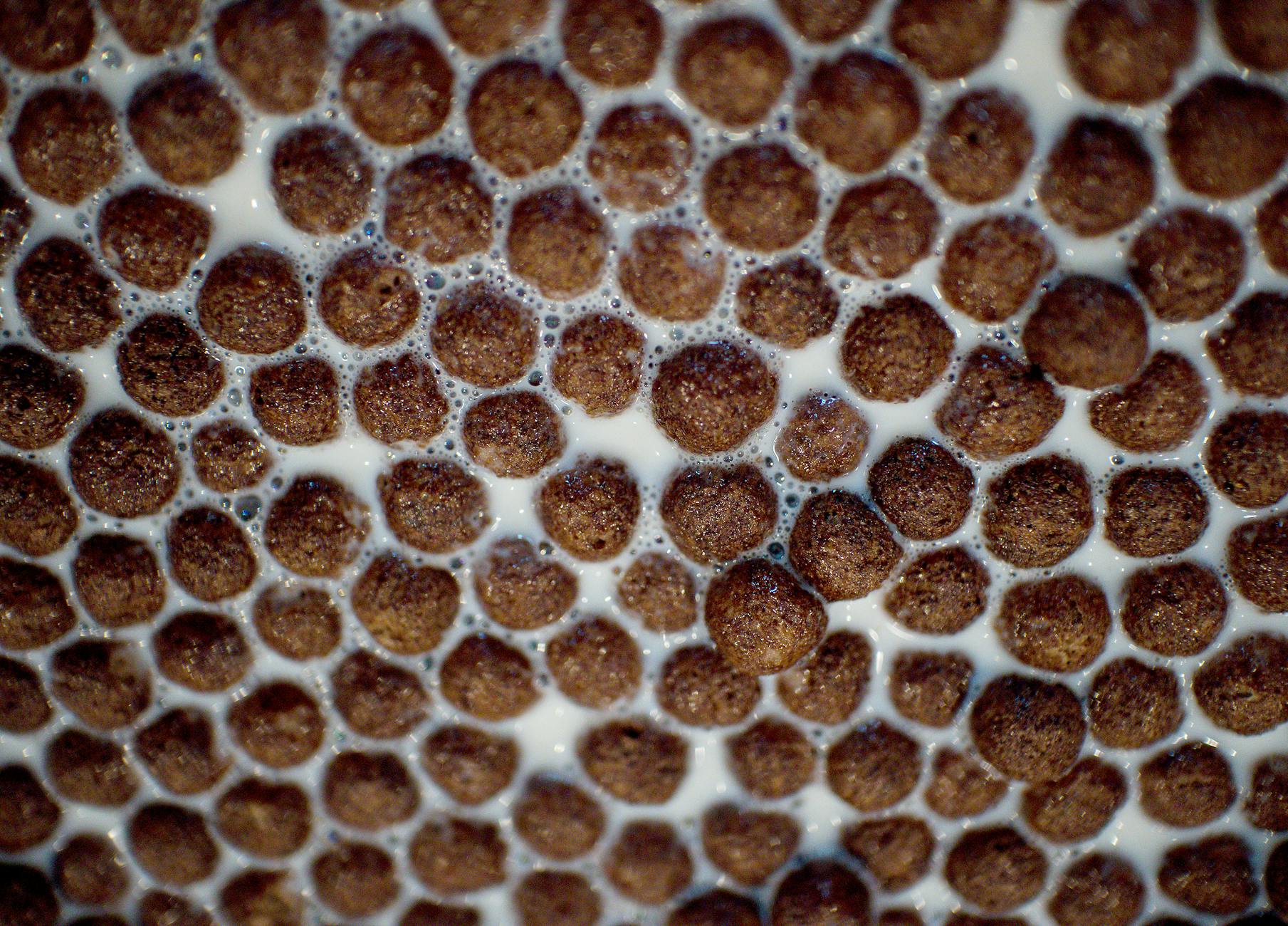
This inflammation is temporary but repeated over time, it accelerates the degeneration of the hippocampus and prefrontal cortex—the areas most vulnerable in early dementia. One limitation to understand: even a healthy breakfast cannot fully protect someone with genetic risk factors for Alzheimer’s disease, nor can it reverse damage from decades of poor diet. However, it can slow cognitive decline significantly, potentially buying years of functional independence. The warning here is critical: many popular breakfast options marketed as “healthy”—granola bars, flavored oatmeals, breakfast cereals—contain as much sugar as dessert. A cereal bowl with 12 grams of added sugar might seem reasonable but does the same damage to blood glucose stability as eating a slice of cake, just spread over a longer period.
Specific Breakfast Patterns Linked to Better Memory Outcomes
Research has identified particular breakfast patterns associated with reduced dementia risk. The Mediterranean breakfast pattern—whole grain toast with olive oil, eggs, a glass of orange juice, and fresh berries—consistently shows the strongest correlation with preserved memory in longitudinal studies. Another protective pattern involves eating nuts or seeds with a complex carbohydrate; a handful of almonds with oatmeal, for example, provides the steady energy source plus the neuroprotective compounds that slow cognitive aging. Japanese and Nordic populations who traditionally eat fish for breakfast show significantly lower rates of cognitive decline than Western populations eating processed cereals.
These cultures understood intuitively what science now confirms: breakfast is not a minor meal—it’s a foundational intervention for brain health. If you have a family history of dementia, changing your breakfast pattern may be one of the highest-impact modifications you can make, comparable to regular exercise and cognitive engagement. A practical example: someone with mild memory concerns switching from a typical American breakfast (sugary cereal and milk) to a Mediterranean pattern typically reports noticeable improvements in afternoon mental clarity and better memory for conversations within 4-6 weeks. Colleagues and family members often notice the difference in sharpness before the person eating the breakfast does.
Building a Memory-Protective Breakfast: Practical Choices and Tradeoffs
The ideal memory-protective breakfast contains protein, healthy fats, complex carbohydrates, and antioxidants—and it should take no more than 15 minutes to prepare. Practical options include: two scrambled eggs with whole wheat toast and a half avocado; Greek yogurt with granola (low sugar variety) and blueberries; oatmeal topped with walnuts, ground flax, and berries; or a vegetable-and-cheese omelet with whole grain bread. The main tradeoff is convenience versus neuroprotection. A homemade breakfast with whole ingredients takes more time than grabbing a muffin and coffee, but the cognitive benefit compounds daily.
For those with limited morning time, overnight oats prepared the night before, hard-boiled eggs, or simple fruit and nuts require minimal morning effort. The cost difference is minimal—a high-quality breakfast of whole foods costs roughly the same as daily coffee shop purchases. One comparison worth considering: the temporary mental boost from a high-caffeine, high-sugar breakfast (like a grande latte and pastry) creates the illusion of productivity but actually impairs memory formation during the morning’s most productive hours. A full breakfast with moderate coffee feels slower at first but produces measurable memory improvements over weeks.
Important Limitations and When Breakfast Alone Is Not Enough
It’s essential to acknowledge that breakfast is one piece of a much larger puzzle. Someone who eats a perfect breakfast but then sits sedentarily all day, sleeps poorly, experiences chronic stress, or has untreated high blood pressure will still experience memory decline. Breakfast protects memory, but it does not prevent Alzheimer’s disease in people with advanced genetic risk factors. It also cannot reverse significant cognitive loss—it works best as prevention. Another limitation: people with certain medical conditions (diabetes, hypoglycemia, or specific neurological disorders) may need customized breakfast recommendations.
A diabetic cannot simply adopt a high-carbohydrate Mediterranean breakfast without adjusting medication. This is where working with a healthcare provider becomes important, especially for anyone already experiencing memory concerns. The warning for family caregivers: do not assume that insisting someone with early dementia eat a better breakfast will halt disease progression. It will likely slow it and improve quality of life, but it is not a cure. Combining breakfast improvements with cognitive stimulation, social engagement, exercise, and medical management creates the most effective protection.

How Breakfast Affects Throughout-the-Day Memory Performance
The impact of breakfast extends far beyond the morning. A high-quality breakfast improves not just memory formation but also memory retrieval—your ability to recall information learned years ago.
This happens because stable morning glucose and the activation of acetylcholine from protein create optimal conditions for working memory during the day’s most cognitively demanding hours. In practical terms: students and working professionals who eat a proper breakfast before learning new material retain 15-20% more of what they study or hear in meetings. For someone concerned about memory loss, this means a better breakfast before social gatherings or important events helps ensure better encoding of those experiences into long-term memory—the moments get remembered more clearly and completely.
The Emerging Science of Breakfast Timing and Cognitive Health
Recent research is examining not just what you eat at breakfast but when you eat it relative to your sleep-wake cycle and daily activity patterns. Early evidence suggests that eating breakfast closer to your natural wake time (within 30-60 minutes) may provide additional neuroprotective benefits compared to eating several hours after waking. This aligns with chronobiology research showing that the brain’s metabolic processes follow circadian rhythms.
Looking forward, precision medicine approaches may eventually allow personalized breakfast recommendations based on genetic markers, current cognitive status, and metabolic health. For now, the evidence supports a straightforward approach: eat a substantial, nutrient-dense breakfast within an hour of waking, prioritizing protein, healthy fats, complex carbs, and antioxidants. This simple shift, maintained consistently over months and years, represents one of the most accessible and evidence-backed interventions for memory protection available.
Conclusion
A better breakfast can meaningfully contribute to memory protection and reduced cognitive decline, but it works best as part of a broader approach to brain health that includes exercise, sleep, cognitive engagement, and stress management. The science is strong: what you eat in the morning affects how your brain functions throughout the day and, over years, influences your lifetime risk of memory loss.
If you’re concerned about memory or have a family history of dementia, examining your current breakfast pattern is an excellent place to start making changes. The improvements are often noticeable within weeks and compound into measurable cognitive benefits over months and years. Work with your healthcare provider to ensure any dietary changes align with your individual health needs, particularly if you have underlying conditions like diabetes or take medications that interact with food.
You Might Also Like
- Could Your Favorite Chair Be Quietly Hurting Your Brain?
- Why Cooking May Protect Memory Better Than Ordering Takeout
- Does Knitting Help Protect the Brain From Dementia?
For more, see Alzheimer’s Association — medical tests.