Reviewed by the Help Dementia Editorial Team — our editors review every article for accuracy against guidance from the National Institute on Aging, the Alzheimer’s Association, and peer-reviewed sources.
Brain health sits at the center of this dementia and brain health question.
Brain health experts are increasingly focused on breakfast because it serves as the metabolic reset button your brain needs after an overnight fast. When you skip breakfast or eat late in the day, you’re denying your brain the fuel it requires to jumpstart neurotransmitter production, stabilize blood sugar, and sustain the attention that defines your mental clarity throughout the morning. Consider what happens at the cellular level: after 8 to 12 hours without food, your brain is literally waiting for glucose and amino acids to resume normal function.
This isn’t just about feeling alert—research now links breakfast timing directly to cognitive performance, particularly as we age. The scientific consensus has shifted noticeably in recent years. Neurologists and neurosurgeons who specialize in memory and cognitive decline are now recommending protein-rich breakfast as foundational brain health protection, not a luxury habit. A 2025 systematic review found that eating about one egg per day may improve memory, verbal fluency, and processing speed—measurable gains in the exact cognitive domains that matter most to people concerned about dementia and age-related decline.
Table of Contents
- What Does Breakfast Actually Do for Your Brain?
- The Protein and Fiber Foundation
- What the Recent Research on Fasting Actually Shows
- Building a Brain-Smart Breakfast
- When Breakfast Timing Becomes Critical
- Eggs as a Brain-Specific Food
- Brain Health as a Cumulative Practice
- Conclusion
What Does Breakfast Actually Do for Your Brain?
After an overnight fast, your brain has depleted its glycogen stores and is primed for refueling. When you eat breakfast, you’re providing the glucose your brain uses for energy and the amino acids needed to synthesize neurotransmitters like dopamine and serotonin. This isn’t a minor advantage—your brain consumes roughly 20% of your body’s energy despite being only 2% of your body weight, making breakfast a proportionally larger investment in your mental capacity. The research on skipping breakfast shows measurable consequences.
New studies link breakfast skipping to lower cognitive scores, increased risk of neurodegeneration, and accelerated cognitive decline in older adults. One study found that people who eat breakfast later in the day—skipping the morning meal or eating it at noon—have higher rates of depression, fatigue, sleep problems, and an increased risk of death. The timing matters almost as much as the meal itself. Your brain’s ability to focus, retain information, and process complex ideas depends on stable blood sugar in the hours after you wake.
The Protein and Fiber Foundation
Neurologists specifically recommend protein at breakfast for mental clarity and sustained cognitive function. Protein provides amino acids that your brain uses immediately to maintain attention and mood, and it also creates a buffer against blood sugar crashes that impair thinking. Adding a whole egg to your breakfast covers both bases: eggs are rich in choline, a nutrient linked to brain development and memory, and they contain lutein and zeaxanthin, compounds that support eye health and may reduce dementia risk. Fiber from complex carbohydrates is equally important, though often overlooked.
Fiber keeps blood sugar steady, preventing the energy spikes and crashes that leave you mentally foggy by mid-morning. Whole grains, oatmeal, or whole-grain toast paired with protein creates what neuroscientists call “sustained energy release”—your brain gets steady fuel for hours rather than a brief glucose spike followed by a crash. The limitation here is that not all breakfast foods are created equal. A sugar-heavy cereal or pastry with little fiber or protein will give you the opposite effect: a brief mental boost followed by cognitive decline as your blood sugar plummets.
What the Recent Research on Fasting Actually Shows
A 2025 study from the American Psychological Association found that short-term fasting or skipping breakfast is unlikely to impair thinking ability in the short term for healthy younger adults. This nuance is important to understand, because it doesn’t contradict the broader research showing that breakfast skipping increases dementia risk over years or decades. The distinction matters: acute fasting (one meal skipped) doesn’t immediately damage cognition, but chronic breakfast skipping or late breakfast timing correlates with long-term neurodegeneration, particularly in people over 50 or those with genetic risk factors for cognitive decline.
This is where the conversation becomes practical rather than theoretical. If you’re 35 and generally healthy, occasionally skipping breakfast won’t derail your thinking. But if you’re managing dementia risk, have a family history of cognitive decline, or are over 60, the research suggests that breakfast consistency and timing become more consequential. Your brain’s ability to adapt to metabolic stress declines with age, making it less forgiving of skipped meals.

Building a Brain-Smart Breakfast
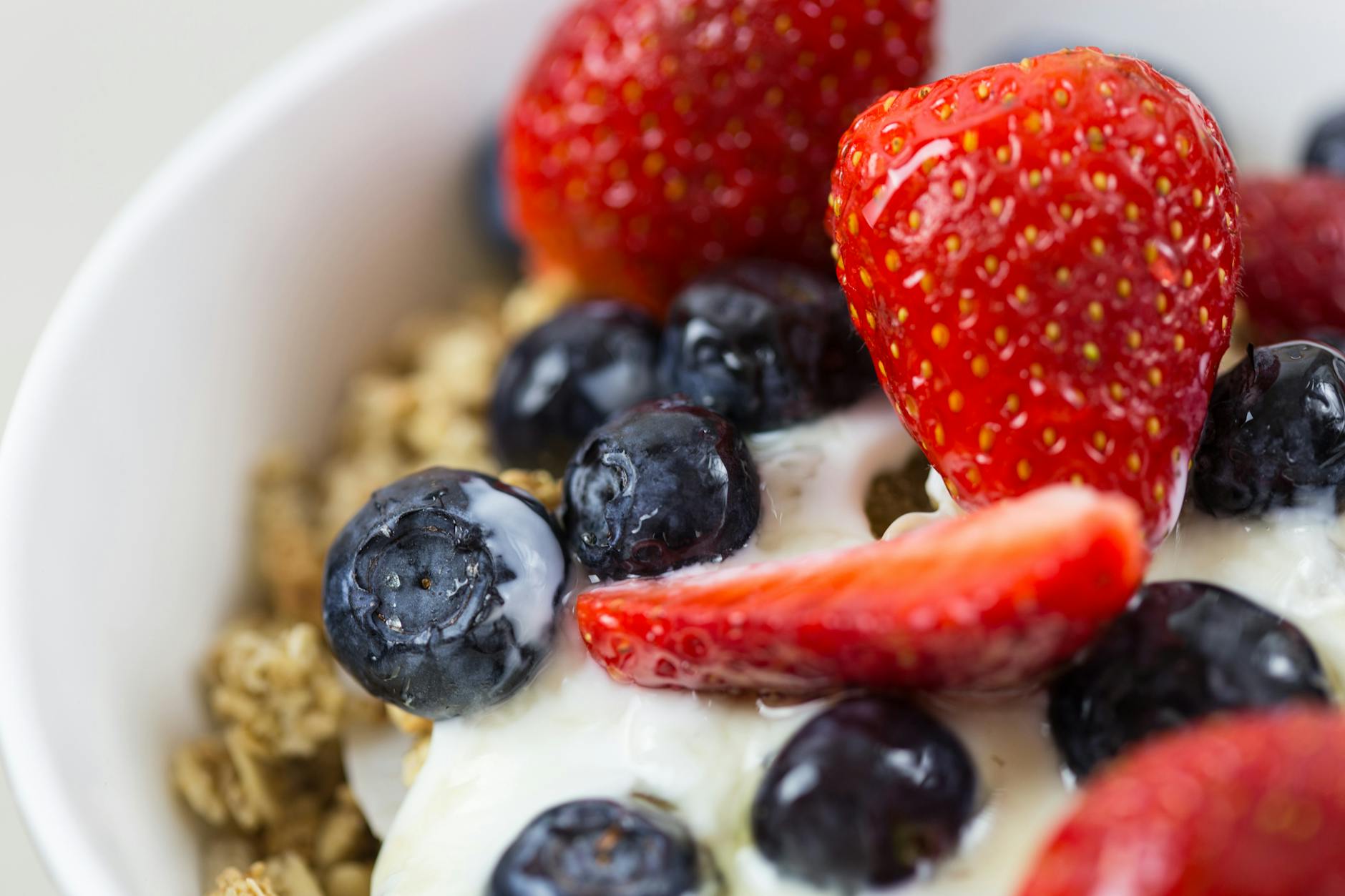
A practical brain-supporting breakfast combines three elements: protein, fiber, and a source of healthy fat. Consider a real-world example: two eggs (protein, choline, lutein) with whole-grain toast (fiber, B vitamins) and avocado or olive oil (healthy fat, brain cell structure support) is a breakfast that hits all three categories and costs less than most coffee shop meals. This combination provides sustained energy for 4-6 hours, stabilizes blood sugar, and supplies the specific nutrients neuroscientists say matter most for memory and processing speed. The tradeoff many people face is time.
A nutrient-dense breakfast takes 10-15 minutes to prepare, while a quick pastry takes 2 minutes. For brain health, the science clearly favors the investment. If time is your constraint, prepare breakfast components the night before—hard-boil eggs, toast bread, portion out nuts or Greek yogurt. The difference between a five-minute brain-supporting breakfast and a rushed sugar-heavy one compounds across years and decades of cognitive function.
When Breakfast Timing Becomes Critical
The timing of your breakfast is nearly as important as what you eat. Eating breakfast within two hours of waking—ideally within an hour—aligns with your brain’s natural circadian rhythm and primes your cognitive systems for the day ahead. Eating breakfast at 10 a.m. or later produces significantly different metabolic and cognitive effects than eating at 7 a.m., with research linking late breakfast to mood and sleep disorders.
This timing effect appears to stem from how your brain’s circadian rhythm coordinates energy metabolism, alertness, and mood regulation. One limitation of the current research is that most studies on breakfast timing involve relatively small sample sizes, and individual variation is high. Some people may be more sensitive to breakfast timing than others, depending on genetics, sleep schedule, and circadian type. However, the evidence is consistent enough that neurologists recommend treating breakfast timing as part of brain health maintenance, not as optional flexibility.

Eggs as a Brain-Specific Food
Eggs deserve specific attention in the breakfast discussion because research has elevated them from “just protein” to a food with unique cognitive benefits. A 2025 systematic review found that eating about one egg per day correlates with improvements in memory, verbal fluency, and processing speed. Eggs contain choline, which your brain uses to synthesize acetylcholine—a neurotransmitter essential for memory formation and learning. They also contain lutein and zeaxanthin, compounds found in high concentrations in the brains of people with excellent cognitive function as they age.
The practical advantage of eggs is that they’re affordable, shelf-stable, and versatile. A scrambled egg takes two minutes to cook. Hard-boiling a dozen eggs on Sunday gives you a week of quick protein. For people concerned about dementia prevention or managing cognitive decline, eggs represent one of the most evidence-backed, accessible, and economical brain-supporting foods available.
Brain Health as a Cumulative Practice
Breakfast is not a cure for cognitive decline or dementia prevention on its own. Rather, it’s a foundational practice that compounds with sleep quality, exercise, cognitive engagement, and social connection to protect brain health over decades. The reason neurologists are now emphasizing breakfast more visibly is not because new research contradicts old findings, but because the connections between metabolic health, blood sugar stability, and cognitive decline have become increasingly clear.
Your breakfast today influences your brain’s capacity for memory, focus, and mental endurance not just this morning, but across your lifespan. Looking forward, research on brain health and breakfast will likely continue to refine our understanding of timing, macronutrient ratios, and individual genetic variation. For now, the evidence supports a straightforward practice: eat breakfast within an hour of waking, include protein and fiber, and prioritize whole foods over processed options. This is a practice within reach for most people and one that carries measurable cognitive benefits over time.
Conclusion
Brain health experts are paying attention to breakfast because the overnight fast leaves your brain metabolically depleted, and the meal that breaks that fast sets the tone for cognitive function throughout the day. The research consistently links breakfast skipping to lower cognitive scores, increased neurodegeneration risk, and mood and sleep disorders, while breakfast consumption—particularly with protein and fiber—supports memory, processing speed, and sustained attention.
Eggs are among the most evidence-backed brain foods you can eat, offering choline, lutein, and protein in a simple, affordable package. Your breakfast is an investment in your brain’s performance today and its resilience tomorrow. The science now supports treating it not as an optional meal you fit in when convenient, but as a fundamental brain health practice, especially as you age or if you have family history of cognitive decline.
You Might Also Like
- What Home Cooking May Reveal About Brain Health and Aging
- Could a Common Breakfast Food Support Long-Term Brain Health?
- Can Breakfast Choices Affect Brain Health?
For more, see NIH MedlinePlus — dementia.