Reviewed by the Help Dementia Editorial Team — our editors review every article for accuracy against guidance from the National Institute on Aging, the Alzheimer’s Association, and peer-reviewed sources.
When researchers followed nearly 11,000 Japanese adults over six years, they discovered something remarkable: people who cooked at home at least once a week had a 23 to 27 percent lower risk of developing dementia. For those with limited cooking skills, the protection was even more dramatic—a 67 percent reduction in dementia risk. This isn’t because cooking magically changes your brain chemistry, but because the act of preparing food from scratch engages multiple cognitive systems simultaneously.
When you plan a meal, sequence ingredients, pay attention to timing, make decisions about flavors and techniques, and follow through from start to finish, you’re essentially giving your brain a focused workout that takeout simply cannot provide. The contrast between home cooking and ordering takeout goes beyond just habit or preference—it reflects two fundamentally different impacts on your brain health. While cooking activates and strengthens multiple memory and executive function pathways, the ultra-processed foods commonly found in takeout orders actively work against cognitive protection. Each meal choice becomes a small decision about whether you’re nourishing your brain or exposing it to compounds linked to faster cognitive decline.
Table of Contents
- What Does Research Show About Cooking and Dementia Prevention?
- Why Cooking Protects Memory Through Multiple Cognitive Functions
- How Takeout Foods Accelerate Cognitive Decline
- Building a Brain-Protective Cooking Routine for Dementia Prevention
- Does Reduced Cooking Cause Dementia, or Signal It?
- Choosing Brain-Protective Ingredients When You Cook
- Cooking as Lifestyle Medicine for Long-Term Brain Health
- Conclusion
What Does Research Show About Cooking and Dementia Prevention?
The Japanese study that tracked over 11,000 people aged 65 and older provides one of the clearest windows we have into the relationship between cooking frequency and dementia risk. What made this research particularly compelling was its length—six years of follow-up allowed researchers to see real patterns emerge rather than just snapshot associations. The consistency of the finding across different age groups and demographics suggests this isn’t an anomaly but a genuine protective pattern. The 67 percent reduction observed specifically in people with limited cooking skills is especially telling.
It suggests that the cognitive challenge itself matters—the brain benefits from being pushed slightly outside its comfort zone. Someone who initially finds cooking difficult gets more cognitive engagement from it than someone who cooks effortlessly on autopilot. This parallels what we know about cognitive reserve more broadly: activities that require some conscious effort tend to be more protective than activities we perform mindlessly. It also means that age or initial ability shouldn’t be a barrier to starting a cooking routine. In fact, being a novice cook may offer greater protective benefits.

Why Cooking Protects Memory Through Multiple Cognitive Functions
Cooking engages your brain in ways that are remarkably difficult to replicate through other everyday activities. When you prepare a meal, you’re simultaneously planning (what sequence of steps gets food on the table by dinner time?), paying attention (is that garlic starting to burn?), making decisions (is this seasoning enough?), accessing memory (where is that recipe you made last month?), and following through on multi-step instructions. Cleveland Clinic researchers have specifically identified these cognitive domains as the ones activated during cooking: planning, sequencing, attention, memory, decision-making, and follow-through. It’s a coordinated cognitive symphony that keeps multiple brain regions communicating with each other. This multi-system engagement is crucial because dementia doesn’t just attack one area of the brain.
Cognitive reserve—the brain’s resilience built up through years of mental challenge—appears to help protect against decline across different types of cognitive impairment. By cooking regularly, you’re not just exercising one skill; you’re maintaining the integrated function of your prefrontal cortex, your memory systems, and your attention networks all at once. This is fundamentally different from, say, watching cooking shows or reading recipes without preparing them. The physical act of handling ingredients, adjusting heat, and responding to feedback from your cooking in real time is what creates the protective benefit. A limitation worth noting: we don’t yet have clear research on whether cooking for shorter periods (15 minutes) offers the same benefit as longer meal preparation. The studies that show protection typically involve full meal preparation, not just simple snacks or minimal cooking.
How Takeout Foods Accelerate Cognitive Decline
The typical takeout order tells a concerning story from a brain health perspective. Ultra-processed convenience foods are engineered to be inexpensive, shelf-stable, and highly palatable—not to protect your neurons. Recent research from Virginia Tech has quantified some of the costs: consuming one or more servings of ultra-processed meat daily is linked to a 17 percent increase in cognitive impairment. For every serving of soda consumed, there’s a 6 percent increase in cognitive impairment risk. These aren’t small percentages when you consider that someone ordering takeout three times a week might be consuming multiple servings of processed meat weekly while also consuming sugary beverages.
The problem compounds because when you order takeout, you’re usually not just choosing the meal—you’re inheriting a package of ingredients that would be difficult to replicate at home. A single takeout burger might contain preservatives, emulsifiers, and refined seed oils in quantities that would surprise most home cooks. A takeout pizza combines refined flour, processed meat, and excess sodium. The brain requires specific nutrients and is vulnerable to specific toxins, and ultra-processed foods optimize for taste and profit rather than brain protection. What’s particularly important to understand is that these aren’t just “unhealthy foods”—they appear to have specific mechanisms that interfere with cognitive function, independent of general nutritional deficiency.
Building a Brain-Protective Cooking Routine for Dementia Prevention
Starting a regular cooking practice doesn’t require you to become a gourmet chef or spend hours in the kitchen every day. The research suggests that cooking at least once a week is where the protective benefit kicks in, though more frequent cooking likely provides additional benefit. The practical approach is to identify just one or two simple meals you enjoy and build confidence with those before expanding. Someone might start by cooking chicken and rice with frozen vegetables twice a week—not fancy, but it engages planning, attention, and sequencing. As comfort grows, they might experiment with different proteins, learn to make basic sauces, or try new vegetables.
The comparison between a cooking routine and other cognitive activities is instructive. Learning a new language or playing chess also provides cognitive protection, but cooking uniquely combines cognitive challenge with practical benefit—you end up with a meal to eat. This dual purpose makes cooking more sustainable for most people than activities that are purely cognitive exercise. For people in early retirement or those concerned about cognitive decline, establishing a cooking routine can be framed not as a chore but as an investment in brain health with immediate sensory and nutritional rewards. One tradeoff worth acknowledging: cooking takes more time than ordering takeout or eating pre-made meals. For people with significant time constraints or physical limitations, cooking every day may not be realistic—but weekly cooking, the threshold shown in research to be protective, is achievable for most people.
Does Reduced Cooking Cause Dementia, or Signal It?
One critical limitation in the research on cooking and dementia deserves careful attention: we don’t yet know definitively whether cooking actively prevents dementia or whether reduced cooking is an early sign that cognitive decline is already beginning. People in early stages of cognitive impairment naturally find cooking harder—they might forget ingredients, lose track of timing, or become confused by multi-step processes. So when researchers observe that people who cook less frequently have higher dementia rates, that pattern could mean either “not cooking causes cognitive decline” or “cognitive decline causes people to cook less.” The researchers conducting the large Japanese study were transparent about this limitation, noting that causation versus correlation remains an open question.
This caveat shouldn’t discourage anyone from cooking—even if cooking is a signal of healthy cognition rather than purely a cause of it, maintaining cooking ability is still important. If you find yourself struggling with cooking tasks that previously felt easy, that might be a reason to discuss cognitive concerns with your doctor rather than a sign that you should give up the kitchen. Similarly, if someone you’re caring for begins to show confusion during cooking or starts avoiding it, that’s valuable information to share with their healthcare provider. The safest interpretation of the research is: maintain your cooking ability as part of an overall approach to brain health, don’t see it as a sole solution, and pay attention if your cooking ability changes unexpectedly.

Choosing Brain-Protective Ingredients When You Cook
The protection from cooking extends significantly when you’re choosing ingredients that actively support brain health rather than just avoiding ultra-processed foods. Olive oil is a compelling example. Research from Harvard found that consuming 7 or more grams of olive oil daily is associated with a 28 percent lower risk of dementia-related death. This is more than just the absence of something harmful; olive oil appears to have active protective properties, possibly through its anti-inflammatory and antioxidant compounds.
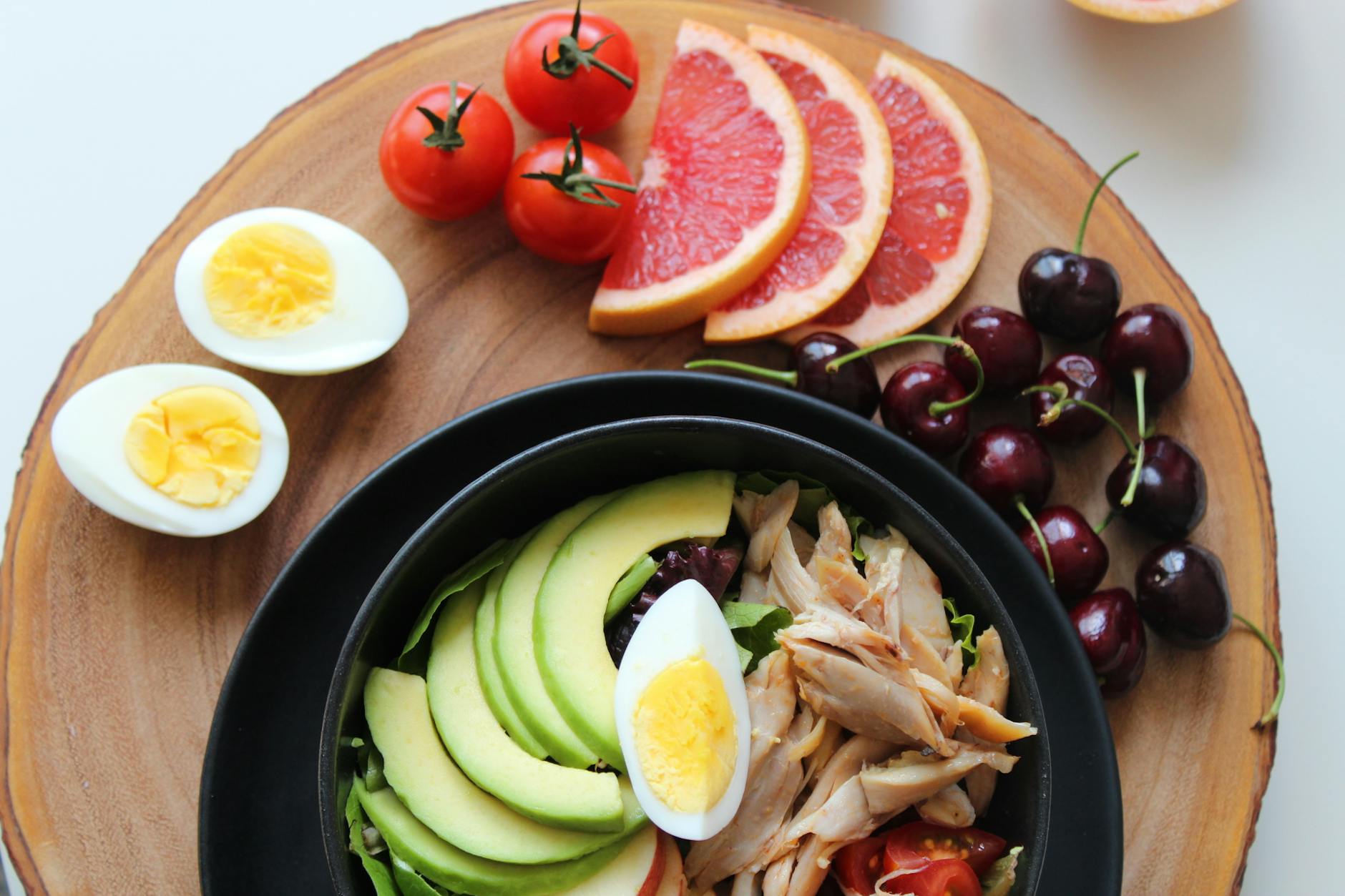
When you cook at home, you control how much olive oil goes into your food. A typical restaurant serving might drench a dish in oil for flavor and texture, but you can make intentional choices about quantity and quality. Other brain-protective ingredients often missing from takeout meals include leafy greens, berries, nuts, and fish—foods that require more preparation but are genuinely powerful for cognitive health. The very act of incorporating these foods—remembering that leafy greens can be added to pasta, that nuts are quick additions to meals, that fish takes only 15 minutes to cook—requires the kind of planning and decision-making that itself protects memory. You’re not just eating better; you’re thinking better while preparing better food.
Cooking as Lifestyle Medicine for Long-Term Brain Health
The bigger picture emerging from this research is that cooking isn’t just a domestic task—it’s a form of lifestyle medicine with specific protective value for dementia prevention. It joins other evidence-based approaches to brain health like physical exercise, social engagement, sleep quality, and cognitive challenges. What makes cooking distinctive is that it simultaneously addresses multiple health domains: it’s physical activity (standing, reaching, moving), cognitive exercise (planning and sequencing), potentially social (cooking for or with others), and results in nutritional intake that directly supports brain function. Few other everyday activities accomplish so much at once.
As our population ages and dementia becomes an increasingly significant health concern, the focus on preventive strategies is shifting. Rather than waiting until cognitive decline appears, researchers are increasingly looking at modifiable habits that might preserve brain function across decades. A regular cooking practice is one of the most practical and accessible of these strategies—it doesn’t require expensive equipment, doesn’t depend on a gym membership or special facilities, and provides immediate benefits beyond brain health alone. Starting to cook weekly, building confidence gradually, and choosing protective ingredients when you do cook represents a realistic approach to brain health that research increasingly supports.
Conclusion
The evidence that cooking at home protects memory better than relying on takeout is rooted not in tradition or intuition but in careful research tracking thousands of people over years. When researchers observe a 23 to 27 percent reduction in dementia risk among regular home cooks, and even more dramatic protection for those cooking despite limited skills, they’re identifying something real about how the brain responds to the cognitive and nutritional demands of food preparation. The contrast is sharpened by evidence that ultra-processed takeout foods—specifically the ultra-processed meats and added sugars they contain—actively increase cognitive impairment risk. If you’re concerned about dementia prevention, cooking at least once a week is a practical step you can take starting this week.
You don’t need elaborate recipes or a well-equipped kitchen. Start with simple meals that engage planning and attention, focus on ingredients like olive oil and vegetables when you can, and pay attention to how the activity makes you feel cognitively. For those caring for someone with cognitive concerns, maintaining cooking ability or gently adapting cooking tasks to match their current abilities can be both protective and meaningful. The kitchen, it turns out, may be one of the most powerful spaces in your home for protecting the memory that defines who you are.