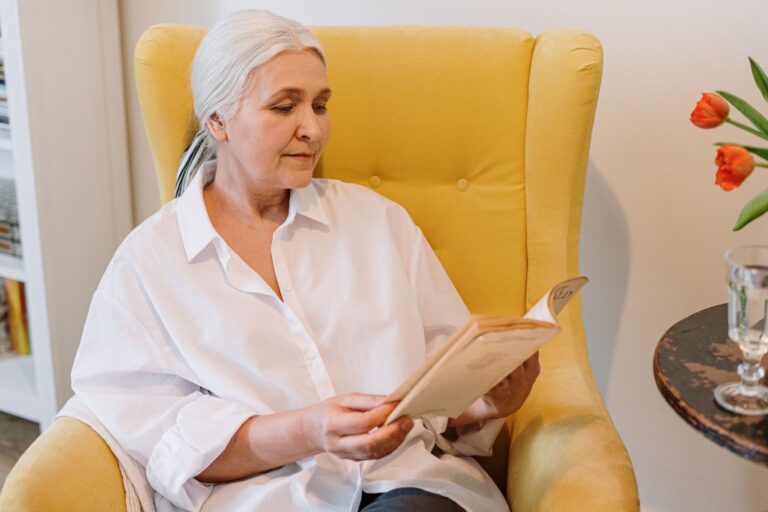
Common barriers to dancing for dementia prevention when starting slowly are low confidence, medical limits, fear of falling, and lack of time. Low mood, memory symptoms, cost, missing partners, and unsafe places also block many beginners.
Dementia prevention here means lowering future risk by tackling changeable risks, not guaranteeing prevention. Ballroom and square styles combine steps, music, and other people. That appeal helps explain interest, but a slow start still needs planning for health, mood, and access.
Medical information disclaimer: This article is for general educational purposes only and does not provide medical advice, diagnosis, or treatment. Always consult a physician or other qualified health professional about symptoms, medications, tests, or treatment decisions.
Table of Contents
- What dancing is linked to — and what it is not
- Why confidence, health, and fear of falling hold people back
- Why memory and mood make starting harder
- How to start slowly and stay safe
What dancing is linked to — and what it is not
A prospective cohort of 469 community residents older than 75 without dementia tracked leisure activities for a median 5.1 years. Dancing, reading, board games, and playing instruments were linked with lower dementia risk, according to the PubMed record for the NEJM study. The link was association, not proof that starting dance prevents dementia.
The BrightFocus summary of the Lancet Commission puts that link in context. It estimates about 45% of dementia cases could be prevented or delayed by addressing 14 changeable risks, including midlife inactivity and late-life isolation, as reported in the BrightFocus summary of the Lancet Commission. The landmark dance finding came from people ages 75 to 85, so it may not apply to younger adults.
Why confidence, health, and fear of falling hold people back
A 2015 systematic review of sedentary adults over 60 named low self-efficacy, medical conditions, physical limits, time pressure, and culture. Low self-efficacy means doubt about your ability to start and keep going. Pain, stiff joints, extra weight, and a busy household can turn that doubt into delay.
Fear of falling and injury rises after age 40, especially with chronic illness. The CDC advises choosing safe activities, building amount gradually as confidence grows, and asking a clinician what fits, as explained in CDC guidance for older adults. A slow class with handholds, smooth floors, and clear exits feels safer than a crowded fast dance.
Why memory and mood make starting harder
A Journal of Aging and Physical Activity study found older adults with mild cognitive impairment and early dementia more often report worsening memory, depressive symptoms, and lower-leg limits. Depression acts as a direct drag on activity. Forgetting steps, losing track of rhythm, and tiring quickly can feel embarrassing.
Short, familiar dances lower that load. Keep the same teacher, time, and room each week so cues stay predictable. Bring a friend or family member to share steps, conversation, and the trip home.
How to start slowly and stay safe
University of Washington brain-health experts note ballroom and square dancing help because they touch hypertension, obesity, depression, and isolation together. The same report notes access, partners, cost, and unsafe neighborhoods can block participation. A church hall, senior center, or daytime community class can solve several blocks at once.
MedlinePlus guidance from the National Library of Medicine sets a useful target, detailed in MedlinePlus exercise instructions. Build toward it from your current fitness, not from zero to full speed. Pick one beginner class near daylight travel, call ahead about chairs and floor, and ask your provider what fits before the first step.
- Aim over time for 150 minutes weekly of moderate aerobic activity such as fast dancing, plus strength work on 2 or more days.
- Begin from current fitness and add minutes gradually.
- Use a chair or wall for balance and wear steady shoes.
- Check with a provider about what fits.