Can Preclinical Diagnosis Help or Harm Patients?

Knowing you have brain pathology before symptoms appear can enable early treatment or trigger unnecessary fear and surveillance.
Knowing you have brain pathology before symptoms appear can enable early treatment or trigger unnecessary fear and surveillance.

MCI diagnosis opens a window for family action before cognitive decline becomes irreversible—but families need to know what actions matter most.
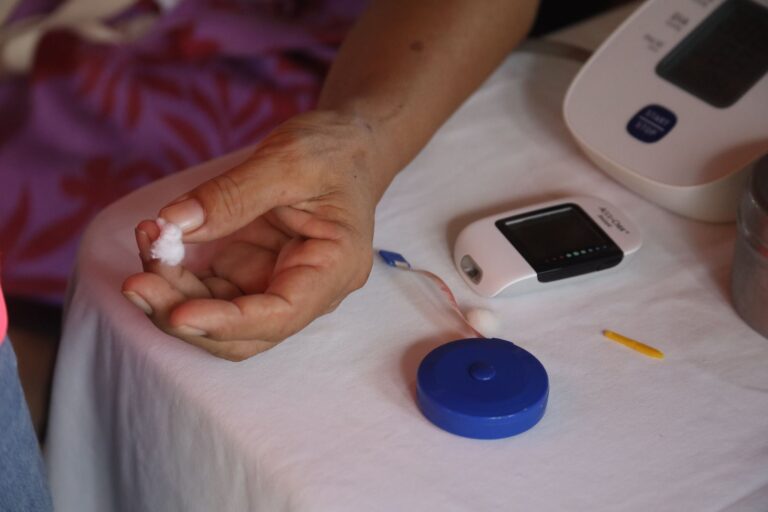
Emerging blood tests can identify Alzheimer's protein patterns that signal higher dementia risk, but positive results don't guarantee decline.

A positive screening test is the starting point, not a diagnosis—and most people who screen positive never receive a dementia diagnosis after formal evaluation.

Your education level can mask or exaggerate cognitive decline on dementia screening tests—here's what affects the score and how to interpret it accurately.

Routine tasks reveal early warning signs long before diagnosis. Know what to observe in daily living.

Occasional name forgetting is normal at any age, but persistent patterns paired with other memory gaps warrant medical evaluation.

Knowing dementia exists isn't enough—families need concrete strategies to manage it effectively.

Getting a person with dementia to a day program means solving the transportation puzzle first—and for many families, that puzzle has no affordable solution.

A case manager becomes your family's navigator through the medical system, preventing costly gaps and complications after diagnosis.
HelpDementia.com
Dementia, Alzheimer's, Caregiving & Healthy Aging Guidance
© 2026 HelpDementia.com. All rights reserved.
Educational information only. It is not medical advice and does not replace care from a qualified clinician.