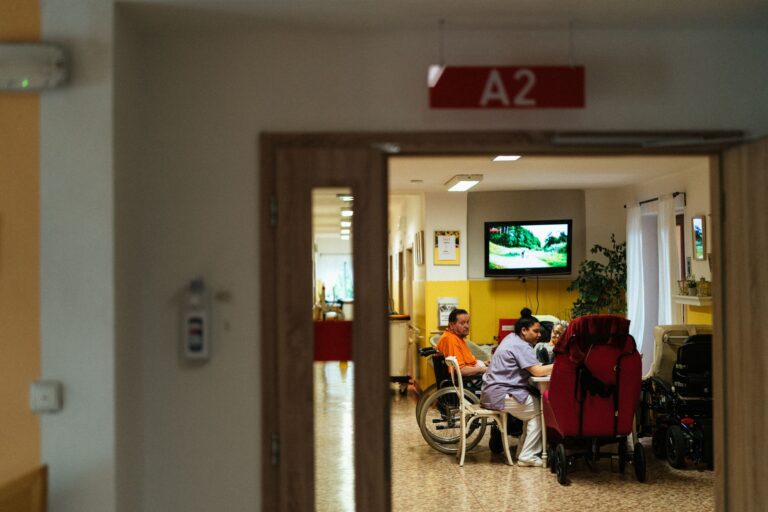
Case management matters after a dementia diagnosis because it coordinates care across multiple doctors, therapists, and services that would otherwise operate in isolation—and those gaps lead directly to missed medications, hospital readmissions, and preventable crises. When a person receives a diagnosis, the medical system fragments immediately: neurology handles the dementia workup, the primary care doctor manages blood pressure and diabetes, the neuropsychologist evaluates cognition, the social worker discusses memory loss, and often no one is talking to anyone else. A case manager serves as the central point of contact who actually bridges those silos, ensuring that when the neurologist prescribes a medication, the pharmacy knows about the kidney disease, the primary care doctor is informed, and the family understands the side effects and monitoring plan.
Without case management, what often happens is a 74-year-old woman diagnosed with early Alzheimer’s starts a memory medication, develops nausea, stops taking it without telling anyone, then returns six months later confused and declined because the medication was never taken—and the family spent months assuming the drug wasn’t working. A case manager catches this by checking in regularly, coordinates between the neurologist and primary doctor, alerts the family to expected side effects, and works with the pharmacy to adjust the medication, dose, or delivery method. The difference is not theoretical: research on dementia outcomes shows that patients under case management have 20–30% fewer hospitalizations and emergency room visits in the first year after diagnosis.
Table of Contents
- What Does Case Management Actually Do After Diagnosis?
- How Case Managers Prevent the Most Common Post-Diagnosis Failures
- How Case Management Coordinates with Multiple Specialists
- Building a Support System That Actually Works
- The Complications Case Managers Watch For
- Working with the Healthcare System on Behalf of the Family
- Timing Case Management and When to Engage
- Frequently Asked Questions
What Does Case Management Actually Do After Diagnosis?
A case manager becomes a guide through decisions that feel paralyzing when you’re newly diagnosed. The immediate period after diagnosis involves dozens of urgent questions: Should we hire home care, and how? What medications should we take, and which ones interact with each other? Which doctor appointments are most critical? Are there community resources we qualify for? Should we consider support groups, and which ones are legitimate? A case manager knows the answers because this is their job—they’ve guided hundreds of families through the same sequence of decisions and understand which choices matter most and which are optional.
The practical work includes appointment coordination (making sure the neurologist’s notes reach the primary care doctor before the next visit), medication reconciliation (auditing all pills and supplements for interactions and duplicate therapy), benefits screening (identifying whether the person qualifies for Medicaid waiver programs, Area Agency on Aging services, or disease-specific assistance), and care planning (writing down the actual steps the family will take based on the diagnosis). For a family that has just learned their parent has frontotemporal dementia, a case manager might discover that the person qualifies for a Medicaid waiver that covers in-home care—a program the family had never heard of—potentially saving thousands of dollars monthly and enabling the person to stay at home longer. Without case management, that family finds out about the waiver three years later, after spending their savings on private care.
How Case Managers Prevent the Most Common Post-Diagnosis Failures
The biggest failure after dementia diagnosis is what’s called “fragmented care“—each provider does their job well in isolation, but no one tracks the overall picture. A person gets diagnosed with mild cognitive impairment, starts a memory medication, develops low sodium as a side effect (a known but uncommon risk), becomes confused and falls, breaks a hip, spends five days in the hospital, never takes the memory medication again because the fall terrified the family, and by the next neurology appointment three months later, the decline is obvious. A case manager prevents this by actively monitoring for side effects and complications, checking in with the family weekly or biweekly in the early months, asking specifically about new symptoms (confusion, nausea, falls, sleep changes), and escalating concerns to the doctor before they become emergencies. Another frequent problem is that families make major care decisions in crisis.
The person has a hospitalization or falls or becomes too difficult to manage, and then—at 2 a.m., frightened and exhausted—the family decides to place the person in a facility. That decision made in crisis is often not the decision the family would make with more time and information. A case manager works proactively after diagnosis to plan for changes six months or two years out: if the disease progresses at a certain rate, what will care look like? Can we manage this at home with help, or should we plan for assisted living? What facilities are quality options? This planning, done calmly in advance, prevents crisis decisions and often enables the person to remain at home longer. The limitation is that case managers cannot always prevent a crisis—if a person wanders and becomes lost, or develops acute illness, or becomes unsafe—but they can reduce the frequency and severity of crises by anticipating problems and building support systems in advance.
How Case Management Coordinates with Multiple Specialists
After a dementia diagnosis, a person typically sees a neurologist, a primary care doctor, and possibly a neuropsychologist, psychiatrist, or geriatrician. Each has information the others need: the neurologist knows the scan results and dementia type, the primary care doctor knows the kidney function and blood pressure, the psychiatrist knows about depression or anxiety that might be worsening cognition, and the family knows the person’s actual functioning at home. Without coordination, decisions conflict. The neurologist recommends a medication that the primary care doctor hesitates to prescribe because of kidney disease. The psychiatrist starts an antidepressant that interacts with the memory medication. The family doesn’t fill the neurologist’s prescription because they don’t understand why it’s needed.
A case manager makes sure the neurologist and primary care doctor have actually spoken, reviews medication lists together for safety, and explains to the family which decisions come from which doctor and why. A specific example: a 68-year-old with Lewy body dementia becomes very agitated in the evenings. The psychiatrist recommends a sedating medication. The case manager checks the person’s medication list and sees that they’re already on three sedating drugs and have fallen twice in the past month. The case manager calls the neurologist, who explains that Lewy body patients are extremely sensitive to sedating medications and that the agitation might be reversible by adjusting other drugs or addressing triggers. The case manager helps the family understand that more sedation is actually the wrong direction, and works with the neurologist to reduce medications and manage the agitation through routine and environment instead. That conversation prevented a potential fall, hospitalization, or rapid decline.
Building a Support System That Actually Works
A case manager helps construct the practical infrastructure that keeps a person safe and functional as dementia progresses. This includes assessing the home for safety hazards (stairs, bathrooms, toxic substances), identifying whether the person needs in-home help and how many hours, connecting the family to adult day programs or support groups, arranging for financial and legal planning (power of attorney, healthcare proxy, advance directives), and making sure the person gets the screening and preventive care that people with dementia often miss (dental work, vision care, hearing aids). The contrast is stark between families with case management and families without. A family without case management hires a home health aide because Mom is having trouble managing medications, but nobody does a formal assessment of what the person actually needs—maybe the person needs help with medications and bathing but can still cook and manage finances, or maybe the person needs full-time supervision.
The aide is there 12 hours a week, but the family discovers only when a crisis happens that the person was wandering at night unsupervised. A case manager assesses the person’s actual functional abilities, determines realistic care needs, and structures support accordingly. If the person is in early dementia and can still be alone for periods, the case manager might recommend adult day care three days a week and medication reminders, not 24-hour care. If the person has advanced dementia and cannot be left alone, the case manager helps the family understand the cost and logistics, explores whether Medicaid coverage is available, and helps plan for eventual facility care if the family cannot sustain full-time in-home help.
The Complications Case Managers Watch For
Dementia does not progress in isolation—it intersects with other medical conditions, and case managers watch for specific complications that are common but often missed. Depression is extremely common after a dementia diagnosis and is often misattributed to the dementia itself rather than recognized as treatable illness. A case manager actively screens for depression with the patient and family, communicates this to the doctor if present, and ensures that treatment is offered. Another frequent complication is delirium—temporary confusion caused by infection, medication, or metabolic disturbance—which looks like dementia progression but is actually reversible. A case manager who knows the person’s baseline cognition can recognize when a sudden change suggests delirium rather than disease progression and can push for appropriate testing (urinalysis, metabolic panel) that finds the treatable cause. A significant limitation of case management is that it depends on the person and family being willing to engage with the process.
Some people with newly diagnosed dementia deny the diagnosis and refuse support planning. Some families are resistant to involving case management, viewing it as unnecessary or intrusive. In these situations, the case manager’s ability to prevent problems is constrained. Another limitation is that case management is often not covered by insurance or Medicaid, requiring out-of-pocket payment of $50–150 per hour. Some families cannot afford it, and the burden falls on the family member to manage coordination and planning alone. When case management is available and accessible, though, the difference in outcomes is measurable.
Working with the Healthcare System on Behalf of the Family
One of the most valuable functions of a case manager is actually advocating within the healthcare system on behalf of the person and family. This includes requesting medical records, obtaining second opinions, appealing insurance denials, and pushing back when a doctor makes a decision the family or case manager believes is unsafe or inappropriate. For example, when a hospital wants to discharge a person with dementia after surgery without a clear plan for pain management or functional decline, a case manager can request a family meeting, bring in the primary care doctor and rehabilitation team, and ensure the hospital does not discharge the person to an unsafe situation.
A family often does not have the knowledge or confidence to make these requests alone. A case manager also helps families understand when a provider’s recommendation makes sense and when it doesn’t. If a neurologist suggests a memory medication for someone with very advanced dementia, a case manager can explain that the evidence shows minimal benefit in advanced stages and that the burden of the medication might outweigh the benefit—helping the family make a more informed decision rather than simply accepting the recommendation because it came from a doctor.
Timing Case Management and When to Engage
The best time to engage case management is as soon as possible after diagnosis—ideally within weeks, not months. The post-diagnosis period is when decisions are being made most rapidly, when the family is most stressed and least able to process information, and when case planning has the most impact. Many families wait until a crisis happens to seek case management, but by then some problems are already set in motion. A person who started a medication in late diagnosis and never tolerated it might have declining cognition that is partly preventable.
A family that has already spent down savings on unplanned care without exploring Medicaid coverage has lost an option that case management would have identified. Finding a case manager can happen through several routes: the diagnosis-giving neurologist or primary care doctor, the Alzheimer’s Association (which often offers case management services or referrals), Area Agencies on Aging, or hiring a private care manager. The Alzheimer’s Association 24/7 Helpline (800-272-3900) can connect a family to case management resources in their region. A case manager with dementia-specific knowledge is preferable to a generalist, because dementia case management involves understanding disease progression, recognizing complications specific to different types of dementia, and knowing which interventions have evidence in this population.
Frequently Asked Questions
Does Medicare cover case management services?
Medicare covers care coordination through Managed Long-Term Care (MLTC) programs in some states, and through Medicare Advantage plans in limited cases. Traditional Medicare does not cover generalist case management. Medicaid coverage varies by state. Many families pay out of pocket or access services through the Alzheimer’s Association at reduced cost or free.
How often should a case manager check in after diagnosis?
In the first three to six months after diagnosis, when decisions are being made most rapidly and the family is adjusting, weekly or biweekly contact is typical. After the initial planning phase, monthly or quarterly check-ins often suffice, though this depends on the complexity of the person’s medical situation and how quickly the disease is progressing.
What’s the difference between a case manager and a social worker?
Social workers focus primarily on emotional support, coping, and counseling. Case managers coordinate practical logistics, manage appointments and medications, connect people to services, and advocate within the healthcare system. Many people benefit from both, though a case manager with social work training bridges both functions.
Can a family member serve as the case manager?
A family member can coordinate care, but research shows that when there is a formal, paid case manager separate from the family, outcomes improve because the case manager brings professional knowledge, relationships with providers, and freedom from the emotional load that family members carry. Family members are better able to focus on emotional support and presence when someone else is managing the logistics.
What should I look for in a case manager?
Look for someone with geriatric or dementia-specific training, familiarity with your insurance and local resources, and a clear explanation of what they will actually do and how much it costs. Ask for references and make sure the person is responsive and willing to work collaboratively with your doctors and family.
If diagnosis happens in the hospital, is case management part of discharge planning?
In some cases, yes, but not always. Hospitals typically offer discharge planning, but this may be basic and not extend beyond the immediate post-discharge period. If the diagnosis is dementia, it’s worth specifically asking the hospital social worker whether they can refer the family to long-term case management or geriatric care management beyond the discharge planning phase.