Prioritizing Patient Well-Being Over Medical Protocols

When rigid medical protocols clash with dementia patients' actual needs, families and clinicians must be willing to ask: Does this treatment serve this person?
When rigid medical protocols clash with dementia patients' actual needs, families and clinicians must be willing to ask: Does this treatment serve this person?

Sedation quiets dementia behavior, but connection solves it—a fundamental shift from suppressing symptoms to understanding and meeting needs.

Dementia patients in understaffed care settings show higher rates of agitation, anxiety, and behavioral crises—a measurable gap that widens with each additional resident per caregiver.

In advanced dementia's final months, a peaceful environment and your own composure become medicines in themselves.

How you arrange a room, control lighting, and manage social contact directly shapes whether dementia symptoms improve, stabilize, or worsen.

Aging brains show measurable physical changes that create vulnerability to disease, but normal aging and dementia are not the same thing.

Familiar spaces reduce cognitive load and provide safety anchors that can persist even when memories fade.

Sudden mood shifts stem from neurotransmitter imbalances, brain structural changes, hormonal fluctuations, and immune activation—not character flaws.

When someone with dementia repeats the same question, it is not memory failure—their brain cannot register that they have already completed the action.
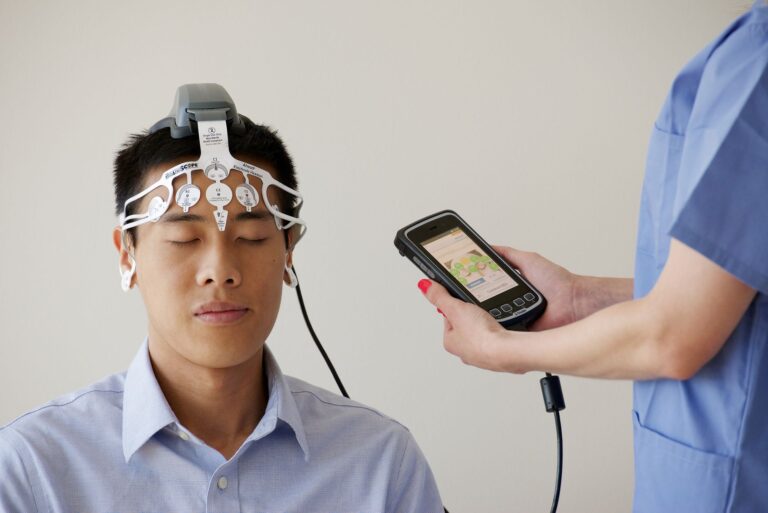
In a healthy brain, the prefrontal cortex acts as the executive director, receiving emotional signals from the limbic system and deciding whether to...
HelpDementia.com
Dementia, Alzheimer's, Caregiving & Healthy Aging Guidance
© 2026 HelpDementia.com. All rights reserved.
Educational information only. It is not medical advice and does not replace care from a qualified clinician.