Why Genealogy Records Can Mean Everything to Families Facing Dementia
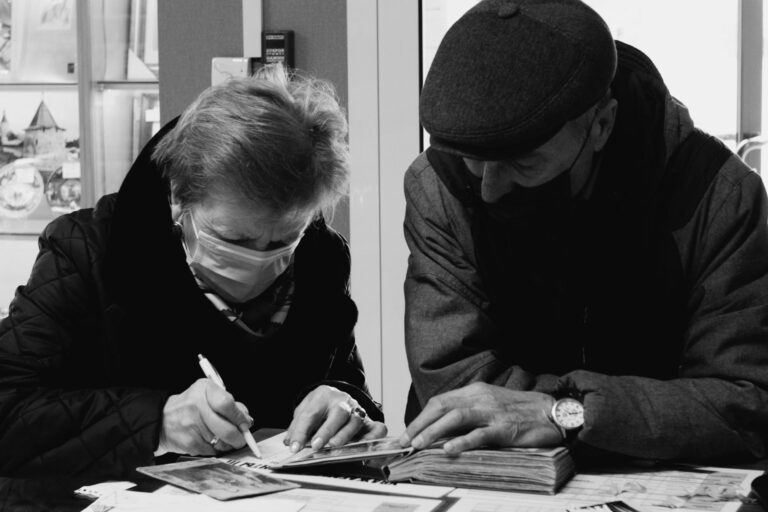
Genealogy records activate preserved memories, guide dementia diagnosis, reveal genetic risks, and strengthen the family support networks essential for long-term care.
Genealogy records activate preserved memories, guide dementia diagnosis, reveal genetic risks, and strengthen the family support networks essential for long-term care.
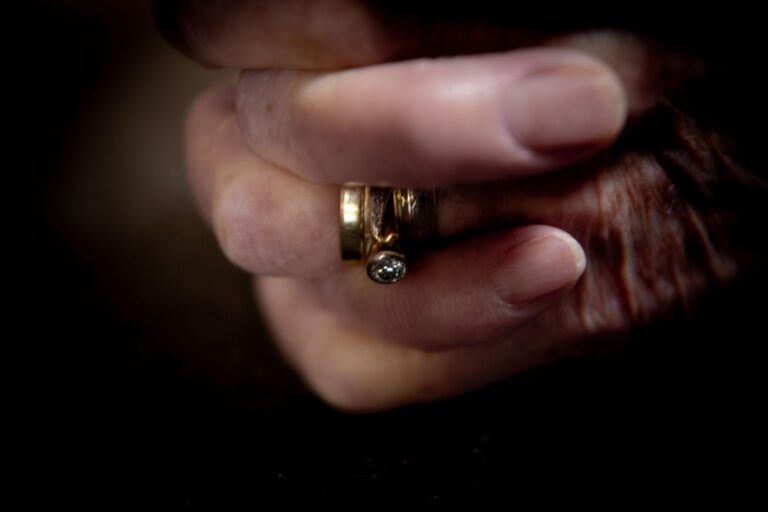
Learn how to use meaningful jewelry for connection while protecting the person's dignity, wishes, and valuables.

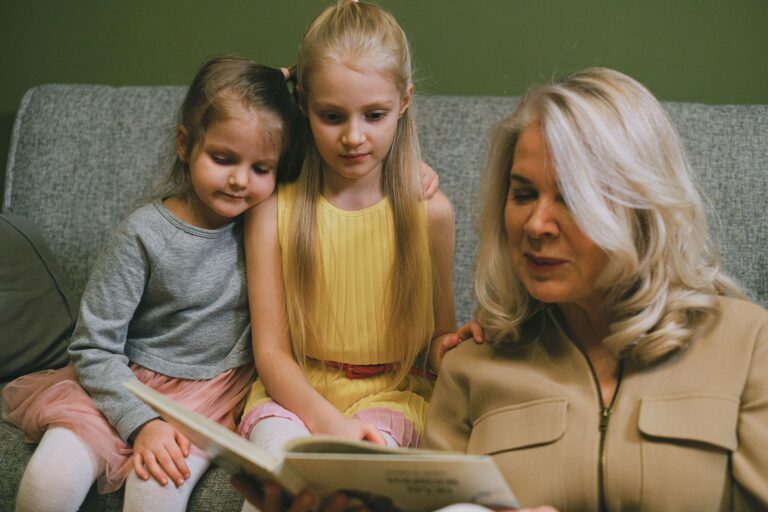
Learn how to make three-generation storytelling gentler, recognize emotional strain, and set realistic expectations about benefits.
Learn to use labeled family records as gentle conversation prompts while preserving accuracy and respecting changing abilities.
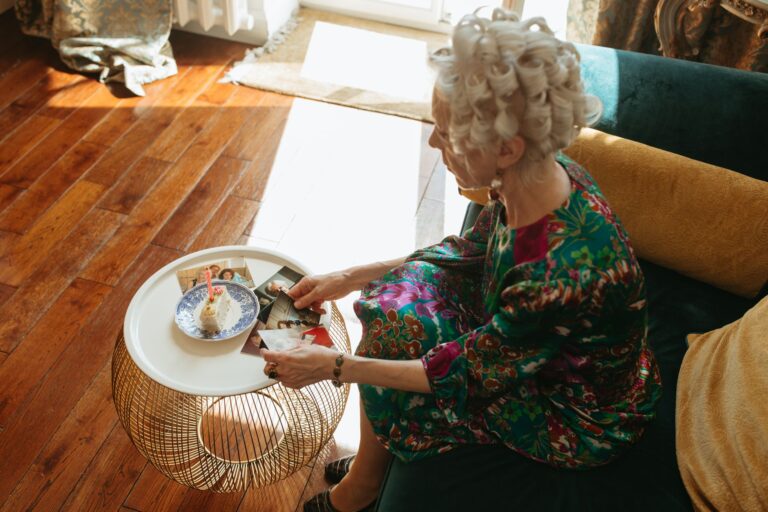
Use an heirloom as a gentle conversation cue while protecting the person, the family story, and the jewelry.
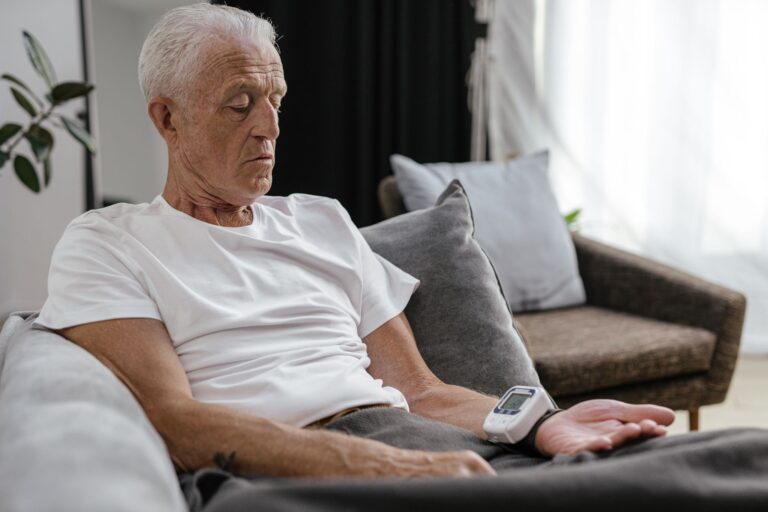
Leqembi can trigger small brain bleeds in roughly 20–30% of users; blood thinners amplify this risk and require close MRI monitoring.
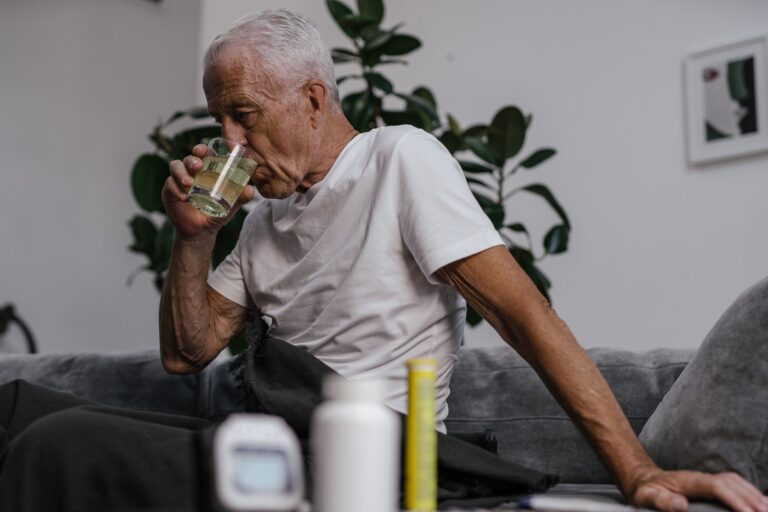
FDA-approved Alzheimer's blood tests are diagnostic tools for symptomatic patients, not screening tests for healthy people, and cannot predict future dementia risk.

Up to 45% of dementia cases may be preventable through 14 modifiable health, lifestyle, and environmental factors identified in 2026.

Modifiable health, lifestyle, and environmental factors influence your dementia risk; a practical checklist helps you identify and address the ones that matter most to you.
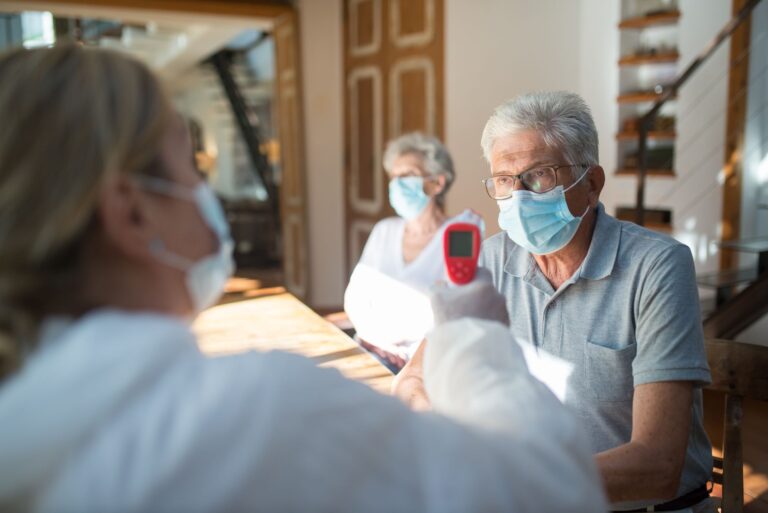
Use a midlife checklist to rank vascular risks, daily habits, hearing care, and air-pollution exposure.