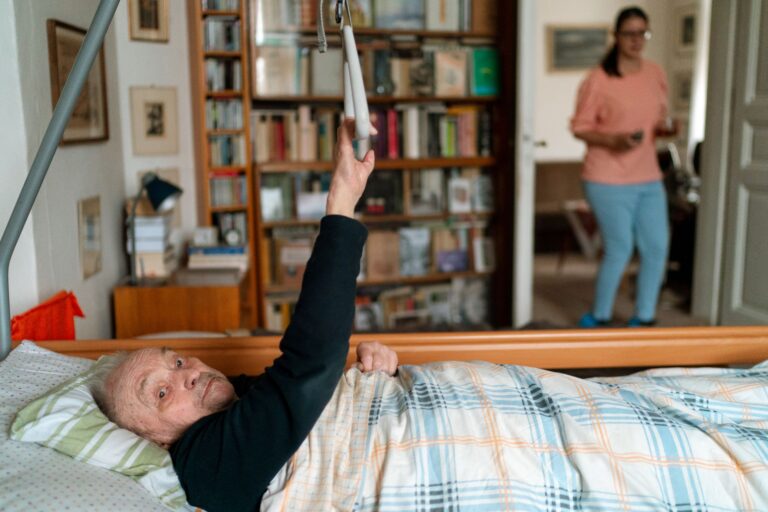
A dementia risk checklist is a tool to identify factors within your control that may affect your likelihood of cognitive decline as you age. According to WHO guidelines released in July 2026, up to 45% of dementia cases could be prevented or delayed through changes to health, lifestyle, and environment.
The 2026 checklist is based on 14 modifiable factors identified by the Lancet Commission in 2024. These factors work across your entire life—from education and early injury prevention through midlife cardiovascular health to hearing, vision, and social connection in older age. This article walks through each category so you can assess your own risk and identify where you may have actionable choices.
Medical information disclaimer: This article is for general educational purposes only and does not provide medical advice, diagnosis, or treatment. Always consult a physician or other qualified health professional about symptoms, medications, tests, or treatment decisions.
Table of Contents
- Cardiovascular Health—The Strongest Midlife Link
- Hearing Loss and Untreated Vision Problems
- Lifestyle Factors You Control Now
- Traumatic Brain Injury and Environmental Hazards
- When to Start and What to Track
- Frequently Asked Questions
Cardiovascular Health—The Strongest Midlife Link
blood pressure and blood sugar control are among the most significant controllable factors for dementia risk. Hypertension and Type 2 diabetes are causal risk factors for cognitive decline, and their effect is strongest in midlife. If you have been diagnosed with either condition, managing it now directly affects your brain health later.
A counterintuitive finding: abnormally low blood pressure is also associated with increased Alzheimer's disease risk, potentially because the brain receives reduced blood flow. This means the goal is not the lowest blood pressure possible, but a stable, well-managed level appropriate for your age and health. Ask your doctor where your target range should be and whether your current medications are achieving it.
Hearing Loss and Untreated Vision Problems
Hearing loss and untreated vision loss both appear on the Lancet Commission's list of modifiable dementia risk factors. When you cannot hear or see clearly, your brain compensates with extra cognitive load, and social engagement often declines.
The CDC recommends screening and treating hearing loss as a preventive strategy, and evidence suggests that hearing aids may help reduce dementia risk. Getting a hearing test and vision check should be part of routine health maintenance, not something deferred until problems feel severe. If you have been putting off either, consider scheduling appointments as part of your dementia prevention plan.
Lifestyle Factors You Control Now
The Lancet Commission identified several lifestyle factors you can change: physical inactivity, obesity, smoking, excessive alcohol use, depression, and social isolation. These do not require a medical diagnosis or intervention—they respond to daily choices. Regular physical activity, maintaining social connections, quitting smoking, and moderate alcohol consumption all reduce dementia risk.
Education and cognitive engagement matter too. Lifelong learning, reading, puzzles, and mentally stimulating activities build cognitive reserve, which appears to protect against dementia even when underlying brain changes occur. If you left school early or have concerns about your education level, adult learning opportunities and engagement in challenging activities count.
Traumatic Brain Injury and Environmental Hazards
Traumatic brain injury—including repeated concussions from falls, accidents, or sports—is a modifiable risk factor for dementia. Prevention means reducing your fall risk at home, wearing protective gear during activities where head injury is possible, and treating concussions seriously when they occur.
Air pollution exposure is also on the 2026 checklist. While you cannot eliminate all environmental pollution, you can reduce your exposure by checking air quality forecasts on high-pollution days and limiting outdoor activity when air quality is poor. If you live in an area with persistent air quality problems, consider whether changes to your routine or living situation are feasible.
When to Start and What to Track
The Lancet framework emphasizes that dementia prevention is a life-course issue: education matters early, midlife cardiovascular health is critical, and hearing, vision, and social engagement matter throughout. You do not need to address all 14 factors at once. Start by identifying one or two areas where change feels most achievable for you—such as a hearing test, regular walks, or rebuilding a dormant friendship.
Tracking does not require expensive apps. A simple checklist of modifiable factors, reviewed annually with your doctor, can help you notice when a factor has shifted and when action is needed. Your primary care doctor can help prioritize which factors matter most given your personal and family medical history.
Frequently Asked Questions
What if I have already been diagnosed with dementia or mild cognitive impairment?
The research on prevention focuses on people without cognitive decline. If you have a diagnosis, discuss prevention strategies with your neurologist or primary care doctor, as your recommendations may differ.
Does the 45% prevention figure mean I can guarantee I will not develop dementia?
No. The 45% figure means that dementia risk in the population could shift if these factors were modified across many people. Individual risk depends on genetics, overall health, and unknown factors science has not yet identified. Reducing modifiable risk factors improves your odds but does not eliminate risk entirely.
Are there genetic risk factors I should know about?
Yes. Genetics play a role, including variants like APOE4. However, genetics are not modifiable, and people with genetic risk factors can still benefit from managing the 14 lifestyle and health factors on this checklist.