People taking blood thinners—like warfarin or apixaban—face an elevated risk of brain bleeding when also using Leqembi (lecanemab), a newer Alzheimer's medication approved by the FDA in July 2023. The risk arises because Leqembi targets amyloid plaques in the brain, which can occasionally trigger microhemorrhages (tiny bleeds), and blood thinners amplify that danger by making bleeding harder to control. The combination does not automatically disqualify you from either medication, but it requires careful monitoring and honest conversation with your care team. Understanding the risk, the warning signs, and what monitoring looks like can help you and your doctor make a decision that fits your situation.
Medical information disclaimer: This article is for general educational purposes only and does not provide medical advice, diagnosis, or treatment. Always consult a physician or other qualified health professional about symptoms, medications, tests, or treatment decisions.
Table of Contents
- How Leqembi Affects the Brain
- Why Blood Thinners Increase the Risk
- Who Should Be Especially Careful
- Monitoring and Safety Protocols
- Practical Steps If You Are Considering Both Medications
- Frequently Asked Questions
How Leqembi Affects the Brain
leqembi works by clearing amyloid-beta, a protein that accumulates in Alzheimer's disease and contributes to cognitive decline. The FDA approved Leqembi as a traditional treatment for early Alzheimer's, marking the first disease-modifying therapy shown to slow memory loss in early stages.
However, this amyloid-clearing process can sometimes trigger amyloid-related imaging abnormalities (ARIA)—microhemorrhages or microinfarcts that appear on brain scans. These microhemorrhages usually cause no symptoms and resolve on their own, but they occur in roughly 20–30% of people taking Leqembi, especially in those with existing brain changes. blood thinners prevent the body from clotting effectively, so if a microhemorrhage occurs while you are on a blood thinner, it may be harder to stop or may become larger.
Why Blood Thinners Increase the Risk
Blood thinners—including warfarin, apixaban (Eliquat), rivaroxaban (Xarelto), and dabigatran (Pradaxa)—lower your blood's ability to clot. This protection is necessary for conditions like atrial fibrillation or prior clots, but it becomes a liability when combined with a medication that can trigger brain bleeding.
The risk is not that Leqembi causes severe strokes; it is that small bleeds may progress further or take longer to stabilize. Research indicates that combining Leqembi with anticoagulants creates a synergistic risk: you have both the potential for microhemorrhages from Leqembi and reduced clotting ability from the blood thinner. This does not mean the combination is forbidden, but it narrows the margin of safety and demands close oversight.
Who Should Be Especially Careful
Certain people face higher risk if they combine Leqembi and blood thinners. Those with a history of microhemorrhages, prior stroke, uncontrolled high blood pressure, or amyloid-related abnormalities on brain imaging should discuss these medications with a
Elkasaby Joins UH Samaritan Dementia Parkinson’s Treatment Team”>neurologist
Monitoring and Safety Protocols
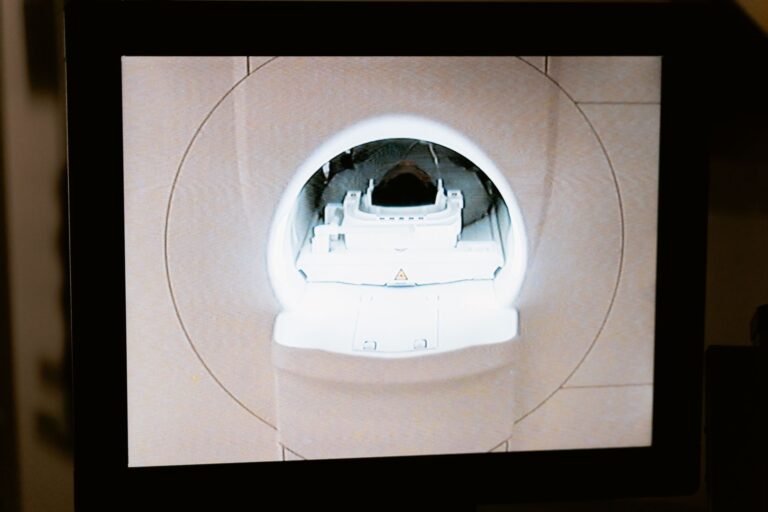
The FDA recommended additional earlier MRI monitoring for patients on Leqembi, especially those at higher risk. If you are on both Leqembi and a blood thinner, you will likely need MRI scans before starting treatment and at regular intervals during treatment to detect microhemorrhages before they cause symptoms.
Your care team should also monitor your blood-clotting function (INR if you are on warfarin, or periodic labs for other anticoagulants) and review your blood pressure at each visit. Report any unusual headaches, dizziness, confusion, vision changes, or weakness immediately—these may signal a bleed.
Practical Steps If You Are Considering Both Medications
If Leqembi is being considered and you take a blood thinner: Some people are able to continue both medications safely with rigorous monitoring. Others may benefit from a different Alzheimer's therapy or a lower-intensity blood thinner. The decision is individual and should be made collaboratively with your neurologist and cardiologist or primary care provider.
- Tell your prescriber about all anticoagulants, antiplatelets (including aspirin), and herbal supplements before starting Leqembi.
- Ask your doctor to clarify whether stopping or switching the blood thinner is an option if your clot risk is low.
- Confirm that you have baseline MRI imaging and a clear schedule for follow-up scans.
- Know the warning signs of brain bleeding: sudden severe headache, confusion, weakness on one side, vision loss, or loss of consciousness.
- Never stop taking a blood thinner without your doctor's approval, even if you are worried about Leqembi.
Frequently Asked Questions
Can I take Leqembi if I am on aspirin?
Aspirin is a weaker antiplatelet than a full anticoagulant. Many people on aspirin alone can use Leqembi with MRI monitoring, but discuss your specific dose and risk factors with your doctor.
What should I do if I have a headache while on Leqembi and a blood thinner?
Most headaches are not brain bleeds, but do not guess. Call your doctor or seek urgent care if the headache is severe, sudden, different from your usual headaches, or accompanied by weakness, confusion, or vision changes.
Will I have to stop my blood thinner if I take Leqembi?
Not necessarily. Your doctor will weigh your individual clot and Alzheimer's risks. Some patients continue both with monitoring; others switch to a lower-dose anticoagulant or a different Alzheimer's therapy.
How often will I need MRI scans if I take both medications?
The FDA and prescribing information recommend baseline imaging and periodic scans during treatment. Your neurologist will determine the schedule based on your risk factors and baseline imaging results.