Medication Reminder Apps for Dementia: What Families Should Know

Medication reminder apps can reduce missed doses, but families need to know when they actually work and when they're just creating busy work.
Medication reminder apps can reduce missed doses, but families need to know when they actually work and when they're just creating busy work.

Technology can help keep someone with dementia safe at home, but success requires matching the right tools to the person's needs and being realistic about limitations.

Wearable sensors track sleep duration, fragmentation, and nighttime movement in Alzheimer's patients, detecting early changes in rest patterns that signal cognitive decline.

Touch-based sensory activities calm agitation and boost engagement in dementia care without expensive equipment or specialized training.
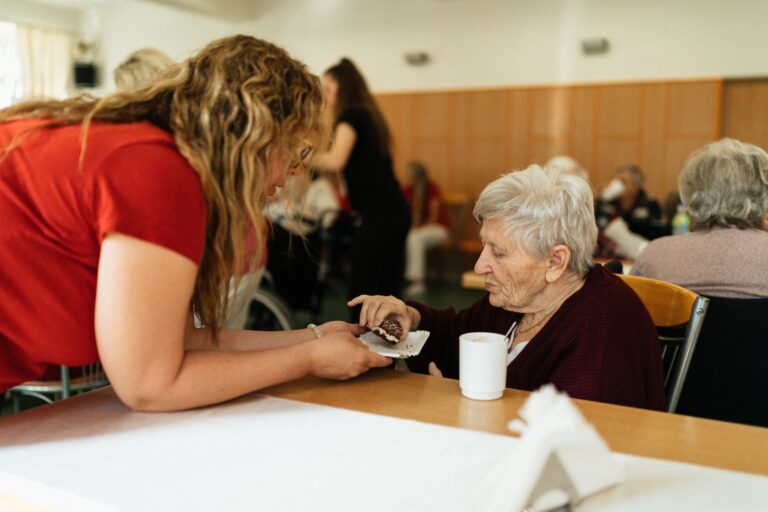
Home modifications help people with dementia remain independent and safe in familiar surroundings while reducing fall and injury risks.
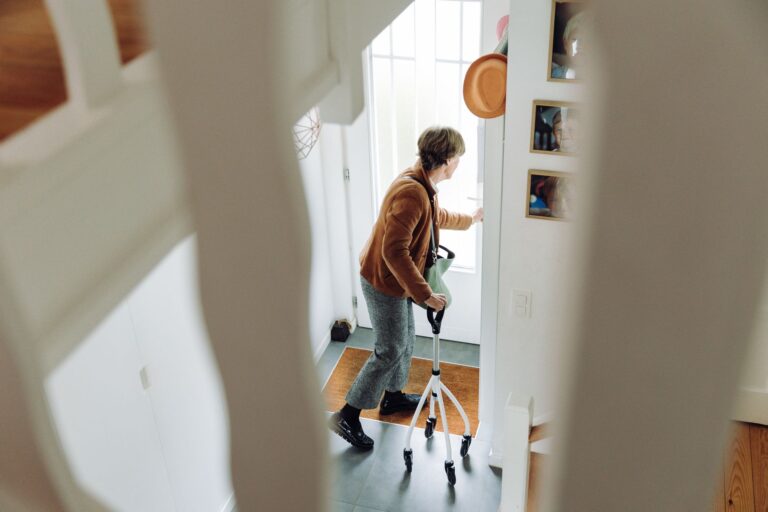
People with dementia face heightened fire risk because cognitive decline impairs their ability to detect danger, understand warnings, and escape safely.

Effective dementia wandering prevention requires matching your home's layout, exit points, and your loved one's stage of disease to the right alarm type or combination of systems.
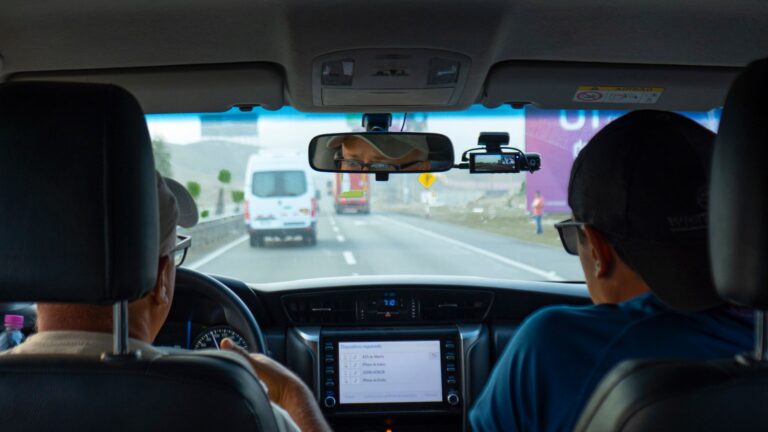
Most GPS trackers promise real-time tracking but deliver battery life of three days—here's what to actually compare before buying.

When dementia damages the brain's judgment center, families face disruptive behavior they cannot shame or scold away—but boundaries and environment design can help.

Preparing notes before each doctor visit prevents dementia being discussed from memory alone, where critical details slip away.