Could Medication Reminders Work Through Smart Devices?

Smart devices can announce medication times, but adherence in dementia care depends on far more than hearing a reminder.
Smart devices can announce medication times, but adherence in dementia care depends on far more than hearing a reminder.

Voice tech promises safety for older adults but can fail during medical emergencies, misunderstand seniors, and expose them to fraud.
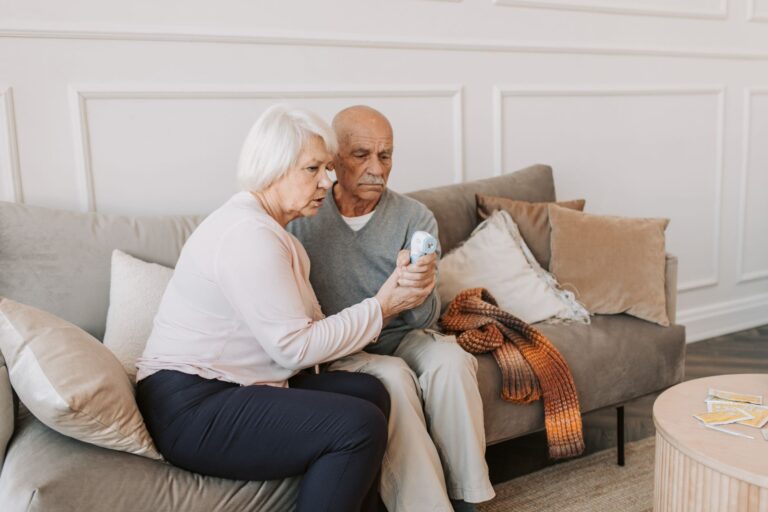
Smart speakers can support Alzheimer's patients with reminders and family check-ins, but they work best in early disease and require realistic expectations about their limits.

Dementia monitoring protects safety but collapses the ability to truly consent to being watched.

Technology can alert families to falls and wandering, but passive monitoring has real limits—and significant privacy costs.
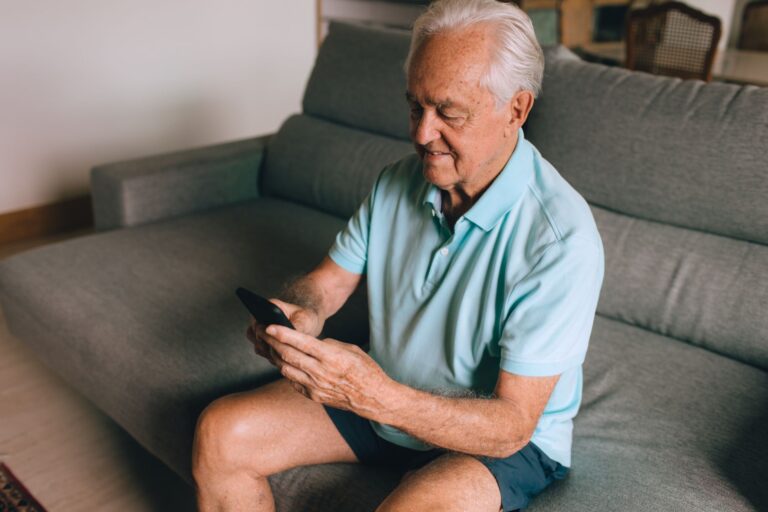
Most cognitive apps track nothing meaningful about your brain, despite appearing scientifically precise.

Most dementia technology is designed for healthy brains, not the brains it's meant to support.
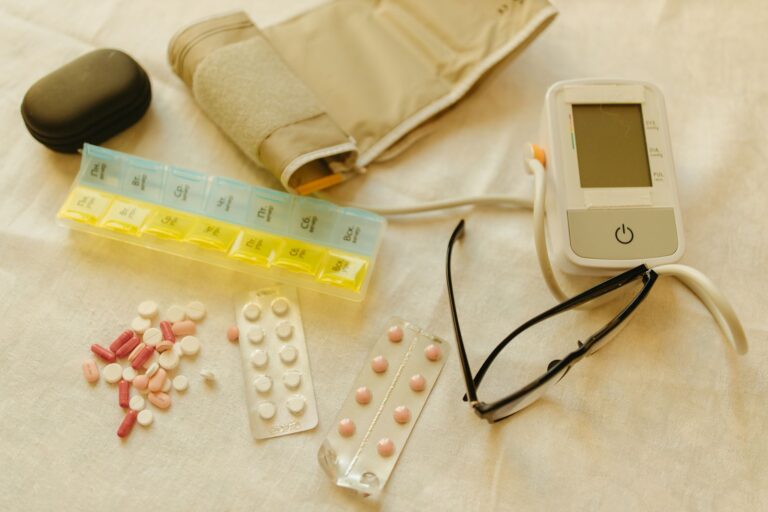
AI tools for diagnosing Alzheimer's can miss disease in some patients while overdiagnosing in others—depending on whose faces and brains trained the algorithm.

AI dementia tools must explain their reasoning and limitations, not just deliver predictions, because clinicians cannot safely act on outputs they don't understand.

Alzheimer's test data remains secured and regulated for decades, with retention periods ranging from 6 to 25 years depending on regulatory requirements and sponsor decisions.