Why Alzheimer’s Testing Needs Post-Market Monitoring
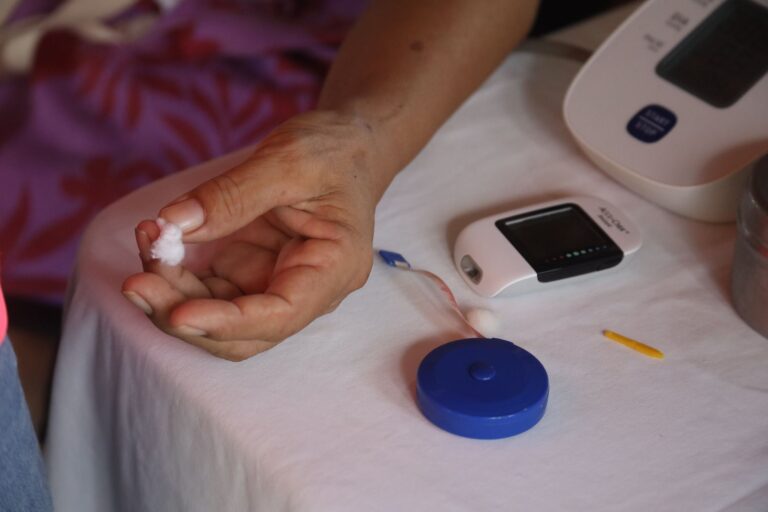
FDA-approved Alzheimer's tests often lack robust post-market monitoring, leaving diagnostic gaps undiscovered until they affect patient care.
FDA-approved Alzheimer's tests often lack robust post-market monitoring, leaving diagnostic gaps undiscovered until they affect patient care.

FDA Breakthrough Designation accelerates device review, but many patients mistakenly believe it means proven safety and effectiveness.

FDA Breakthrough Designation accelerates review but guarantees neither approval nor safety—roughly half of designated drugs never reach patients.

A clearer, less cluttered home can ease the mental strain of cognitive decline, but only when paired with realistic expectations about what it can and cannot fix.

Memory loss is only part of why appliances become puzzles for Alzheimer's patients—cognitive and physical changes make operation difficult and sometimes dangerous.

Adaptive tools in Alzheimer's care extend independence and reduce caregiver exhaustion by compensating for cognitive loss in real time.

Memory loss and brain changes drive accumulation in dementia, not psychiatric illness—and require different management strategies than hoarding disorder.

Many medications used to treat heart disease, anxiety, and dementia quietly impair balance or memory in the kitchen, where mistakes can lead to burns or falls.

Automatic stove shutoff devices can prevent fires from forgotten burners, but they work best as part of a comprehensive kitchen safety plan, not as a standalone fix.
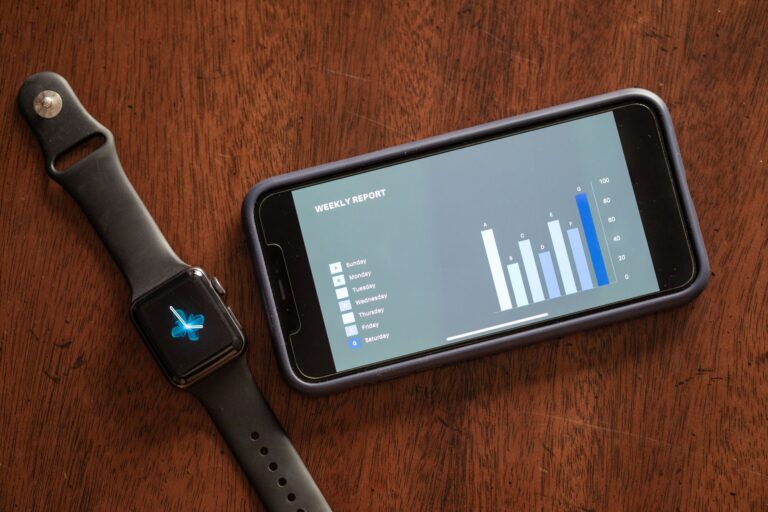
Smartwatches can detect sleep and movement patterns linked to Alzheimer's, but they can't diagnose the disease or predict decline with certainty.