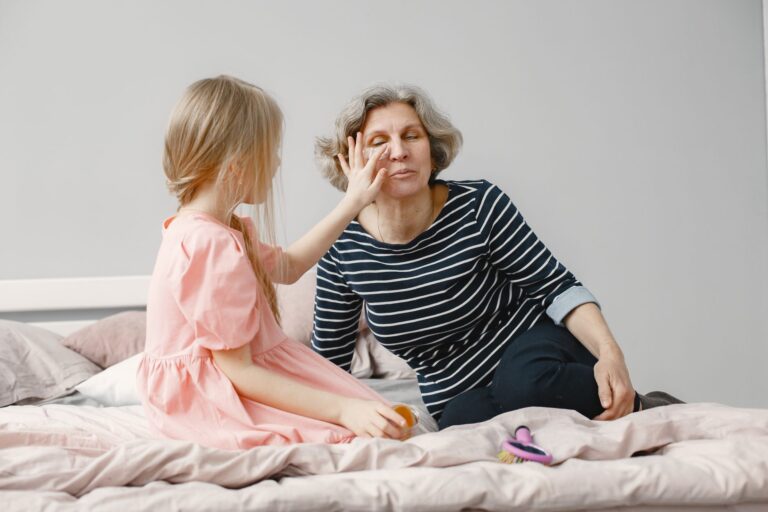
Touch-based sensory activities are among the most effective and affordable ways to calm agitation, boost engagement, and improve quality of life for people living with dementia. These activities work because they engage the sensory system directly—the part of the brain that often remains responsive even when memory and reasoning have declined. A person with moderate-to-advanced dementia may not remember your name or recognize their own home, but they can feel the warmth of sunlight on their skin, the softness of a blanket, or the texture of a smooth stone in their hand—and those tactile experiences can shift their mood, reduce anxiety, and create moments of calm.
Touch-based activities cost little or nothing: items already in most homes like washcloths, blankets, dried beans, and textured fabrics work just as well as purpose-built sensory tools. A caregiver can offer meaningful sensory engagement with materials that cost pennies and take just five or ten minutes. For someone experiencing the fear and frustration of cognitive decline, these simple touches can provide comfort that words often cannot.
Table of Contents
- Why Touch Matters for People with Dementia
- Hand Massage and Skin-to-Skin Touch
- Textured Materials and Hand Fidgets
- Water Play and Temperature-Based Activities
- Weighted Items and Deep Pressure
- Scent and Tactile Combination
- Practical Implementation and Timing
- Frequently Asked Questions
Why Touch Matters for People with Dementia
The sense of touch is one of the last to fade in dementia because it is processed through older, more resilient neural pathways than language or memory. When a person with advanced dementia can no longer follow conversation or recognize familiar faces, their skin still registers sensation. The tactile system bypasses the damaged cognitive centers and speaks directly to the emotional and regulatory parts of the brain—the areas that control mood, calm, and a sense of safety. Research in dementia care has repeatedly shown that tactile stimulation reduces behaviors associated with agitation and distress. A 2014 review of multisensory environments found that activities engaging touch, combined with other sensory input, decreased anxiety and aggression in people with dementia.
Touch also activates the parasympathetic nervous system—the “rest and digest” side of the nervous system—which lowers heart rate and blood pressure. For a person in the grip of dementia-related anxiety, this physiological shift is tangible relief. The texture and temperature of objects matter. Warm items feel soothing; cold items feel alerting. Soft textures calm; bumpy or ridged textures engage and stimulate. By varying these sensory properties, you can tailor activities to the person’s mood and need: a warm blanket to ease evening anxiety, a textured rubber ball to redirect restless hand movements, cold water on the wrists to ground someone in acute distress.
Hand Massage and Skin-to-Skin Touch
Hand massage is one of the simplest and most powerful tactile interventions. It requires no tools—just your hands, a small amount of lotion if available, and five minutes of focused, gentle touch. Studies show that hand massage measurably reduces agitation and anxiety in people with dementia; some facilities use it as an alternative to medication during behavioral crises. The technique is straightforward: warm a small amount of lotion between your palms, then gently massage the back of the hand, moving from wrist toward the fingertips. Use steady, even pressure—not tickling, which can agitate—and maintain eye contact or a calm presence. The combination of warm lotion, gentle pressure, and your unhurried attention creates a multisensory experience that signals safety.
Many people with dementia calm within minutes. One limitation: not everyone enjoys hand massage. Some people with dementia have heightened tactile sensitivity or distrust of touch, especially if they have a history of abuse or trauma. Always start gently and watch for signs of discomfort—pulling away, verbal protest, tensing. If hand massage doesn’t work, move to a different tactile activity. The goal is engagement, not forcing a particular technique.
Textured Materials and Hand Fidgets
Textured objects—items with different surfaces to touch and manipulate—can occupy restless hands and focus wandering attention for extended periods. These don’t need to be purchased. Common household items work perfectly: a soft washcloth, a piece of corduroy or velvet fabric, dried beans in a sealed plastic bag, a textured rubber ball, a wooden spoon, crinkly paper in a sealed envelope, or a rolled blanket. The neurological mechanism is similar to hand massage: tactile input occupies the sensory cortex and can interrupt cycles of agitation or repetitive behavior. Some people with dementia engage in “fidgeting” behaviors—picking at clothes, wringing hands, tapping surfaces—as a way to self-regulate or manage anxiety.
Offering a textured object gives that impulse a socially appropriate target. One study found that providing fidget objects to people with dementia during meals reduced behavioral disturbance and improved eating outcomes. Temperature variation adds another sensory dimension. A cloth soaked in cool water and wrung out can be refreshing to hold in warm months; a blanket warmed in the dryer or sun provides comfort in cool evenings. Alternating warm and cool textures—say, a warm blanket followed by a cool, damp washcloth on the arms—creates sensory contrast that can be both calming and engaging depending on the person’s state.
Water Play and Temperature-Based Activities
Water engagement is a low-cost sensory modality that combines touch, temperature, and often visual and olfactory input. A large bowl of warm water with a washcloth or soft sponge can occupy a person for 20 or 30 minutes. Some people enjoy swirling their hands in the water, squeezing the washcloth, and watching the ripples. Others prefer simply soaking their hands in warm water while sitting alongside a caregiver. The warmth of water activates the same calming parasympathetic response as warm lotion massage.
Water also offers a sense of control—the person can move their hands as they choose, creating their own sensory feedback. This autonomy can be especially important for someone with dementia who experiences loss of control in many other domains. Adding a small amount of fragrant oil or dried lavender to the water engages the olfactory system; some research suggests lavender scent reduces agitation in dementia, though effects are modest. Tradeoff: water activities require supervision to prevent spilling onto clothing or floors, and some people with dementia may attempt to drink the water. If that’s a concern, you can offer a sealed container of water beads (water-filled silicone balls) that provide similar tactile sensation without the drowning risk or spillage issue. These cost just a few dollars and last months.
Weighted Items and Deep Pressure
Weighted blankets, weighted lap pads, and weighted gloves apply sustained pressure to the body—a phenomenon called deep pressure proprioceptive input. This kind of sustained tactile pressure activates the parasympathetic nervous system and has been shown in multiple studies to reduce anxiety and promote calm in people with dementia. A weighted blanket doesn’t have to be expensive; a standard blanket with a few towels or a bed sheet layered on top provides comparable effect. Deep pressure works on a neurological principle: the pressure activates mechanoreceptors in the skin and muscles, which send calming signals to the central nervous system. People with dementia often experience a baseline of anxiety and agitation—a constant low-level sense of threat or confusion. Deep pressure can interrupt that state.
Some people will sit quietly for an hour with a weighted blanket across their lap, their agitation visibly decreased. However, deep pressure is not appropriate for everyone. Some people find the sensation of weight confining or distressing. Others have conditions like osteoporosis or breathing difficulties that make heavy blankets inadvisable. Always start with light weight and observe for comfort. If a person resists or shows signs of claustrophobia, remove the weight and try a different sensory modality.
Scent and Tactile Combination
While this article focuses on touch, combining smell with tactile activities multiplies the sensory engagement. A warm washcloth with a few drops of essential oil—lavender, peppermint, or lemon—engages both the olfactory and tactile systems. Herbs like dried lavender or rosemary in a sealed sachet offer scent and texture together.
Lavender in particular has modest research support for anxiety reduction in dementia. One study of 60 people with dementia found that lavender aromatherapy combined with hand massage reduced behavioral disturbance more than hand massage alone. The combination activates multiple sensory pathways, creating a more robust sensory experience. Peppermint scent is alerting and energizing rather than calming, useful for someone who is withdrawn or drowsy; it costs nothing to grow on a windowsill or use dried leaves.
Practical Implementation and Timing
Sensory activities work best when they are offered at the times when the person typically experiences the most agitation or restlessness. For many people with dementia, this is late afternoon—a phenomenon called “sundowning”—or during morning or bedtime transitions. Offering a hand massage, a bowl of warm water, or a textured object during these vulnerable windows can prevent escalation to more severe agitation. Keep a “sensory kit” at hand: a washcloth, a small bottle of lotion, textured fabrics, a weighted item, and perhaps a small sealed bag of interesting textures.
These items take up no space and cost almost nothing. The most important element is not the object itself but your calm, unhurried presence. A person with dementia will sense your anxiety or frustration; they will also sense your patience. Five minutes of focused, attentive sensory engagement—your full presence, not divided attention—conveys safety and care in a way that no object alone can achieve.
- —
Frequently Asked Questions
How long should a sensory activity last?
Start with 5–10 minutes and observe the person’s response. Some people engage contentedly for 20–30 minutes; others lose interest after five. Let the person’s cues guide the duration. If they become restless or withdrawing, the activity has run its course.
What if the person resists touch?
Respect their boundaries. Some people with dementia have had negative experiences with touch or have sensory sensitivities that make certain textures uncomfortable. Observe what kind of touch they seem to accept, and offer sensory activities through that channel—perhaps textured objects to hold rather than hand massage, or visual-tactile combinations rather than direct skin contact.
Can sensory activities replace medication for agitation?
Sensory activities are a powerful complement to medication and can sometimes reduce the need for psychiatric drugs, but they are not a replacement for medical evaluation and treatment. If agitation is severe or escalating, consult with a physician or gerontologist. Sensory work is most effective as part of a broader care plan.
Are there any risks?
Sensory activities are generally very safe. The main precaution is supervising water play to prevent drowning risk, monitoring weighted items for comfort, and being alert to individual sensitivities or past trauma responses. Always start gently and watch the person’s response.
Can I do sensory activities with someone in late-stage dementia?
Yes. Even people who are non-verbal or bedbound often respond to tactile input. Hand massage, warm blankets, textured objects held near the person, and gentle touch continue to engage the sensory system. The goal shifts from activity to comfort and connection.
What’s the best sensory material to start with?
A soft washcloth and warm water, or lotion for hand massage. These are universally available, cost nothing, and are rarely rejected. Once you see what the person responds to, you can expand to other textures and temperatures. —