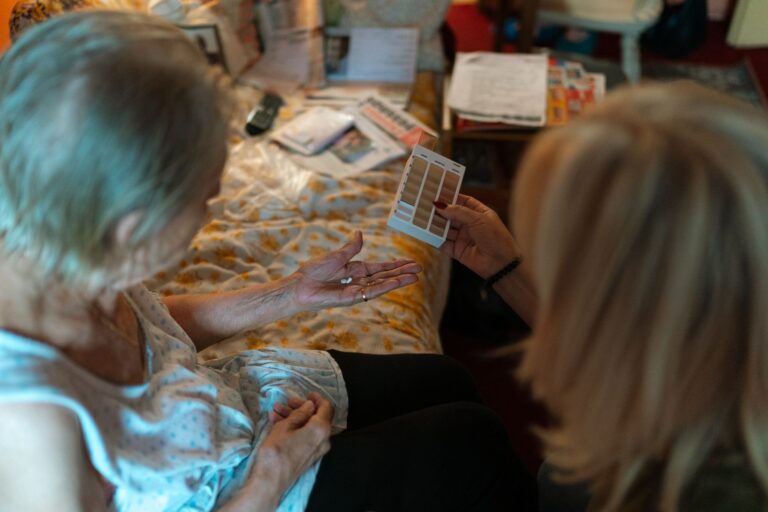
A doctor appointment checklist for dementia is a structured list of information, questions, and documents you prepare before and during each medical visit—designed to ensure nothing important gets missed and to help your loved one receive the most appropriate care. This becomes essential because dementia affects memory, communication, and the ability to describe symptoms accurately, meaning both you and the doctor must work from more detailed context than a typical appointment allows.
For example, your father might not remember that he’s been waking up three times a night or that he’s been refusing to eat breakfast, but these details are exactly what his neurologist needs to adjust his medication or identify a treatable problem like sleep apnea or depression. Without a checklist, appointments often become reactive conversations focused on whatever symptom the patient mentions first, rather than a comprehensive assessment of how the disease is progressing and how the medications are actually working in daily life. A caregiver walking into an appointment armed with prepared notes, a list of current medications, recent behavior changes, and pre-written questions gets dramatically better results: doctors spend less time asking follow-up questions they won’t get accurate answers to, and more time on decisions that matter.
Table of Contents
- Why Dementia Appointments Require Extra Preparation
- Gathering Medical Records and Current Medications Before the Visit
- Questions That Matter at Each Appointment
- Organizing Notes and Documents in an Accessible Format
- Managing Communication Between Multiple Doctors and Specialists
- Handling Behavioral or Emotional Changes That Doctors Need to Know About
- Tracking Changes Between Appointments and When to Call Sooner
- Frequently Asked Questions
Why Dementia Appointments Require Extra Preparation
Medical appointments for dementia patients operate differently from routine checkups because the patient themselves may not be a reliable historian. A person with moderate dementia might sit in the neurologist’s office and say “I’m fine” while simultaneously experiencing significant confusion at home, medication side effects that are affecting their mood, or subtle declines that have gone unnoticed because they happen gradually. This isn’t the patient being uncooperative—it’s the disease itself affecting insight and memory.
The caregiver becomes the primary information source, which means you need to show up prepared with specific observations rather than general impressions. Doctors also appreciate appointments where the caregiver has done advance work, because it changes the dynamic from “tell me what’s wrong” to “here’s what we’ve observed, what do you think this means.” A neurologist can spend fifteen minutes asking your mother about her sleep, or you can hand them a one-page note saying she’s sleeping nine hours a night, waking up confused, and sometimes sleepwalking. The second approach is faster and more useful. Some specialists will admit they see cognitive changes at the appointment itself that differ from what the caregiver reports—the “white coat effect”—so written observations over time become the actual source of truth.
Gathering Medical Records and Current Medications Before the Visit
Before each appointment, you need a complete list of every medication your loved one is taking, including over-the-counter medications, supplements, and herbal products, because drug interactions and side effects are a leading cause of cognitive decline in older adults—and doctors can’t manage something they don’t know about. Write down the name, dosage, frequency, and when the medication was started. Many caregivers miss OTC drugs like sleep aids, allergy medications, or cold medicines their family member picked up themselves or that another doctor prescribed, leading to situations where the neurologist can’t explain why the patient is more confused than expected.
You’ll also want copies of recent lab work, imaging results, and any previous cognitive testing, because dementia doctors rely heavily on objective measurements to track decline. If your mother had an MRI six months ago and had her mini-mental state examination scored at 18, the current score matters most when compared to that baseline. A limitation here is that many doctors’ offices are disorganized about sharing records, and you may need to request them explicitly weeks in advance rather than assuming they’ll pull them before the appointment—one caregiver spent an entire appointment discussing whether medications should be adjusted while critical recent blood work showing kidney problems never made it to the doctor’s desk.
Questions That Matter at Each Appointment
The questions you ask depend partly on the stage of disease and the specialist you’re seeing, but some questions apply universally. Always ask “Are there any warning signs I should watch for that would mean we need to come back sooner or go to the emergency room?” because caregivers often miss red flags—a sudden change in mood, severe confusion, difficulty swallowing, or loss of continence might signal an infection, medication problem, or progression that needs intervention. Ask “Is there anything in her daily routine or medication timing I should change?” because doctors often have specific recommendations that don’t get communicated clearly unless you ask directly.
A third critical question is “How fast do you expect this to progress, and what changes should I anticipate in the next 3-6 months?” because this helps you prepare logistically and emotionally, and it’s a question many caregivers don’t ask because they’re afraid of the answer. Alternatively, some caregivers report that asking this directly led to earlier conversations about care planning, advanced directives, or support services they wished they’d started sooner. One comparison worth noting: doctors who get asked specific outcome questions tend to give more detailed answers than doctors who get vague “What’s next?” questions, so specificity in your questions directly improves the quality of information you receive.
Organizing Notes and Documents in an Accessible Format
The most effective format for caregiver observations is a one-page document organized by symptom category, with specific dates and frequencies: memory/confusion, mood/behavior, physical changes, medication side effects, and functional decline. For example, instead of “He’s getting worse,” write “He’s confused about the day of the week every morning, got lost driving to the grocery store on June 15th, and has asked me the same question about dinner plans four times today.” This takes a few extra minutes but transforms a vague statement into something a neurologist can actually interpret and act on. A practical limitation is that you can’t capture everything, and some caregivers become paralyzed trying to document every symptom perfectly.
The solution is to focus on changes—what’s different from the last appointment or the last few weeks—rather than trying to catalog every single thing the patient does. Keep a simple rolling note on your phone throughout the week where you jot down the day and a two-sentence observation about anything unusual, then synthesize those bullet points into a summary before the appointment. This takes five minutes per week rather than trying to remember three weeks of details from memory.
Managing Communication Between Multiple Doctors and Specialists
If your loved one sees both a primary care doctor and a neurologist, ensure both have a current medication list and recent imaging results, because a family medicine doctor and a dementia specialist sometimes make different assumptions about what the other doctor is managing. One caregiver discovered that her mother’s primary care doctor had prescribed a blood pressure medication that the neurologist considered risky for dementia patients, but the two doctors had never discussed it because the patient was seeing both on different days. A designated medical record—even a simple folder with copies of recent visits, lab work, and medications—can prevent these gaps.
Some doctor’s offices now use shared electronic records systems, but many don’t, especially if your loved one sees specialists across different hospital systems. The tradeoff is between spending time coordinating records yourself and having a half-accurate shared record that the doctors reference, versus keeping your own careful documentation that you bring to every appointment. The second option is more work but more reliable, particularly if the primary doctor isn’t actively coordinating care. One warning: never assume the neurologist’s office has called the primary care doctor with updates, or vice versa—ask each doctor directly and follow up with a phone call if a critical decision needs coordination.
Handling Behavioral or Emotional Changes That Doctors Need to Know About
Dementia frequently comes with depression, anxiety, or personality changes, but caregivers sometimes hesitate to mention these because they seem like emotional issues rather than neurological ones. In fact, behavioral changes are medical information that doctors need—they can signal disease progression, medication side effects, pain that the patient can’t articulate, or depression that’s treatable with medication or therapy. A specific example is a patient who becomes unusually aggressive; this might be advanced dementia, but it might also be a urinary tract infection, medication side effect, or sleep deprivation, all of which are treatable.
The challenge is that doctors have limited time and you might worry about seeming like you’re complaining rather than reporting symptoms. The solution is to frame behavioral changes the same way you frame physical changes: “He’s become more irritable over the past three weeks, particularly in the evenings” rather than “He’s being really difficult.” Doctors respond well to specific, time-bound observations. One limitation to understand is that not every behavioral issue can be solved, and some changes reflect the underlying disease process—but caregivers often don’t ask this question directly, meaning they spend months trying different strategies for something that requires acceptance and adaptive caregiving rather than treatment.
Tracking Changes Between Appointments and When to Call Sooner
Between appointments, keep a simple record of significant changes, ideally organized by date so you can show patterns. Write down memory problems that stand out, mood shifts, medication timing issues, new symptoms like tremors or difficulty swallowing, and changes in daily functioning like bathing or eating.
This record becomes the foundation of what you bring to the next appointment and helps you identify whether you need to call the doctor sooner—a sudden personality change, new confusion, difficulty swallowing, or fever in a dementia patient should prompt an immediate call, not a wait-and-see approach. A practical detail many caregivers miss is that you should keep these notes even when things seem stable, because your baseline observations from calm periods make it easier to recognize when something is actually changing versus when you’re simply tired or stressed. A neurologist once told a caregiver that the appointment notes she’d kept over six months were “more useful than an MRI” because they showed exactly which symptoms came first and how fast the decline was happening, giving clear evidence that the disease was progressing more aggressively than the cognitive score alone suggested.
- —
Frequently Asked Questions
What’s the minimum information I absolutely need to bring?
A current medication list with dosages, a note of significant changes since the last appointment, and your written questions. These three items prevent most critical gaps.
Should the person with dementia read my notes, or should I keep them private?
Keep them private. Your goal is an honest caregiver report, and some patients become defensive or upset seeing observations about their declining abilities. The doctor will discuss relevant findings with the patient directly.
How detailed should my behavioral observations be?
Specific enough that someone reading your notes could picture the situation: “He woke up confused about the year and didn’t recognize me for ten minutes” tells a doctor more than “He had a bad morning.”
What if the doctor seems dismissive of my observations?
Ask directly: “I’m concerned about X because I see it every day. Do you think this is normal progression, or should we investigate?” If the doctor remains dismissive across multiple visits, it may be time to find a specialist who takes caregiver input seriously.
Should I record the appointment on my phone?
Check your state’s recording consent laws first. Even where legal, many doctors are uncomfortable with recordings. Note-taking is more practical and less likely to make the doctor defensive.
Who should come to the appointment—just me, or should other family members attend?
One consistent caregiver is ideal so the doctor isn’t hearing conflicting information. If multiple family members want updates, have one person attend and brief the others afterward, or have the doctor schedule a separate family meeting if major decisions need discussion. —