How to Simplify Dancing When Dementia Abilities Change
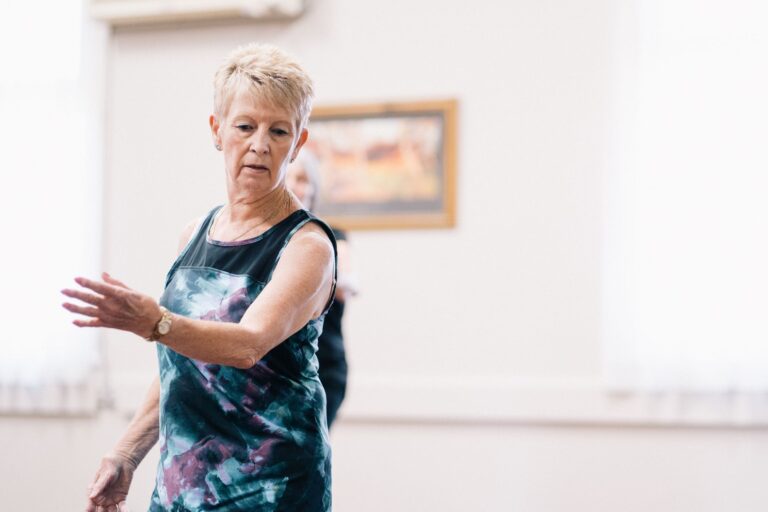
Learn seated steps, music cues, and rest-friendly routines that keep dancing safe and joyful.
Learn seated steps, music cues, and rest-friendly routines that keep dancing safe and joyful.

Use brief seated or standing dances to support thinking, balance and mood while caregiving.
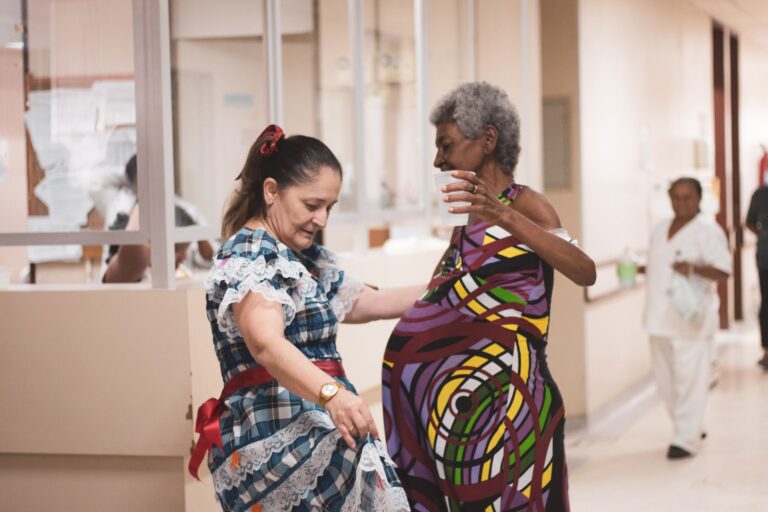
Learn safe adapted steps, music cues, and session tips that help late-stage dementia join and enjoy dance.

Set up a clear, well-lit space with a sturdy chair and simple steps for safer dementia dancing.
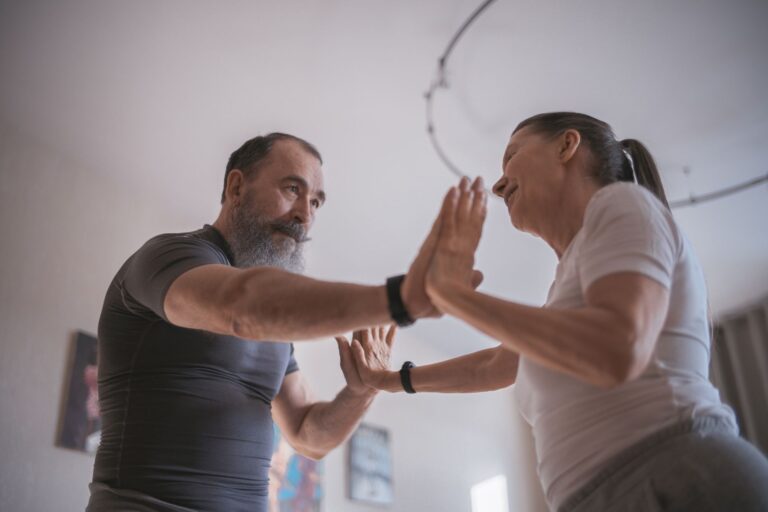
Learn simple music-and-movement ideas that invite participation, lift mood, and ease daily care.
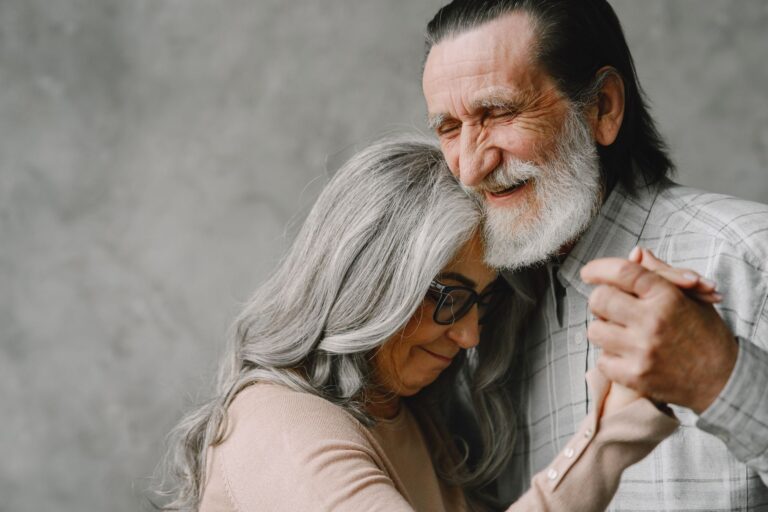
Adapt music, movement, and supervision by dementia stage for safer, more joyful dance at home.

Plan weekly tambourine and shaker sessions that lift mood and ease agitation in dementia care.

Learn which simple drumming activities boost connection and when to adjust for dementia stage.
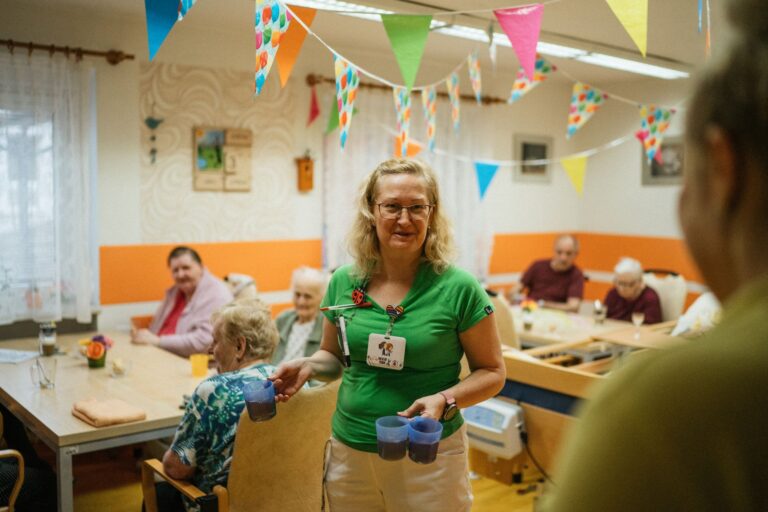
Plan one weekly sing-along plus short familiar songs on good days to support mood and time together.
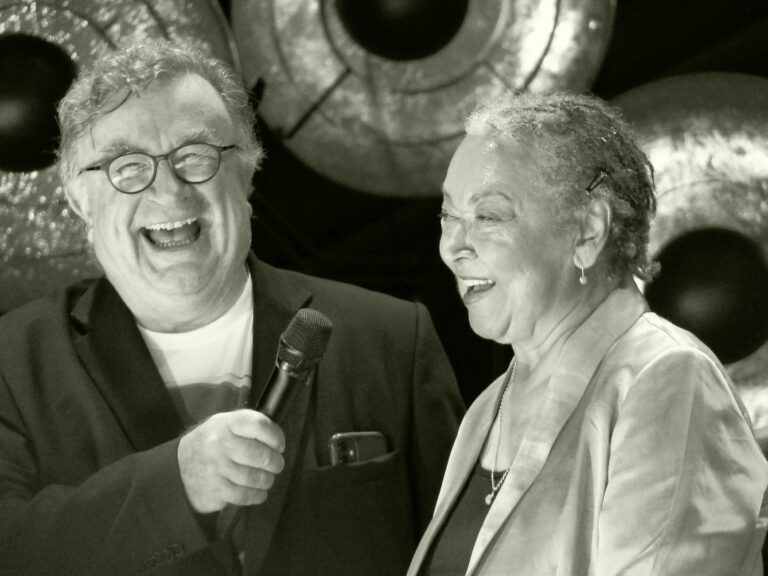
Learn which sing-along formats aid attention and mood, and how to lead calm, inclusive sessions.
HelpDementia.com
Dementia, Alzheimer's, Caregiving & Healthy Aging Guidance
© 2026 HelpDementia.com. All rights reserved.
Educational information only. It is not medical advice and does not replace care from a qualified clinician.