10 Great Activity Ideas for People with Dementia
Dementia is a complex disease that affects millions of people worldwide. It is a progressive…
Dementia is a complex disease that affects millions of people worldwide. It is a progressive…
Physical activity has been shown to have many benefits for people with dementia. Not only…
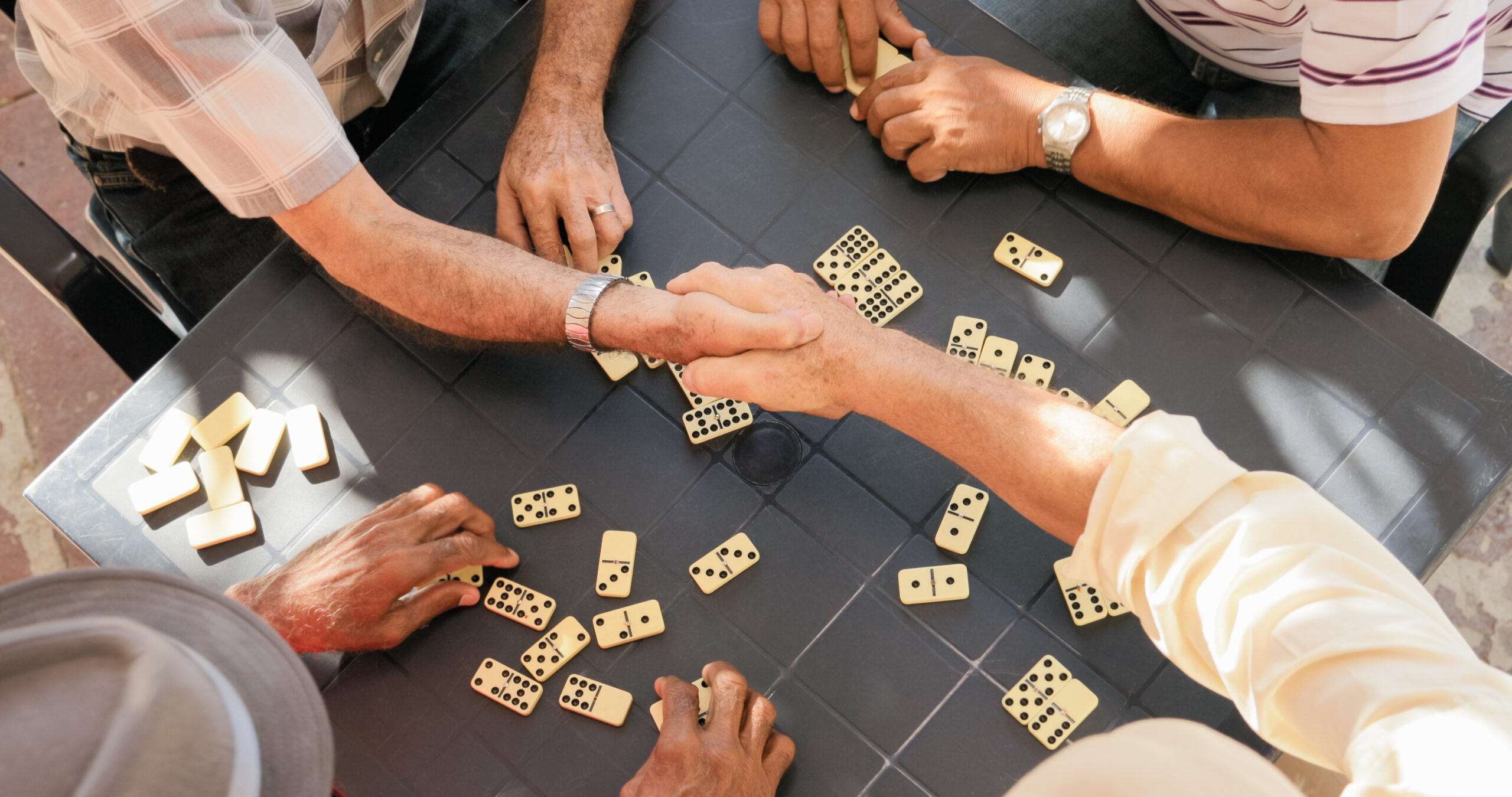
It's safe to say that most people are familiar with the game of dominoes. While…
Chess can be good for individuals with dementia. Chess is a strategic game that requires…
Dementia is a progressive neurodegenerative disease that affects memory, thinking, behavior, and the ability to…
Writing can be an extremely healing, meditative, and beneficial activity for people with dementia. Journaling…
Dementia is such an incredibly complex condition that affects memory, cognitive abilities, and mood. Research…
Dementia is a condition that affects memory, cognition, and behavior, and it can be difficult…