Activities for Early Dementia Beyond Bingo and Crafts
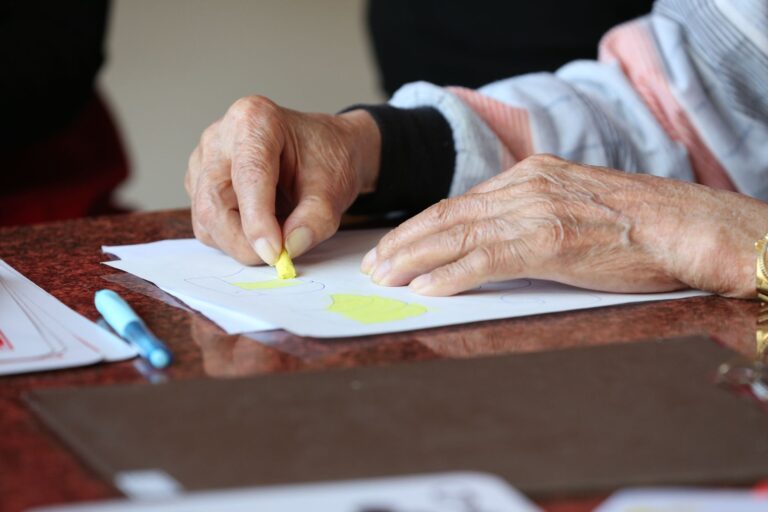
Learn which group, music and daily activities best support thinking and mood in early dementia.
Learn which group, music and daily activities best support thinking and mood in early dementia.

Match short chores, sensory contact, and music to her energy for a calmer, kinder full day together.

Learn how to simplify sewing steps, reduce safety risks, and keep the craft calm and meaningful.
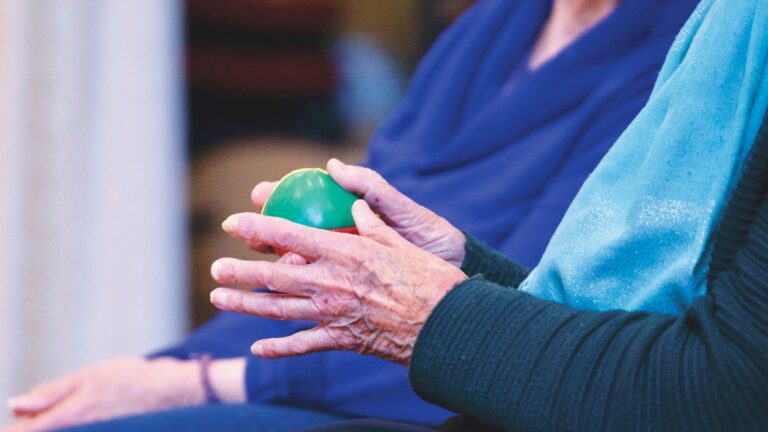
Turn a loved one's work history into calm daily tasks that build focus and ease caregiving stress.

Small steps, simple patterns, and watching for early frustration signs keep knitting calming instead of stressful for someone with dementia.

Facial relaxation, spontaneous chatter, and steady hands during knitting are the clearest caregiver cues that the activity is working.

How memory care staff decide between a knitting circle and one-on-one support, and where twiddle muffs fit when knitting itself is no longer possible.

A stage-by-stage way to keep knitting possible as dementia changes ability, from dropping the pattern to a yarn-sorting substitute.

A caregiver's path from finger-knitting to a finished twiddle mitt, matched to what dementia still allows at each stage.

Why knitting can still work after memory fades — and the needle, yarn, and supervision changes that make it safe at each stage.
HelpDementia.com
Dementia, Alzheimer's, Caregiving & Healthy Aging Guidance
© 2026 HelpDementia.com. All rights reserved.
Educational information only. It is not medical advice and does not replace care from a qualified clinician.