Using Hearing Aids for Brain Health: A Practical Dementia Prevention Guide

Learn who may benefit from hearing aids, when to seek testing, and why they cannot guarantee dementia prevention.
Learn who may benefit from hearing aids, when to seek testing, and why they cannot guarantee dementia prevention.

Match balloon play to changing abilities with practical cues, safer formats, and clear signs that it is time to stop.

See who may benefit most, why studies disagree, and how to treat hearing loss without assuming dementia prevention.
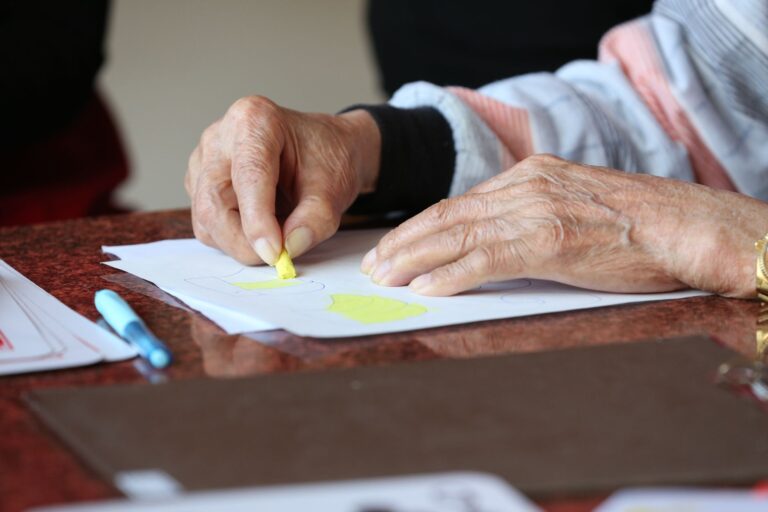
Build a safer weekly plan with two nonconsecutive strength days, balanced movement, and clear reasons to stop.

Learn how genes, vascular health, prolonged sitting, and study timing shape inactivity-related dementia risk.

Learn why inactivity may precede an Alzheimer's diagnosis without causing it—and how to act on the evidence.
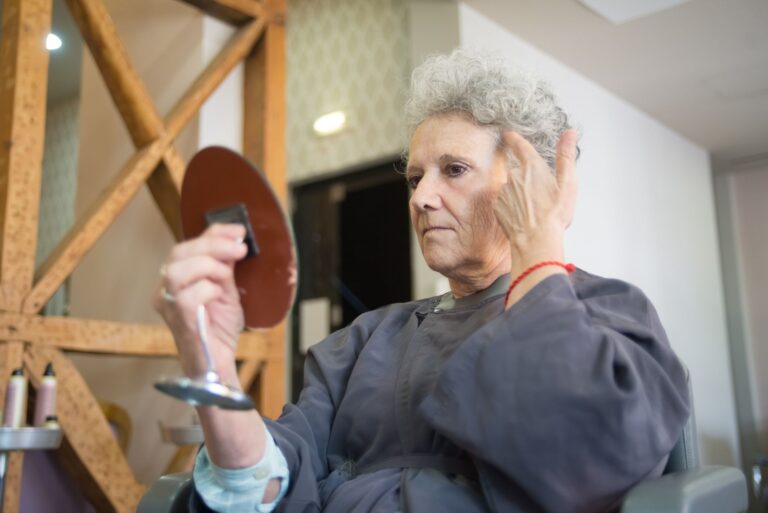
Learn which expressions, comments, and participation patterns may show enjoyment—and when discomfort outweighs engagement.

Learn when to act on inactivity, how much movement to target, and why exercise lowers risk without guaranteeing prevention.

Compare group and one-on-one strength routines, then adapt simple movements to attention, balance, and support needs.

Learn what movement can realistically improve after dementia—and how to build a safer daily routine.
HelpDementia.com
Dementia, Alzheimer's, Caregiving & Healthy Aging Guidance
© 2026 HelpDementia.com. All rights reserved.
Educational information only. It is not medical advice and does not replace care from a qualified clinician.