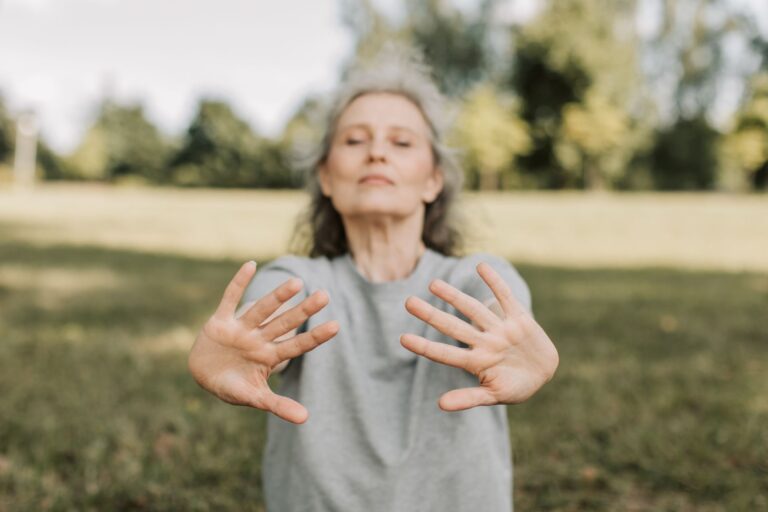
After age 65, building balance training into a dementia prevention routine means adding balance sessions to a weekly plan that already includes aerobic activity and muscle strengthening. Balance training means practiced moves that steady you while standing, shifting weight, and walking. A realistic week pairs at least 150 minutes of moderate aerobic activity with strengthening and balance work. This mix supports walking, independence, thinking skills, and lower fall risk while fitting into ordinary days.
Medical information disclaimer: This article is for general educational purposes only and does not provide medical advice, diagnosis, or treatment. Always consult a physician or other qualified health professional about symptoms, medications, tests, or treatment decisions.
Table of Contents
- What does a balanced week include?
- Why does steadiness matter for the brain?
- Which activities give the most combined benefit?
- How can you start safely and stay with it?
What does a balanced week include?
According to CDC older-adult guidelines, CDC guidance updated in 2025 says adults 65 and older need aerobic activity, muscle-strengthening, and balance training each week. Aerobic activity can be brisk walking in 10- to 30-minute blocks. Strengthening can use bands, light weights, body weight, or hill walking.
Balance work can be short and frequent rather than long and tiring. Try heel-to-toe standing near a counter, weight shifts, side steps, or single-leg stands with support nearby. Aim for a few minutes on most days, then add time as steadiness improves.
- Walk for aerobic fitness, most days if possible
- Strengthen major muscles on two days
- Add brief balance practice, with hand support available
- Leave one easier day for gardening, stretching, or rest
Why does steadiness matter for the brain?
Falls can change daily life fast through fracture, head injury, and less walking and social activity. CDC fall resources report that more than one in four Americans 65 and older reports falling each year, with about 43,000 fall deaths yearly, as described in CDC fall prevention resources.
Staying steady helps protect activity, and activity supports brain health. The World Health Organization strongly recommends regular physical activity for adults with normal cognition to reduce risk of cognitive decline. Dementia also has many contributors, including hypertension, diabetes, isolation, hearing loss, and physical inactivity.
Which activities give the most combined benefit?
Some sessions train more than one skill at once. CDC notes that tai chi, yoga, gardening, and many sports count as multicomponent exercise because they combine aerobic, strengthening, and balance demands, according to what counts as activity for older adults.
Tai chi with added thinking challenges shows special promise. In a 2023 trial of 318 older adults with memory concerns, one-hour cognitively enhanced Tai Ji Quan twice weekly for 24 weeks improved global cognition and dual-task walking. Dual-task walking means walking while doing a mental task, such as counting or naming items.
How can you start safely and stay with it?
Most older adults do not meet exercise targets, so a slow start is normal. CDC survey data found only about 14% of adults 65 and older met federal aerobic-plus-strengthening guidelines in 2022, as reported in the federal health statistics report. Start with support, clear floors, good light, and sturdy shoes.
Use a counter, chair, or wall for balance moves. Stop and get advice if you have chest pain, dizziness, a recent fall, or a new walking problem. Exercise lowers risk but does not guarantee dementia prevention. Progress by adding a few minutes, one more balance repeat, or slightly harder support, such as one hand instead of two.