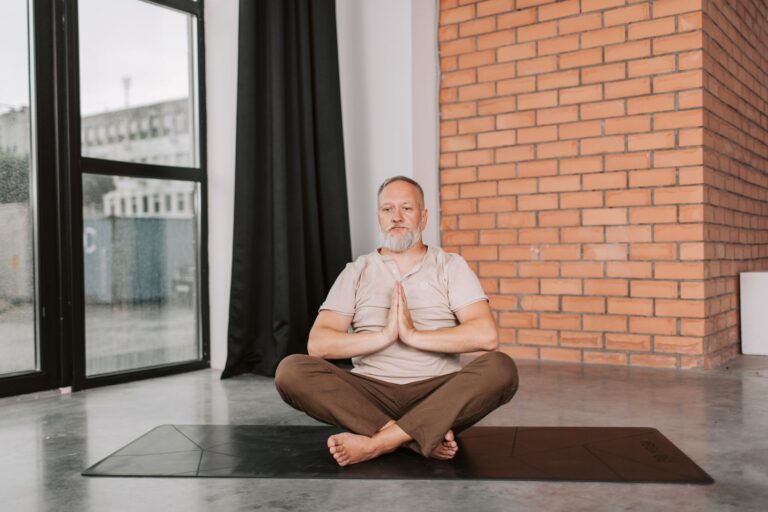
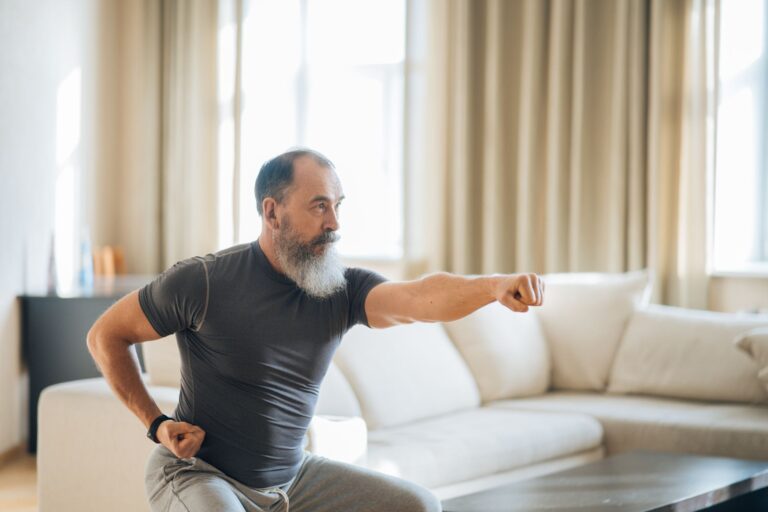
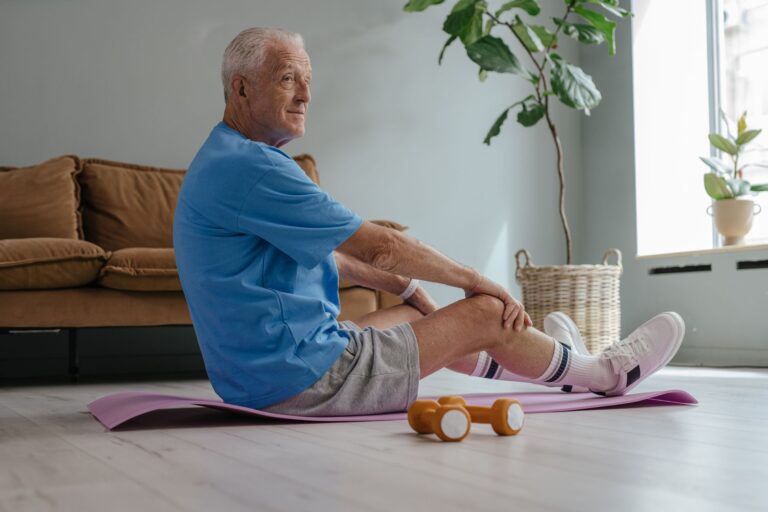
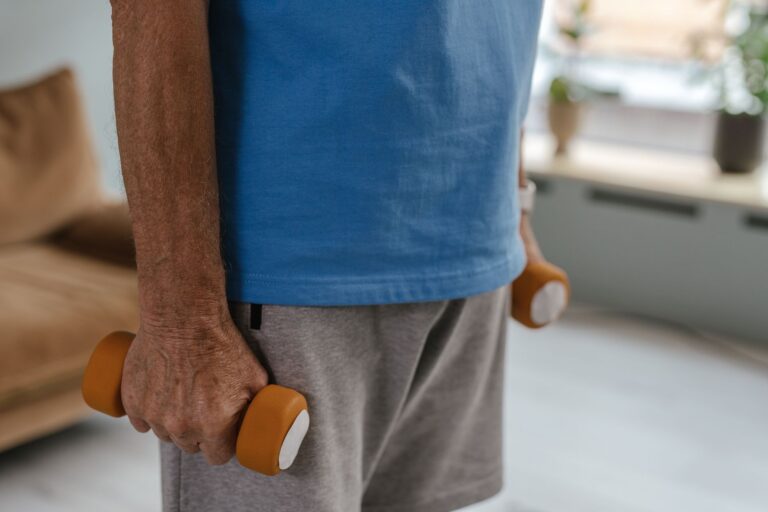
A realistic 2026 brain health plan pairs 150 minutes of weekly walking with full-body strength training on two days and weekly balance practice. That mix supports thinking skills, physical function, and fall safety while fitting busy schedules. Dementia prevention here means lowering risk through daily habits, not guaranteeing prevention.
The approach reflects current brain health guidance. Physical inactivity is one of 14 modifiable risks linked to dementia. Strength work now has direct support for attention and planning skills in older adults.
Medical information disclaimer: This article is for general educational purposes only and does not provide medical advice, diagnosis, or treatment. Always consult a physician or other qualified health professional about symptoms, medications, tests, or treatment decisions.
Table of Contents
- What does current guidance recommend?
- Why add strength training for the brain?
- What does a realistic week look like?
- How should beginners stay safe and consistent?
What does current guidance recommend?
Adults age 65 and older need aerobic activity, muscle strengthening, and balance work together. The CDC older-adult guidelines call for at least 150 minutes of moderate aerobic activity weekly plus strengthening on two or more days. Balance practice is the third part. CDC guidance says combined activity improves physical function and lowers fall or fall-injury risk.
Falls can reduce activity, independence, and social contact. WHO guidance also points the same way. WHO strongly recommends regular physical activity to reduce cognitive-decline risk in adults with normal cognition. Its July 2026 update keeps exercise, healthy diet, no tobacco, cleaner air, and hearing care central.
Why add strength training for the brain?
Strength training builds leg, hip, and upper-body power needed for stairs, shopping, and getting up safely. Those abilities keep people active, and staying active supports brain health. Muscle work also adds variety when walking alone feels boring. Recent trials link resistance exercise to sharper executive control.
Executive control means planning, focusing, switching tasks, and blocking distractions. One 12-week lower-limb program in 70 adults ages 60 to 85 improved executive control and showed changes in brain areas affected early in memory decline. Benefits may not require heavy weights. In 295 frail adults averaging age 74, twice-weekly resistance training to volitional failure improved executive function, mood, and quality of life similarly from light to heavy loads, as reported by Scienmag. Volitional failure means stopping when another good repetition is not possible.
What does a realistic week look like?
Walk 30 minutes on five days at a pace that raises breathing but allows talk. Add two short full-body strength sessions on nonconsecutive days. Add brief balance practice twice weekly, such as heel-to-toe stands or single-leg stands near a counter.
A strength session can take 20 to 30 minutes. Include one move each for legs, push, pull, and trunk. Use bands, dumbbells, machines, or body weight with slow control.
- Warm up two to three minutes with marching or easy cycling
- Do 1 to 2 sets of 8 to 12 repetitions per move
- Rest one to two minutes between sets
- Stop a set when form slips or fatigue prevents a clean repetition
- Add balance practice for five minutes after walking
How should beginners stay safe and consistent?
Start light, learn form, and progress slowly. Ask a clinician before starting when chest pain, dizziness, uncontrolled blood pressure, joint surgery, or a recent fall is present. A physical therapist or certified trainer can check form for squats, hinges, presses, and rows. Track sessions on paper or a phone note.
Note exercises, weight, sets, and effort. Keep walking shoes, bands, and a sturdy chair in one spot to lower friction. Expect small trials behind these results. Most resistance-cognition trials are small and last about 12 weeks, so the ideal dose is still being worked out, according to WHO evidence reviewed in Frontiers in Neurology. Keep the habit simple enough to repeat for months: walks plus two strength days plus balance practice.