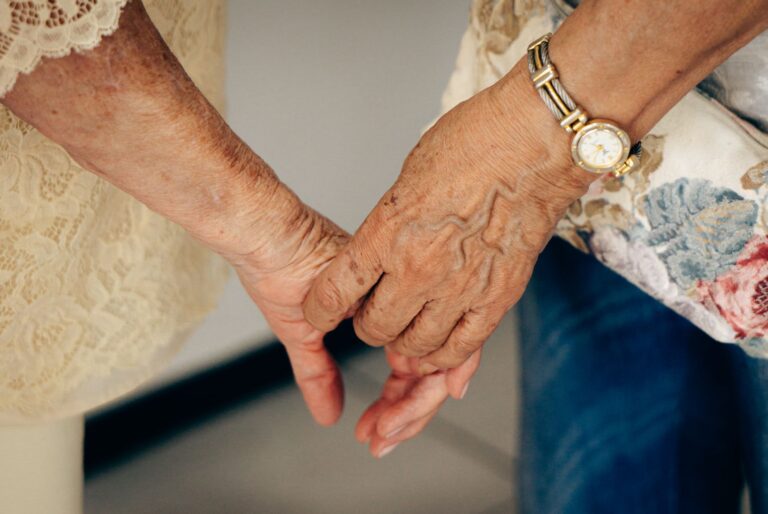
In 2026, Medicare-linked dementia data priorities studied full-time spouses and partners caring at home for a person with dementia in Traditional Medicare. Adult children, friends, part-time helpers, Medicare Advantage families, and long-term nursing-home spouses were largely not included. Medicare-linked data here means surveys joined to Medicare enrollment or claims to track health use and costs. That design shapes who counts, which couples can be followed over time, and which spouses stay invisible to planners.
Medical information disclaimer: This article is for general educational purposes only and does not provide medical advice, diagnosis, or treatment. Always consult a physician or other qualified health professional about symptoms, medications, tests, or treatment decisions.
Official resources:
- Register through NIH’s official page — Use this page to review requirements and register directly.
- Read the original research from NIH — Use this page to review the original research.
Table of Contents
- Which spouses and partners were invited in?
- Which couples did Medicare claims follow together?
- How did cost models count non-Medicare partners?
- Who is outside GUIDE benefits and what helps now?
Which spouses and partners were invited in?
The Alzheimer's Foundation of America opened a national online study for spouses and long-term partners caring for someone with Alzheimer's or related dementia, measuring physical and mental health, stress, brain function, relationships and quality of life, according to the Foundation national online study for spouses and partners. No in-person visits are required, which lowers travel burden for home-based caregivers.
HomeCare Magazine reports that study enrolls only full-time primary caregivers of a spouse or partner with dementia. Adult children, friends, former caregivers outside the criteria, and non-primary or part-time helpers are excluded from that sample.
Which couples did Medicare claims follow together?
A Health and Retirement Study analysis linked to Medicare claims studied 924 community-dwelling dyads from 2000-2018 where both partners were age 65 and older and in fee-for-service Medicare, according to the Gerontological Society of America abstract analysis of 924 community-dwelling dyads. It tested how spouse-care intensity relates to the caregiving spouse's own healthcare use.
That paired design captures two-person health effects inside Traditional Medicare. It does not follow couples where one or both partners lack fee-for-service coverage, live in long-term residential care, or are under 65.
How did cost models count non-Medicare partners?
The USC-led 2026 U.S. dementia-cost model estimated 5.7 million people with dementia, 5.2 million unpaid caregivers providing 6.8 billion hours valued at 237 billion dollars, plus 222 billion dollars in medical and long-term care costs, according to the USC Schaeffer Center U.S. dementia-cost model for 2026.
Those totals show the scale of unpaid spouse and partner work. The cost-model paper states it used Medicare Current Beneficiary Survey data for Medicare enrollees and Medical Expenditure Panel Survey data for non-enrollees. Non-Medicare spouses and partners are therefore captured separately rather than inside Medicare spending.
Who is outside GUIDE benefits and what helps now?
Medicare's 2026 GUIDE dementia model covers only community-dwelling Traditional Medicare Parts A and B beneficiaries with clinician-confirmed dementia, according to the Centers for Medicare and Medicaid Services GUIDE model eligibility rules. Baker Tilly's summary of those criteria notes that Medicare Advantage, PACE, hospice, and long-term nursing-home residents and their spouses fall outside GUIDE respite and navigation benefits.
Spouses in those excluded groups, caregivers without internet access, and part-time helpers remain unseen in these priority datasets. Providers should screen partner health directly and connect families to local non-GUIDE supports.
- Check GUIDE fit: Traditional Parts A and B, dementia diagnosis, living at home
- If excluded: ask clinic, Area Agency on Aging, or dementia group for respite options
- Track partner sleep, mood, memory, blood pressure, and missed care visits
You Might Also Like
- The $100 Million PROTECT-Cog Alzheimer’s Study Announced in 2026: Who Was Studied and Who Was Not for People With Mild Cognitive Impairment
- UAS-CLEAR Dementia Care Research Data Priorities in 2026: What Is Established and What Remains Uncertain for Adults With Memory Concerns
- NHATS and NSOC Dementia Care Data Priorities in 2026: What Is Established and What Remains Uncertain for Adults With Memory Concerns