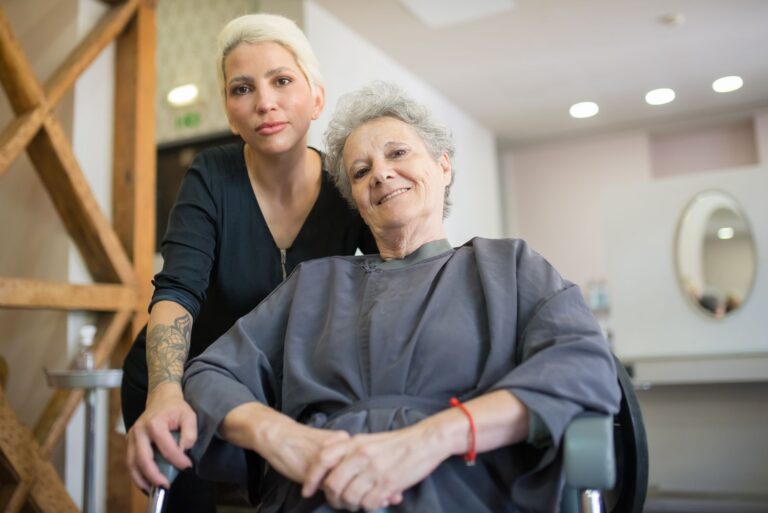
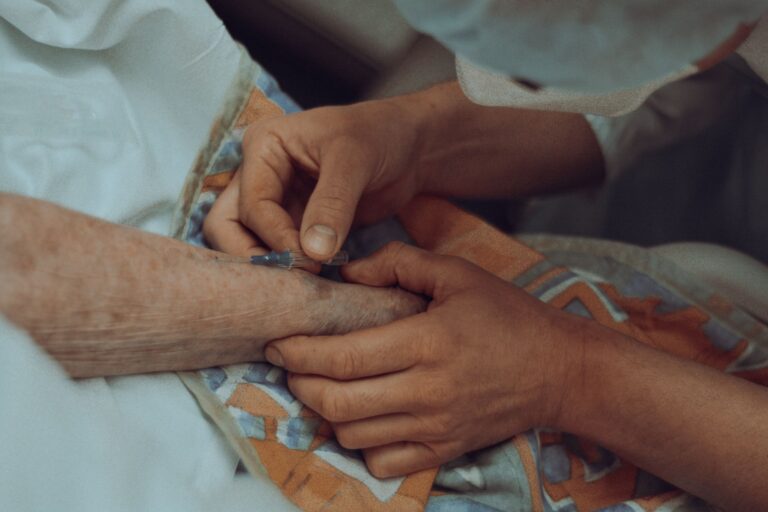
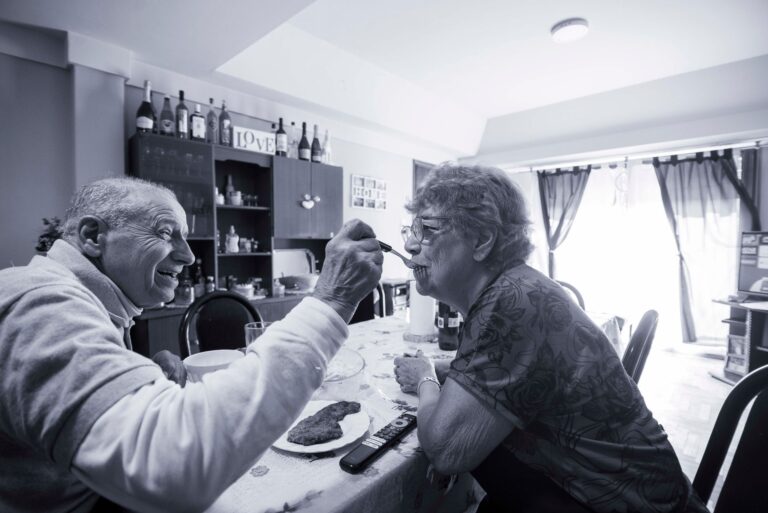
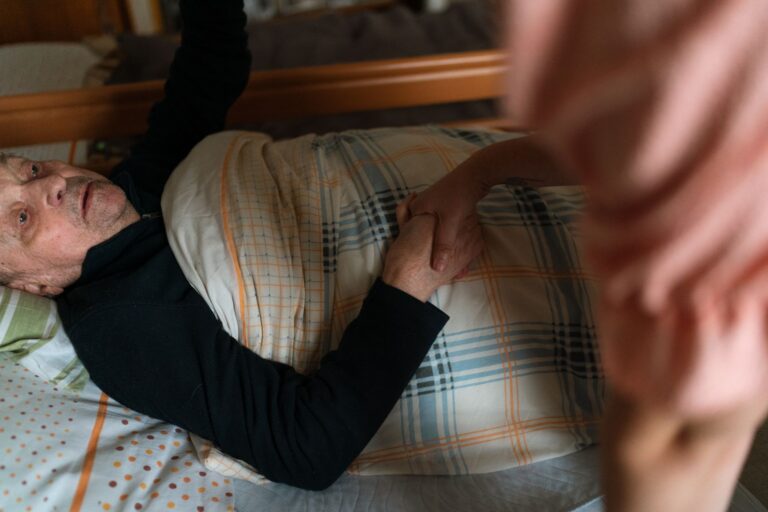
For family caregivers in 2026, what comes next is earlier attention to memory concerns plus practical support for the caregiver's own health. Subjective cognitive decline (SCD) means self-reported worsening confusion or memory loss in the past year, and caregivers report it more often than noncaregivers. The stakes are high because dementia care still rests largely on families. Nearly 12 million family members and friends provide unpaid dementia care, a scale that makes caregiver brain health a public health issue.
Medical information disclaimer: This article is for general educational purposes only and does not provide medical advice, diagnosis, or treatment. Always consult a physician or other qualified health professional about symptoms, medications, tests, or treatment decisions.
Table of Contents
- Why are caregivers at higher risk?
- What happens when symptoms stay silent?
- Who carries the heaviest burden?
- What should public health do next?
Why are caregivers at higher risk?
About 1 in 8 unpaid caregivers ages 45 and older reported SCD, compared with about 1 in 10 noncaregivers. The CDC reported this gap in 22 states during 2015-2019 in its caregiver-focused MMWR. That gap matters because caregiving can drain sleep, time, and medical attention.
When caregivers notice worsening memory, it may reflect stress, poor sleep, depression, chronic illness, or early cognitive change. Caregivers with SCD were more likely than caregivers without SCD to report chronic health conditions, a history of depression, and frequent activity limitations. Public health action in 2026 therefore starts by treating the caregiver as a patient too.
What happens when symptoms stay silent?
Many adults change daily life because of symptoms but do not tell a clinician. In 2020 national survey data, 41.2% of adults with SCD had given up household chores because of symptoms and only 45.6% had discussed symptoms with a health care provider, according to CDC analysts in their chronic-disease report.
Giving up chores, cooking, bills, driving, or medication tasks is a warning sign. It signals lost independence and higher safety risk for both the caregiver and the person receiving care. Families can act sooner with a short routine:.
- Write down examples: missed doses, lost items, repeated questions, getting lost.
- Bring the list to a primary-care visit and ask for a memory check.
- Ask what may be treatable, such as sleep apnea, depression, hearing loss, or drug effects.
- Plan follow-up, work coverage, and backup help before a crisis.
Who carries the heaviest burden?
SCD affects an age-adjusted 9.6% of U.S. adults age 45 and older, but the burden is uneven. The CDC found higher prevalence in American Indian/Alaska Native, Black, and Hispanic adults than White adults during 2015-2020 in its national SCD report.
Fewer than half of adults with SCD overall had discussed symptoms with a clinician. That care gap can be wider where clinics are scarce, time off is unpaid, language services are thin, or distrust runs deep. For caregivers, unequal access has direct effects. A missed visit can delay help for depression, blood pressure, diabetes, hearing loss, and daily-function problems that make caregiving harder and less safe.
What should public health do next?
The next step is local and concrete: find caregivers with memory concerns, connect them to care, and reduce daily strain. The Healthy Brain Initiative Road Map 2023-2027 gives state and local public health 24 actions to improve brain health and support caregivers. Health departments can add one memory question to caregiver screenings, referrals, and wellness checks.
Clinics, aging agencies, faith groups, and employers can share the same next step: talk with a provider, treat linked health issues, and get respite, training, and benefits help. In 2025, about 7.2 million Americans age 65 and older lived with Alzheimer's disease. Paid care costs alone were projected at $384 billion, excluding unpaid care, so keeping family caregivers healthy also protects the wider care system.
You Might Also Like
- Maine’s 2026 ECHO Training for Dementia Risk Reduction: What Comes Next for Family Caregivers
- Serious Illness and End-of-Life Dementia Research Priorities in 2026: What Family Caregivers Can Check in Their Community
- CMS GUIDE and Other Dementia Care Models Under Review in 2026: A 2026 Action Checklist for Family Caregivers