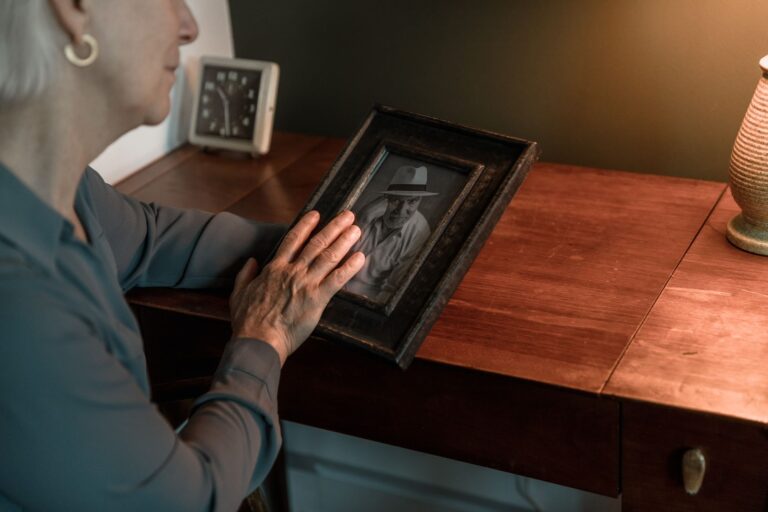
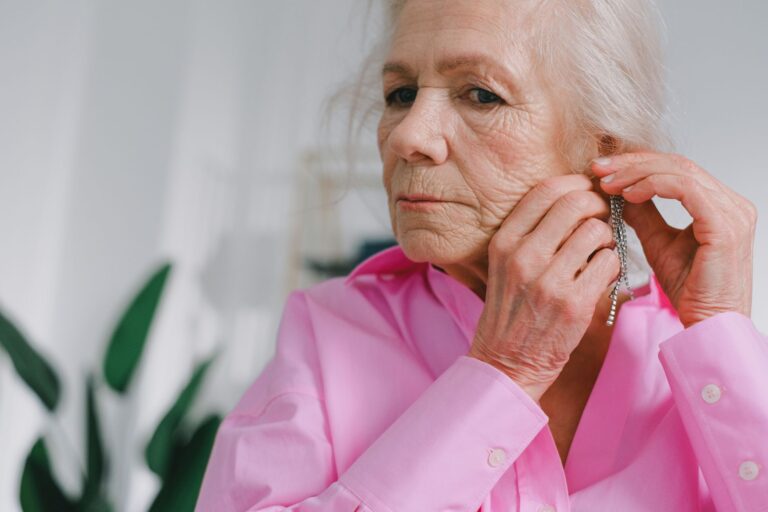
Brushing a parent's hair during dementia can carry affection, grief, role reversal, and a wish to preserve who that parent has always been. Its emotional weight comes from being both an ordinary grooming task and a visible sign that the parent now needs intimate help. Dementia means cognitive loss severe enough to disrupt daily life. In severe stages, a person may depend on others for basic personal care, according to the National Institute on Aging's dementia overview.
Medical information disclaimer: This article is for general educational purposes only and does not provide medical advice, diagnosis, or treatment. Always consult a physician or other qualified health professional about symptoms, medications, tests, or treatment decisions.
Table of Contents
- Why can a simple task feel so significant?
- How can families make brushing more person-centred?
- What does resistance mean?
- Making room for the caregiver's emotions
- What hair brushing can—and cannot—do
Why can a simple task feel so significant?
Hair brushing may recall earlier family roles: a parent preparing a child for school, sharing a mirror, or getting ready for an occasion. When the adult child becomes the helper, that reversal can make the progression of dementia feel painfully concrete. The task can also preserve continuity. A familiar part, hairstyle, brush, or grooming ritual may help the parent look recognizable to themselves and their family.
The Alzheimer's Association notes that grooming support is often necessary and that maintaining appearance may support positive self-esteem in its guidance on dressing and grooming. That meaning is not universal. One parent may enjoy the closeness, while another may experience the same touch as confusing or intrusive. The emotional value depends on the person's preferences and response, not on what the activity represents to the caregiver.
How can families make brushing more person-centred?
Person-centred care starts with the parent's established habits. The goal is not a perfect hairstyle but a familiar, dignified experience that allows as much participation as possible.
Helpful approaches include: A parent who cannot complete the task may still be able to hold the brush, choose a style, or indicate when to stop. These small decisions preserve control without making the activity unnecessarily complicated.
- Choose the usual time and place when possible.
- Use the person's familiar brush and favourite products.
- Offer two simple choices, such as "the blue brush or the brown one?"
- Demonstrate by brushing your own hair alongside them.
- Let the person complete any step they can manage.
What does resistance mean?
Resistance should be treated as communication rather than defiance. Intimate assistance can feel embarrassing, frightening, intrusive, or physically unpleasant, as the Alzheimer's Association explains in its personal-care guidance for dementia. Watch the parent's face, posture, hands, and voice.
Pulling away, guarding the head, becoming tense, or saying no may mean the person does not understand the task, dislikes the sensation, or wants more control. If distress develops: Consent remains important even when communication has changed. A caregiver's loving intention does not make unwanted touch comfortable for the parent.
- Stop or pause instead of forcing the task.
- Reintroduce the brush where the person can see it.
- Use a calm, brief explanation.
- Invite participation rather than taking over immediately.
- Try again later if grooming can safely wait.
Making room for the caregiver's emotions
Hair brushing can bring tenderness and sorrow into the same moment. A caregiver may value the closeness while grieving the parent's lost independence. Frustration, guilt, impatience, or numbness can also appear during repeated personal-care tasks. These reactions occur within a demanding family context.
The CDC reports that more than 11 million U.S. adults provided unpaid dementia care in 2023, and dementia caregivers face greater risks of anxiety, depression, and poorer quality of life than other caregivers, according to its caregiving and health summary. A difficult brushing session is not a measure of devotion. If emotions are rising, pausing may protect both people. Families can also divide grooming tasks according to comfort; the person who manages appointments does not have to provide every form of hands-on care.
What hair brushing can—and cannot—do
Hair brushing is personal care, not a dementia treatment. There is no direct evidence that it improves cognition or reliably improves mood, and research on personal-care interventions remains limited. Any benefit should therefore be described modestly: grooming may support familiarity, appearance, comfort, or connection for a particular person.
No FDA approval, formulation, clinical-trial eligibility rule, or safety label applies to brushing a parent's hair. Be cautious when products or services turn an ordinary act of care into a promised Alzheimer's treatment. Judge the activity by the parent's response. Continue when the person appears comfortable or engaged; change the approach or stop when brushing causes fear, resistance, or physical discomfort.