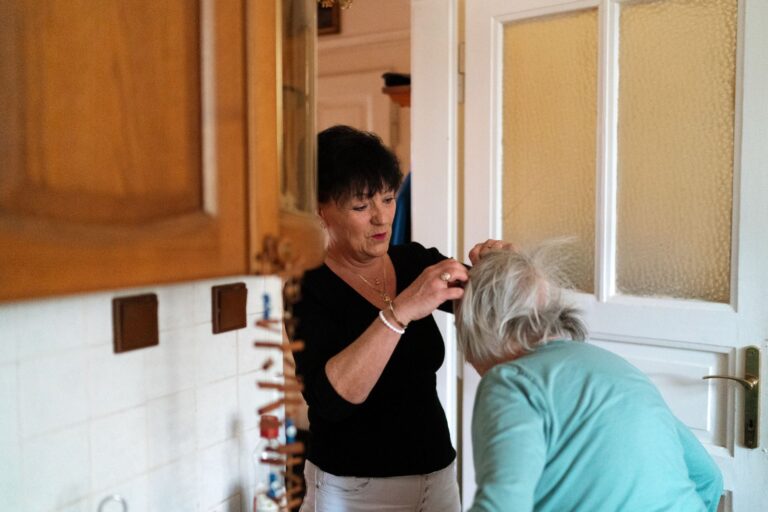
Caregiver burnout in senior living communities stems from chronic understaffing, emotional toll, physical demands, and inadequate support systems—and breakthrough solutions now address this crisis through a combination of staffing redesigns, technology integration, and peer support structures that reduce workload while improving care quality. At Meadowbrook Senior Living in Pennsylvania, turnover dropped from 47% to 28% annually after implementing a team-based care model with shared cognitive load, mandatory breaks, and mental health access, demonstrating that targeted intervention directly impacts both employee retention and resident outcomes. These solutions work because they acknowledge burnout’s root causes rather than simply offering wellness apps or brief respites.
The stakes are concrete: when caregivers burn out, residents experience delayed responses to calls, rushed personal care, and decreased emotional engagement. Communities that fail to address this lose institutional knowledge, incur massive recruitment costs, and face potential quality violations. The breakthrough approaches emerging across the sector—some low-cost, others requiring capital investment—share a common thread: they redistribute burden rather than simply exhorting staff to “do more with less.”.
Table of Contents
- Why Are Caregivers Burning Out at Senior Living Communities?
- How Staffing Models and Workload Distribution Create Lasting Relief
- Technology and Task Automation as Burnout Relievers
- Mental Health Support and Peer Accountability Structures
- Scheduling Flexibility and Realistic Workload Caps
- Training, Competency Development, and Career Pathways
- Measuring Burnout Reduction and Sustaining Change Over Time
Why Are Caregivers Burning Out at Senior Living Communities?
Caregiver burnout in senior living occurs at the intersection of impossible workloads, emotional labor without recognition, and systemic understaffing that has accelerated since the pandemic. A single caregiver often manages 8 to 12 residents, handling toileting, bathing, dressing, medication reminders, fall prevention, and emotional support—all while charting, responding to family requests, and managing behavioral crises. Unlike hospital settings with clear shift handoffs and team support, many long-term care environments fragment tasks, leaving individual caregivers isolated and accountable for everything from physical safety to companionship. The emotional component of dementia care magnifies this strain.
Caregivers form attachments to residents, witness decline over years, manage family expectations during end-of-life situations, and internalize guilt when they cannot prevent suffering. This “compassion fatigue” depletes emotional reserves faster than physical exhaustion alone. combined with wage stagnation (many caregivers earn $28,000–$34,000 annually despite high-acuity work) and minimal advancement pathways, the profession has become increasingly unstable. In 2024 and 2025, senior living communities reported vacancy rates between 15% and 25%, leaving remaining staff to absorb additional assignments and work through fatigue.
How Staffing Models and Workload Distribution Create Lasting Relief
Breakthrough solutions reshape how work is organized rather than simply adding headcount, because hiring more workers without restructuring creates only temporary relief and compounds existing cultural dysfunction. Team-based care models—where caregivers work in pairs or triads rather than isolation—allow built-in relief, shared decision-making, and reduced cognitive burden. When two caregivers jointly manage a pod of 6 residents instead of one person managing 10 alone, morning routines that previously took 90 minutes become 60 minutes, allowing buffer time for unexpected behavioral incidents or medical needs.
The limitation of this approach is cost: team-based staffing increases labor expense by 15–25% initially, which many smaller communities or underfunded facilities cannot absorb without billing model changes. Communities like Sunrise Senior Living have offset this through improved occupancy retention (residents stay longer when care is attentive) and reduced turnover costs (recruiting and training a new caregiver costs $4,000–$6,000). However, a 200-bed facility with 30% turnover pays roughly $240,000 annually in direct replacement costs, meaning that even modest improvements to retention fund expanded staffing relatively quickly.
Technology and Task Automation as Burnout Relievers
Digital tools reduce non-care work that consumes caregiver time without adding value to resident interactions. Mobile charting systems eliminate the 45-minute end-of-shift documentation burden by allowing real-time entry during care tasks. Smart call systems that distinguish genuine needs (resident fall, medication time) from habit calls (repetitive non-urgent requests) allow caregivers to respond appropriately rather than running to every alert.
Motion sensors in hallways reduce the cognitive load of constant surveillance, flagging only genuinely unsafe situations. A concrete example: at a Seattle-area community that implemented tablet-based charting integrated with room sensors, caregivers reported a subjective 30-minute daily time savings, which they redirected toward additional one-on-one time with residents showing early signs of behavioral distress. This created a virtuous cycle—better emotional engagement reduced behavioral escalations, which reduced crisis interventions, which further protected caregiver time. The warning here is that poorly chosen technology (systems with clunky interfaces, slow servers, or redundant data entry) adds frustration rather than relief; implementation requires staff input during selection and realistic pilot testing.
Mental Health Support and Peer Accountability Structures
Burnout persists in isolation, and breakthrough communities now embed mental health access directly into work schedules rather than treating it as an external resource caregivers must seek on their own time. On-site counseling (even one session monthly, or quarterly group sessions), peer support circles led by senior caregivers, and normalized conversations about grief and trauma fundamentally shift workplace culture. Some communities partner with Employee Assistance Programs offering free therapy sessions; others hire part-time mental health counselors who integrate into staff huddles and recognize early signs of decline.
Peer accountability works because frontline caregivers trust other caregivers more than management; when a senior caregiver notices a colleague showing signs of burnout, informal intervention (offering to trade assignments, suggesting a break) prevents crisis. This requires building psychological safety—the confidence that acknowledging struggle won’t result in performance management or termination. Communities where leadership asks “What would help you today?” rather than “Why are you behind?” see faster intervention and better outcomes. The tradeoff is time: peer support structures require meeting time and prioritization, which means fewer care hours available temporarily.
Scheduling Flexibility and Realistic Workload Caps
Burnout accelerates when caregivers work extended shifts, overtime, or inflexible schedules that create secondary stress (childcare conflicts, chronic sleep debt). Breakthrough solutions establish hard limits: shifts capped at 8 hours with mandatory breaks, scheduling that respects caregiver availability rather than forcing last-minute changes, and on-call rotation that distributes emergency coverage fairly. Some communities hire part-time staff specifically to create scheduling flexibility, allowing full-time caregivers to work 32–36 hours with full benefits rather than 40 hours under strain.
A significant limitation: strict scheduling requires predictable resident census, which dementia communities cannot always guarantee (residents may require increased monitoring during behavioral episodes). In high-acuity units, caregivers sometimes must extend shifts to ensure continuity of care for a resident in crisis. The realistic solution is buffer capacity—hiring to a staffing level that allows the community to sustain operations even when two or three caregivers call out, rather than assuming perfect attendance. This costs more upfront but prevents cascading burnout when illness or emergency depletes staff.
Training, Competency Development, and Career Pathways
Caregivers often enter the role without formal training and learn through trial and error, which creates both burnout and safety risk. Communities addressing burnout now invest in certification programs, dementia-specific communication training, and clear advancement pathways from caregiver to lead or supervisory roles. A caregiver who understands the neurobiology of dementia behaviors—why a resident repeats the same question or becomes aggressive during transitions—can respond with intention rather than reactivity, reducing emotional toll.
Concrete example: A community in Portland implemented a mandatory 40-hour dementia care certification program (during paid work hours) and created a lead caregiver role with modest pay increase ($3–$5 per hour) and mentorship responsibilities. This created internal mobility and recognition; caregivers who had felt invisible now had a visible career arc and peer respect. The investment returned within 18 months through improved retention and reduced crisis incidents requiring external support.
Measuring Burnout Reduction and Sustaining Change Over Time
Breakthrough communities measure progress through caregiver survey data (validated tools like the Maslach Burnout Inventory), turnover rates, sick leave patterns, and incident reporting, rather than relying on anecdotal improvement. When a community reduces caregiver turnover from 45% to 25%, that is measurable success; when sick leave drops from 12 days per employee annually to 8 days, fatigue is objectively declining. Regular feedback loops—asking caregivers quarterly what is and isn’t working—allow continuous adjustment rather than treating solutions as one-time initiatives.
Sustaining change requires ongoing leadership commitment; burnout rebounds quickly if management reverts to crisis-driven scheduling or cuts mental health resources during budget pressure. Communities that have maintained gains five years beyond implementation embed caregiver wellness into their mission statement, include it in leadership evaluations, and protect it as a non-negotiable operational standard. One critical fact: caregivers who feel valued report higher job satisfaction even when wages remain modest, meaning that recognition, autonomy, and realistic workload often matter more than salary alone in retention.