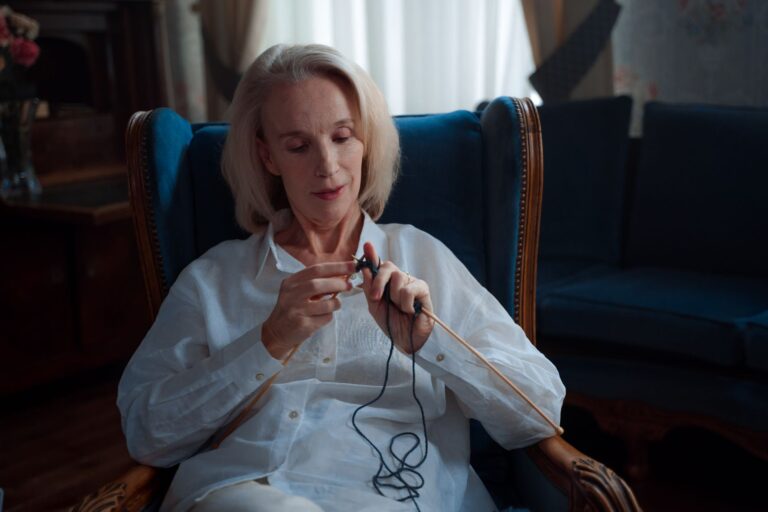
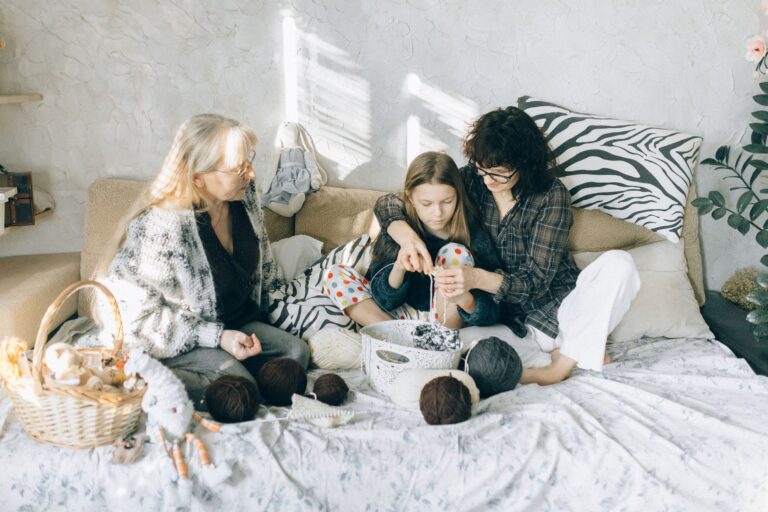
Simple knitting for memory care groups means short, guided sessions where each person knits plain rows on stitches someone else has already started. The setup uses chunky bright yarn, large needles, and one stitch at a time, so hands stay busy and progress is easy to see. For brain health context, craft activity has a real but limited link to memory. In 1,929 cognitively normal adults aged 70 and older, those doing crafts such as knitting had a 28% lower risk of developing mild cognitive impairment, or early noticeable memory change, over a median four years, according to the Mayo Clinic Study of Aging record.
Medical information disclaimer: This article is for general educational purposes only and does not provide medical advice, diagnosis, or treatment. Always consult a physician or other qualified health professional about symptoms, medications, tests, or treatment decisions.
Table of Contents
- What does the evidence mean?
- What materials help hands succeed?
- How do you lead the steps?
- What can you do with finished knitting?
What does the evidence mean?
That craft and memory link is observational and does not prove knitting prevents dementia. The Mayo Clinic research record notes activities were self-reported and models adjusted for age, sex, and education, with separate APOE-e4 analysis. Active sitting shows a similar pattern in a very large cohort. In 20,811 adults followed about 19 years, each extra daily hour of mentally active sitting was linked with 4% lower dementia risk, according to the cohort analysis in the American Journal of Preventive Medicine.
Swapping one passive-sitting hour for active sitting was linked with 7% lower risk. Treat knitting as active, social time rather than treatment. It keeps hands, eyes, and conversation engaged during sitting hours. Families should still follow medical advice for diagnosis, care, and risk reduction.
What materials help hands succeed?
Equip knitters for easy grip and quick visible progress. Use chunky bright yarn and large 8-10 mm needles, good lighting, and comfortable seating, according to the Hovi Care elder-care guide.
Start each piece before the session with a short row of about 20 stitches. Bright color helps stitches stand out. Short rows finish faster and invite another try.
How do you lead the steps?
Simplify the task so pattern-following is not required. Pre-cast stitches and let each person knit plain rows, since following a pattern often becomes too difficult, according to Alzheimer's Society UK carers' tips.
Run brief, consistent sessions that teach one stitch at a time. Use slow demonstration and hand-over-hand help if needed, plus conversation and reminiscence during knitting, according to the Health Service Executive Virtual Dementia Hub support plan.
- Pre-cast about 20 stitches for each knitter before sitting down
- Show one knit stitch slowly, then knit that stitch together
- Guide hands gently from behind only when the person wants help
- Keep friendly talk and memories going while needles move
What can you do with finished knitting?
Finished group pieces can become twiddlemuffs. A twiddlemuff is a double-thickness knitted hand-muff with textured items attached, according to the Isle of Wight NHS Trust dementia service.
The muffs give visual, tactile, and sensory stimulation. They also keep restless hands warm and occupied. Offer a finished muff during restless moments and let the person explore its textures at their own pace.