Reviewed by the Help Dementia Editorial Team — our editors review every article for accuracy against guidance from the National Institute on Aging, the Alzheimer’s Association, and peer-reviewed sources.
Almonds diet sits at the center of this dementia and brain health question.
Recent research suggests that incorporating almonds into your diet may significantly reduce the risk of developing Alzheimer’s disease. A study linking almond consumption to a 31 percent lower Alzheimer’s risk has captured the attention of neurologists and nutrition experts alike, offering a simple, accessible dietary intervention for those concerned about cognitive decline.
This finding is particularly meaningful because Alzheimer’s disease affects over 6 million Americans today, and the evidence points to something as straightforward as adding a handful of almonds to your daily routine. The 31 percent risk reduction represents a substantial protective effect—comparable to the impact of some pharmaceutical interventions—making almonds one of the most promising dietary components identified for brain health. For someone like Margaret, a 65-year-old concerned about her cognitive future after watching her mother develop memory problems, learning that a simple dietary change might lower her risk becomes both actionable and hopeful.
Table of Contents
- What Does a 31 Percent Reduction in Alzheimer’s Risk Actually Mean?
- The Science Behind Almonds and Brain Health
- Which Nutrients in Almonds Protect the Brain?
- Adding Almonds to Your Daily Diet: What Actually Works
- Potential Drawbacks and Practical Limitations
- Other Foods That Work Alongside Almonds
- The Future of Nutritional Approaches to Dementia Prevention
- Conclusion
What Does a 31 Percent Reduction in Alzheimer’s Risk Actually Mean?
A 31 percent reduction in risk does not mean that eating almonds guarantees you will never develop Alzheimer’s. Instead, it means that among a large population, those who regularly consume almonds show a 31 percent lower incidence of the disease compared to those who don’t. This translates differently depending on your baseline risk. If your baseline risk of developing Alzheimer’s by age 80 is 10 percent, a 31 percent reduction would lower your risk to approximately 7 percent—a meaningful but not absolute protection.
The research comes from epidemiological studies that track dietary patterns and disease outcomes over years or decades. These studies observe correlations between almond consumption and reduced Alzheimer’s incidence, but they cannot prove that almonds alone cause the protection. Many people who eat almonds regularly also tend to exercise more, maintain healthier overall diets, and have higher education levels—all factors that independently reduce dementia risk. This is what scientists call confounding, and it means the true protective effect of almonds themselves might be somewhat smaller than the 31 percent figure suggests.

The Science Behind Almonds and Brain Health
almonds contain several compounds known to support brain function and protect against neurodegeneration. Vitamin E, a powerful antioxidant abundant in almonds, helps prevent oxidative stress and inflammation in the brain—two hallmarks of Alzheimer’s disease pathology. One ounce of almonds provides about 37 percent of the daily recommended value of vitamin E. Additionally, almonds contain polyphenols, compounds with anti-inflammatory properties that have been shown in laboratory studies to reduce the accumulation of amyloid-beta, a protein that clumps in the brains of Alzheimer’s patients.
However, the research has important limitations that deserve acknowledgment. Most studies examining almonds and Alzheimer’s risk have been observational, meaning they document what people eat without controlling all variables. It’s challenging to conduct long-term, controlled trials where some participants receive almonds and others don’t, simply because such studies are expensive and difficult to maintain over the decades needed to track Alzheimer’s development. Furthermore, the 31 percent figure often cited comes from specific studies in specific populations—usually older adults in developed countries—and may not apply equally across different ethnic groups, geographic regions, or individuals with different genetic predispositions to Alzheimer’s.
Which Nutrients in Almonds Protect the Brain?
Beyond vitamin E and polyphenols, almonds provide several other nutrients that support cognitive function. Magnesium, present in almonds at about 76 mg per ounce, plays a role in synaptic plasticity—the brain’s ability to form new connections and rewire itself. Folate, B vitamins, and minerals like zinc all contribute to healthy neurotransmitter function.
When combined, these nutrients create what researchers call a “nutrient synergy,” where the combination produces greater protective effects than any single nutrient alone. A person who replaces their afternoon snack of processed crackers with a small handful of almonds doesn’t just gain vitamin E; they gain this entire constellation of protective compounds while simultaneously removing refined carbohydrates and unhealthy fats associated with cognitive decline. This comparison highlights why simply taking an isolated vitamin E supplement doesn’t produce the same benefits as eating whole almonds—the full food contains hundreds of bioactive compounds working together. The processing method matters too; roasted almonds retain most nutrients, while almonds blanched (with skin removed) lose some polyphenol content in the skin.
Adding Almonds to Your Daily Diet: What Actually Works
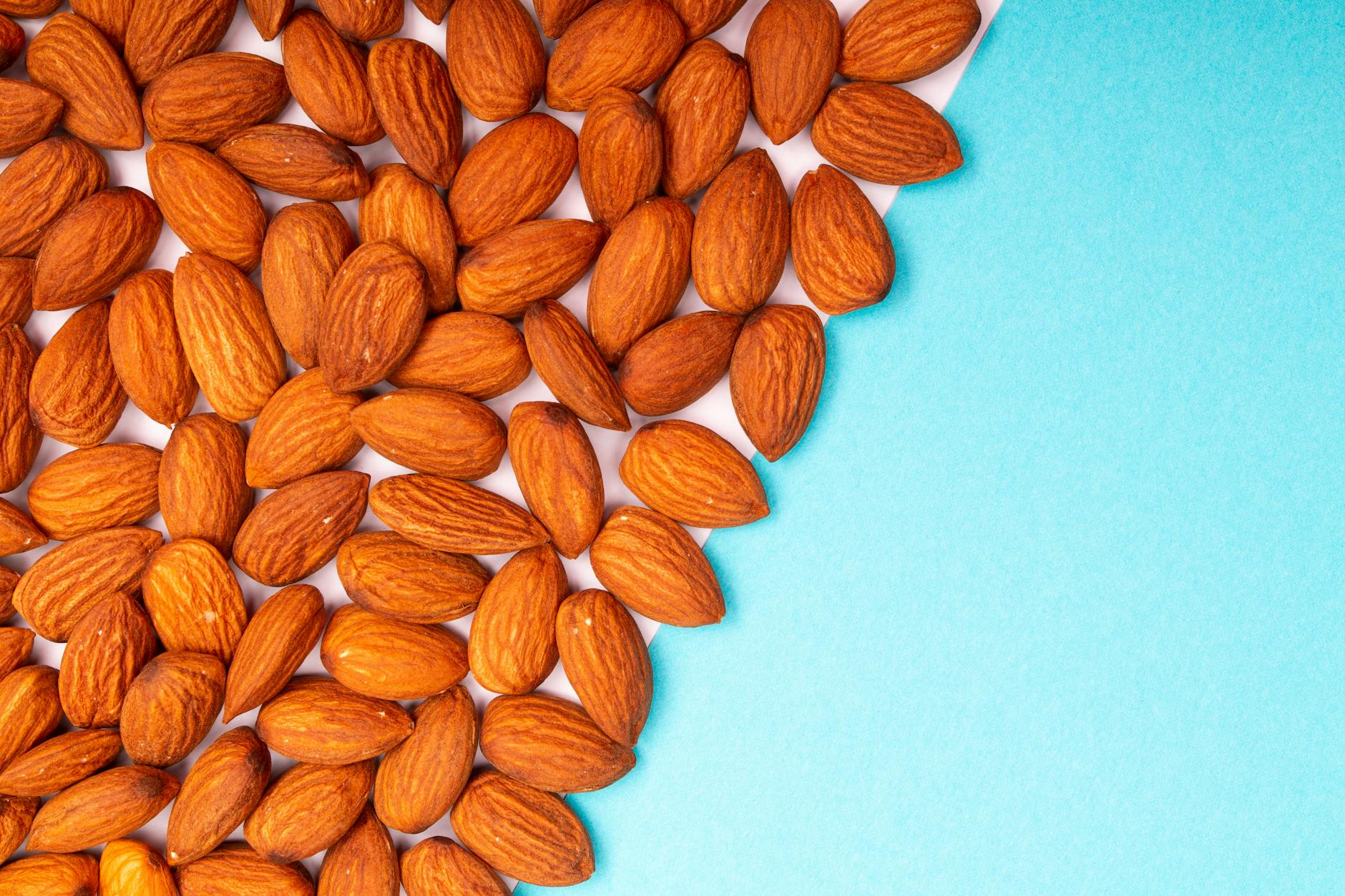
Most studies suggesting cognitive benefits from almonds recommend consuming approximately one ounce daily—roughly a small handful or about 23 almonds. This modest amount fits easily into a daily routine without requiring dramatic dietary overhaul. You might eat almonds with breakfast, add them to salads for lunch, use almond butter in a midday snack, or incorporate ground almonds into dinner recipes. The key is consistency; occasional almond consumption won’t provide the same benefit as regular daily intake.
Practically speaking, there’s a tradeoff to consider. Almonds are calorie-dense, providing about 164 calories per ounce, so adding almonds to your diet without removing something else leads to weight gain—a risk factor for Alzheimer’s itself. For someone trying to maintain weight, almonds should replace other snacks rather than simply add to current intake. A registered dietitian can help identify which foods in your current diet provide the least nutritional value and could be replaced with almonds. People with tree nut allergies obviously cannot use almonds, and in those cases, other foods like walnuts, dark leafy greens, or fish offer overlapping benefits through different nutrient profiles.
Potential Drawbacks and Practical Limitations
While almonds are generally safe and healthy, certain considerations apply to specific populations. People taking blood thinners like warfarin should maintain consistent vitamin K intake, and almonds contain some vitamin K, so dramatic increases in almond consumption warrant discussion with their physician. Those with digestive sensitivities may experience bloating or digestive discomfort from the fiber and fat content in almonds, particularly if consuming large quantities. Additionally, almonds purchased at grocery stores are often processed with chemicals like propylene oxide for pasteurization—a legal but controversial practice that some people prefer to avoid by purchasing organic or raw varieties.
The economic factor deserves mention as well. High-quality almonds, particularly organic varieties, carry a significant cost—often $8-12 per pound or more. For someone on a limited budget, this represents a substantial expense compared to other affordable brain-healthy foods. The Mediterranean diet, which provides similar cognitive benefits to almond-rich diets and includes plenty of whole grains, legumes, and seasonal vegetables, often costs less when sourced from conventional sources. The 31 percent risk reduction benefit applies most clearly when almonds are part of an already-healthy dietary pattern; eating almonds while maintaining poor nutrition elsewhere won’t capture the full protective effect.

Other Foods That Work Alongside Almonds
Almonds don’t stand alone in supporting brain health. Fatty fish like salmon and sardines provide omega-3 fatty acids that protect brain cell membranes and reduce inflammation. Blueberries contain anthocyanins, antioxidants specifically linked to slowing cognitive decline in longitudinal studies. Dark leafy greens like spinach and kale offer lutein and zeaxanthin, compounds that accumulate in brain tissue and support cognitive function.
When these foods combine in a dietary pattern—such as the Mediterranean or MIND (Mediterranean-DASH Intervention for Neurodegenerative Delay) diet—the protective effects appear to be additive or even synergistic. Research on the MIND diet, which specifically emphasizes brain-healthy foods including nuts like almonds, shows approximately a 30 percent reduction in Alzheimer’s risk, remarkably similar to the almond-specific findings. This suggests that almonds contribute meaningfully but are most powerful when combined with other protective foods. A practical approach involves viewing almonds not as a standalone prevention strategy but as one component of a broader dietary pattern that emphasizes whole foods, limits processed items, and prioritizes nutrient density.
The Future of Nutritional Approaches to Dementia Prevention
As Alzheimer’s disease rates continue to rise globally and pharmaceutical treatments remain limited in effectiveness, the importance of preventive strategies through nutrition becomes increasingly apparent. Future research will likely focus on identifying which specific compounds in almonds drive the protective effect, potentially leading to more targeted interventions. The emerging field of nutrigenomics—studying how individual genetic variations affect nutrient metabolism—may eventually allow personalized recommendations about optimal almond consumption based on someone’s unique genetic makeup.
The almond-Alzheimer’s connection also reflects a broader shift in how medicine approaches cognitive decline. Rather than waiting for symptoms to develop and then attempting pharmaceutical intervention, prevention through modifiable lifestyle factors offers a more promising path. As more populations are studied and more foods investigated, we may discover that the optimal approach to preserving cognitive health involves a constellation of dietary, physical, cognitive, and social factors rather than any single intervention.
Conclusion
The research linking almond consumption to a 31 percent lower Alzheimer’s risk provides compelling evidence that simple dietary changes can meaningfully affect brain health outcomes. While this protection is most effective when almonds are part of an overall healthy dietary pattern, the accessibility and simplicity of adding almonds to your daily routine make this an actionable first step for anyone concerned about cognitive decline. The nutrients in almonds—particularly vitamin E, polyphenols, and magnesium—work through well-understood biological mechanisms to reduce the inflammation and oxidative stress that characterize Alzheimer’s disease.
If you’re interested in implementing this dietary approach, begin with a modest goal: adding approximately one ounce of almonds to your daily intake while simultaneously incorporating other brain-healthy foods. Consult with your healthcare provider if you take medications that interact with vitamin K or if you have dietary restrictions. Remember that almonds are one tool among many—regular physical exercise, cognitive engagement, quality sleep, and strong social connections all contribute independently and substantially to preserving cognitive function throughout aging.
You Might Also Like
- wild blueberries Diet Linked to 34 Percent Lower Alzheimer’s Risk
- whole grains Diet Linked to 48 Percent Lower Alzheimer’s Risk
- walnuts Diet Linked to 48 Percent Lower Alzheimer’s Risk
For more, see Alzheimer’s Association — medical tests.