Reviewed by the Help Dementia Editorial Team — our editors review every article for accuracy against guidance from the National Institute on Aging, the Alzheimer’s Association, and peer-reviewed sources.
Adding cold sits at the center of this dementia and brain health question.
The question of whether cold plunges might protect against dementia rests on intriguing cellular evidence—but the honest answer is that we don’t yet know if they work in humans. What researchers have found is that cold water exposure triggers the release of a specific protein called RBM3 (RNA-binding motif protein 3) in the brain, and in animal studies, this protein appears linked to synaptic regeneration and neuroprotection. Winter swimmers studied over three years showed significantly elevated RBM3 levels compared to control groups. However, it’s crucial to understand that these findings have not translated into human clinical trials assessing whether routine cold plunging actually reduces dementia risk or cognitive decline.
The promise is there at the molecular level, but the clinical proof remains elusive. The scientific landscape has shifted in recent years, with 2025 studies revealing additional mechanisms: cold exposure appears to alter brain-derived neurotrophic factor (BDNF) and tyrosine hydroxylase in the hippocampus, and reduces neuroinflammation markers—all factors theoretically relevant to cognitive health. Yet researchers emphasize a critical paradox: prolonged or intense cold exposure can actually impair memory, decrease attention, and slow response time. For people with dementia or heart conditions, the cardiovascular stress of cold water immersion—which triggers dramatic spikes in heart rate and blood pressure—can pose genuine safety risks. Understanding the difference between what happens in laboratory conditions and what’s safe for your brain is essential.
Table of Contents
- What Does the Research on Cold Exposure and Brain Health Actually Show?
- How Does Cold Exposure Affect the Brain? What Do the Newer Studies Reveal?
- How Does Cold Compare to Heat? What About Sauna Therapy?
- Can You Safely Add Cold Plunges to Your Routine for Brain Health?
- Who Should Absolutely Avoid Cold Plunges? Critical Safety Concerns.
- What Critical Research Gaps Still Remain?
- What’s the Broader Context for Brain Health and Temperature Therapies?
- Conclusion
What Does the Research on Cold Exposure and Brain Health Actually Show?
The story begins with a 2015 discovery by researchers at the University of Cambridge. They found that when healthy mice underwent cold water immersion, their brains released elevated levels of RBM3, and after rewarming, the mice demonstrated improved synaptic regeneration—the ability of nerve connections to rebuild and strengthen. This was remarkable because synaptic loss is a hallmark of dementia. The research suggested a biological mechanism by which cold stress might trigger protective responses in the brain. Between 2016 and 2018, U.S.
Masters swimming researchers conducted studies on human winter swimmers, measuring RBM3 levels across three consecutive winters. They found that regular cold water swimmers maintained significantly higher RBM3 levels than sedentary control groups. This was the first human evidence that cold exposure correlates with increased production of this neuroprotective protein. However—and this is critical—correlation is not causation. Higher RBM3 does not automatically mean better cognition or lower dementia risk. The winter swimmers in these studies were already a self-selected group of active, health-conscious people, making it difficult to isolate the effect of cold water alone.

How Does Cold Exposure Affect the Brain? What Do the Newer Studies Reveal?
Recent 2025 research has moved beyond simple observations to investigate the molecular mechanisms more deeply. Studies using brain imaging and fluid biomarkers have shown that cold exposure alters expression of BDNF (brain-derived neurotrophic factor), a molecule essential for neuroplasticity and learning, as well as tyrosine hydroxylase in the hippocampus—the brain region critical for memory formation. Additionally, researchers observed that cold exposure reduced markers of neuroinflammation, the chronic low-grade brain inflammation increasingly linked to Alzheimer’s disease and other dementias. These findings suggest plausible biological pathways through which cold might theoretically protect the brain.
But here’s the critical limitation: these studies generally used short, controlled cold exposures—typically therapeutic cooling protocols of brief duration, repeated three times per week over several weeks. Research on therapeutic cooling showed improvements in sleep quality and did not harm cognitive performance; some studies even reported modest improvements in executive function. However, the reverse is also true: prolonged or intense cold exposure—the kind someone might experience during extended cold plunges—can impair memory, decrease attention, and slow reaction time. The dose, duration, and intensity of cold exposure matter enormously. A 30-second cold plunge in controlled conditions is vastly different from prolonged exposure or repeated plunges without adequate recovery time.
How Does Cold Compare to Heat? What About Sauna Therapy?
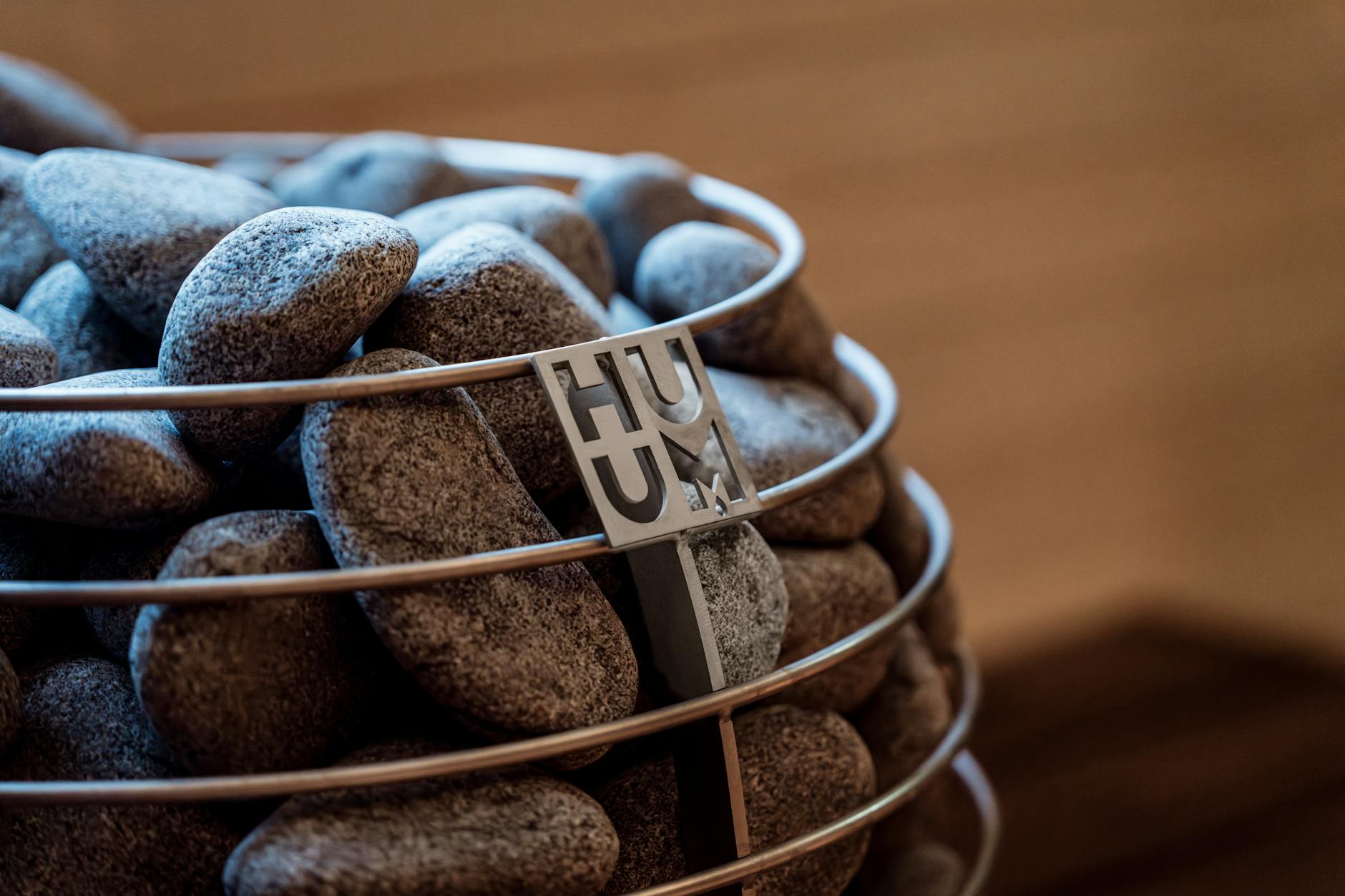
One of the strongest lines of evidence for temperature-based dementia protection actually comes not from cold but from heat. The University of Eastern Finland conducted a 20-year longitudinal study of over 2,300 participants, tracking their sauna use and cognitive outcomes. The results were striking: regular sauna bathing was associated with a significantly reduced risk for both Alzheimer’s disease and all-cause dementia. This finding is noteworthy because sauna is well-established, accessible, and proven in humans—unlike cold plunging, which lacks human clinical trials.
The contrast raises an important question: if heat therapy shows protective effects in humans and cold shows only cellular-level promise, why focus on cold? Part of the answer may lie in different mechanisms. Sauna appears to work through cardiovascular improvements, reduced inflammation, and enhanced heat shock proteins—a different pathway than cold’s RBM3 activation. For many older adults and especially those with dementia or heart conditions, sauna is also safer. Cold water immersion triggers sudden, dramatic increases in heart rate and blood pressure, changes that can be dangerous for people with hypertension, coronary artery disease, or arrhythmias. Sauna, by contrast, has a gentler cardiovascular profile when done properly.
Can You Safely Add Cold Plunges to Your Routine for Brain Health?
Before considering cold plunging, understand what the evidence actually supports—and what it does not. No human clinical trials have assessed whether routine cold water immersion reduces dementia risk or improves cognitive function in people. The therapeutic cooling studies were brief, supervised interventions in research settings. Self-directed plunging in ice baths or cold water without medical oversight is a very different proposition. If you’re interested in this approach, several safeguards are essential: start with very brief exposures (under 30 seconds), ensure adequate warm-up and recovery afterward, and do this under medical supervision, especially if you have any history of heart disease, high blood pressure, or neurological conditions.
Consider the comparison to established interventions. Exercise, cognitive training, quality sleep, social engagement, Mediterranean diet, and cardiovascular fitness all have robust human evidence for dementia prevention. Sauna has 20 years of longitudinal data. Cold plunging, by contrast, has cellular-level mechanisms and animal studies but no human dementia trials. A reasonable approach is to view cold exposure not as a primary dementia prevention strategy but as a potential adjunct—one that’s interesting enough to monitor scientifically, but not established enough to prioritize over evidence-based interventions. If you do try it, keep sessions very short, warm up properly, and never do this alone.
Who Should Absolutely Avoid Cold Plunges? Critical Safety Concerns.
Seniors with dementia—the population most vulnerable to cognitive decline—should not engage in routine cold plunges. Multiple sources emphasize that cold water immersion is contraindicated for people with dementia or heart disease. The reason is straightforward: cold triggers powerful sympathetic nervous system activation, causing heart rate to spike, blood pressure to rise dramatically, and breathing to become rapid and shallow. In older adults or those with cardiac fragility, this sudden stress can precipitate arrhythmias, heart attacks, or strokes.
Someone in the early stages of dementia, who might not recognize warning symptoms like chest pain or severe dizziness, faces additional risk. People with uncontrolled hypertension, a history of heart attacks or strokes, arrhythmias, coronary artery disease, or advanced age should avoid cold plunging without explicit medical clearance. Even younger, healthy people who try cold plunging sometimes experience syncope (fainting), gasping that leads to water aspiration, or panic responses that make rational decision-making difficult. The goal in dementia prevention is to do no harm. If someone is interested in brain-protective temperature therapies, medical evaluation to determine whether sauna, warm-water exercise, or other approaches are more appropriate is a critical first step.

What Critical Research Gaps Still Remain?
The largest gap is obvious: there are no randomized controlled trials in humans examining whether routine cold plunging reduces dementia incidence, slows cognitive decline, or improves brain health markers over time. The Alzheimer’s Discovery Foundation has flagged this explicitly. We have animal studies, observational data on winter swimmers, and cellular mechanistic research, but not the gold-standard human evidence needed to make clinical recommendations.
Such trials would require tracking participants over years, comparing those doing regular cold plunges to matched controls, and measuring cognition rigorously. A secondary gap involves understanding which populations might benefit—if anyone. Would young, healthy people see cognitive benefits that older adults would not? Is there a threshold of frequency or duration below which cold is useless or above which it becomes harmful? Could combining cold with other interventions amplify neuroprotection, or does cold interfere with other brain-protective strategies? Until these questions are answered through human research, medical professionals cannot confidently recommend cold plunging as a dementia prevention strategy.
What’s the Broader Context for Brain Health and Temperature Therapies?
The emerging science of temperature and cognition reveals that the brain is exquisitely sensitive to thermal stress—for better and sometimes for worse. Heat shock proteins, cold shock proteins, and neuroinflammatory responses all vary with temperature. The fact that both heat (sauna) and cold appear to trigger neuroprotective mechanisms is fascinating; it suggests that the brain benefits from controlled physiological challenge and adaptation. This aligns with broader understanding that the brain thrives on stimulation, novelty, and challenge—whether physical, cognitive, or thermal.
Looking forward, the most likely path for cold exposure in dementia care is continued basic research to understand mechanisms, followed eventually by human trials in carefully selected populations. In the meantime, people concerned about dementia prevention should focus on interventions with proven human benefit: regular aerobic exercise, cognitive engagement, social participation, quality sleep, Mediterranean or MIND diet patterns, and cardiovascular health. If someone wants to explore temperature therapies, sauna appears safer and has stronger longitudinal evidence. Cold plunging remains an intriguing frontier—but one we’re still learning to navigate safely.
Conclusion
Cold plunges activate neuroprotective mechanisms at the cellular level, primarily through RBM3 release and reduction of neuroinflammation. Animal studies and research on winter swimmers suggest potential brain benefits. However, the critical gap remains: no human clinical trials have shown that routine cold plunging reduces dementia risk or improves cognitive outcomes in people. The paradox of cold exposure is that while short, controlled cold can trigger protective responses, prolonged or intense cold can impair memory, attention, and executive function.
For older adults and especially those with dementia or heart disease, the cardiovascular stress of cold water immersion—rapid increases in heart rate and blood pressure—poses real safety risks. If you’re interested in temperature-based brain protection, consult a physician about your individual suitability before attempting cold plunges. For now, sauna therapy has stronger human evidence, and established interventions like exercise, cognitive training, and cardiovascular fitness remain the most reliable dementia prevention strategies. Cold exposure is fascinating neuroscience—but it’s not yet a proven clinical tool, and for many people, safer alternatives exist. Keep watch on emerging research, but base your current dementia prevention strategy on the evidence we already have.
You Might Also Like
- Adding cold plunges to Your Routine Could Protect Against Dementia
- Adding volunteering to Your Routine Could Protect Against Dementia
- Adding volunteering to Your Routine Could Protect Against Dementia
For more, see Alzheimer’s Association — medical tests.