Reviewed by the Help Dementia Editorial Team — our editors review every article for accuracy against guidance from the National Institute on Aging, the Alzheimer’s Association, and peer-reviewed sources.
Yes, adding volunteering to your routine can help protect against dementia. Recent research from UC Davis in 2025 shows that people with a higher sense of purpose—particularly those who volunteer regularly—are about 28% less likely to develop cognitive impairment or dementia. This isn’t speculation based on isolated findings. A Swedish longitudinal study following 1,000 retirees over five years found that those who volunteered continuously were 2.44 to 2.46 times less likely to be prescribed anti-dementia medication, even when volunteering just one hour per week.
The protective effect appears consistent across multiple research institutions and demographic groups. The mechanism is straightforward: volunteering engages the brain in meaningful ways while simultaneously building social connections, both of which are linked to cognitive resilience. For someone in their 60s or 70s concerned about memory loss or cognitive decline, volunteering offers a structured, evidence-backed activity that addresses multiple risk factors at once. Unlike many interventions that require expensive equipment or medical supervision, volunteering is accessible to most older adults and often provides immediate social and emotional benefits alongside the neurological protection.
Table of Contents
- Why Does Volunteering Protect Cognitive Function?
- The Critical Importance of Consistency and Type
- How Sense of Purpose Connects to Dementia Prevention
- Starting a Volunteer Routine: Practical Implementation
- Who Might Face Barriers to Consistent Volunteering
- Combining Volunteering with Other Dementia-Prevention Strategies
- The Future of Purpose-Based Cognitive Protection Research
- Conclusion
Why Does Volunteering Protect Cognitive Function?
Volunteering engages multiple cognitive systems simultaneously—memory, attention, executive function, and problem-solving—in ways that routine daily activities often don’t. When you volunteer at a community center, homeless shelter, or school, you’re not just performing isolated tasks. You’re learning new procedures, adapting to unexpected situations, remembering names and preferences of the people you serve, and coordinating with other volunteers. This cognitive complexity appears to be exactly what the aging brain needs to maintain its sharpness. A UC Davis study tracking 2,476 older adults (average age 74, representing diverse racial and ethnic backgrounds including 48% Black, 20% white, 17% Asian, and 14% Latino participants) found that volunteers showed better executive function and episodic memory—the ability to recall specific past events.
An Indiana University analysis of over 64,000 participants followed for 12 years revealed that those contributing 100 hours per year (roughly two hours per week) scored 6% higher on cognitive tests compared to non-volunteers. While 6% might sound modest, on standardized cognitive assessments this difference can mean the distinction between normal aging and early cognitive decline. The social aspect amplifies this benefit. Volunteering forces you to engage with people you might not otherwise encounter, navigate different perspectives, and contribute meaningfully to something beyond yourself. This social engagement activates reward pathways in the brain and reduces inflammation, both factors implicated in dementia risk. It’s not just the mental stimulation—it’s the purposeful, relational mental stimulation that appears to matter most.
The Critical Importance of Consistency and Type
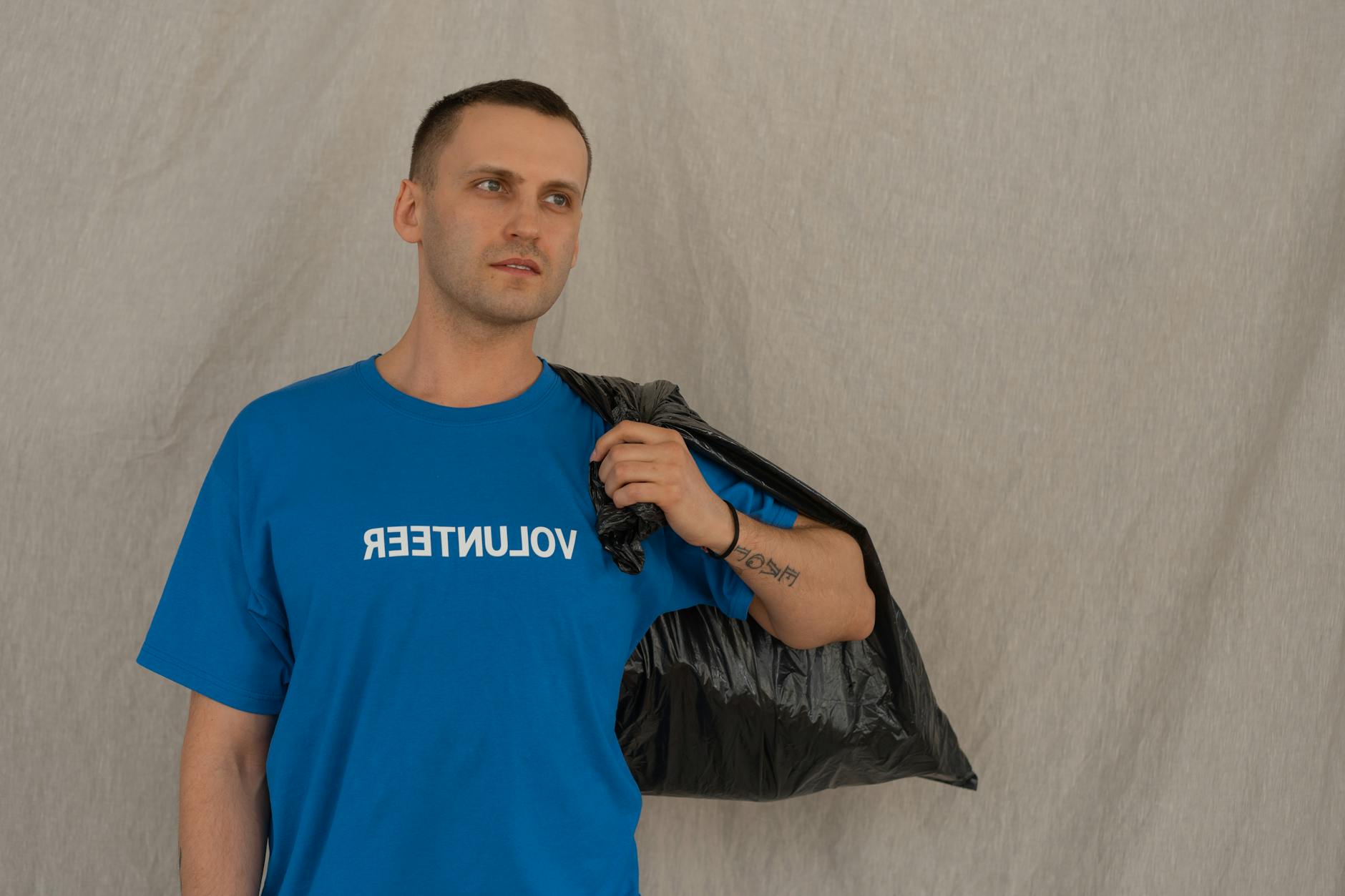
Here’s where the research reveals an important caveat: sporadic volunteering provides virtually no cognitive benefit. A person who volunteers enthusiastically for a few weeks in December and then stops shows no measurable protection against cognitive decline. The Swedish study specifically noted that “continuous” volunteering was required for the protective effect. This means committing to a regular schedule—weekly shifts, monthly service days, or comparable consistency—not sporadic volunteer bursts. The type of volunteering also matters significantly. Research from the Alzheimer’s Association and AARP indicates that protective effects are observed only when volunteering helps people outside your immediate family.
Serving at a church, food bank, school, homeless shelter, or charitable organization showed cognitive benefits. In contrast, volunteer work limited to family caregiving or family-oriented tasks showed no measurable cognitive protection. The distinction may relate to the breadth of social engagement and exposure to different perspectives that comes with helping strangers versus helping family members you already know well. This creates a practical limitation for some people. An older adult with significant mobility issues might find consistent, non-family volunteering challenging to sustain. Similarly, someone in early cognitive decline might struggle with the memory and organizational demands of a volunteer role requiring complex procedures. The research doesn’t address how to adapt volunteering for these populations, which represents a gap in our understanding of how broadly applicable this protective effect truly is.
How Sense of Purpose Connects to Dementia Prevention
The UC Davis 2025 research identified sense of purpose as the common thread linking volunteering to dementia protection. Volunteering appears to work not merely as a cognitive exercise, like completing a crossword puzzle, but as a meaning-making activity. People who volunteer report feeling that their time matters, that they’re contributing to something important, and that they have a role to play in their community. This psychological shift—from feeling peripheral to feeling essential—correlates with measurable changes in brain health. This distinction explains why passive cognitive activities like watching documentaries or reading books don’t produce the same protective effect as volunteering. A documentary might stimulate your brain, but it doesn’t generate purpose. Volunteering does.
You know concretely that someone is better off because you showed up. A volunteer who teaches English to immigrants, helps at a animal shelter, or tutors struggling students sees direct evidence of their impact. That sense of mattering appears to be what triggers the neurological protection. This also suggests why the research emphasizes volunteering with non-family populations. Helping a family member is meaningful, but it often feels obligatory. Volunteering for a stranger or a cause you’ve chosen carries different psychological weight. You’re doing it because you want to, not because you feel you have to, and that voluntary commitment to purpose seems to be what the brain responds to.

Starting a Volunteer Routine: Practical Implementation
The research suggests that 100 hours per year—roughly two hours per week—is an effective target. This isn’t an onerous commitment compared to many other brain-health interventions. Two hours per week is comparable to attending a fitness class twice weekly or completing an online education program, but with the added benefit of immediate social connection and purpose. For someone looking to add volunteering to their routine, a single four-hour shift every two weeks, or two two-hour shifts weekly, would meet this threshold. The challenge is finding a volunteer role that matches your interests and capabilities while remaining genuinely helpful. A person passionate about animals could volunteer at a shelter or rescue organization.
Someone with professional expertise could mentor young professionals or help nonprofit organizations with accounting, marketing, or business planning. Teachers might tutor, music lovers could lead singalongs at care facilities, and those interested in the environment could work with conservation groups. The key difference between this approach and randomly choosing a volunteer opportunity is sustainability. If you don’t genuinely care about the mission, consistency becomes difficult. One practical comparison: someone considering volunteering should weigh the time commitment against other cognitive activities they might pursue. If you have two hours per week available for brain health, you could spend it on formal cognitive training apps, physical exercise that improves brain health, or volunteering. The research suggests volunteering offers cognitive benefits comparable to or exceeding other interventions, with the added advantage of social connection and purpose—factors not typically measured in other brain-health programs.
Who Might Face Barriers to Consistent Volunteering
Not everyone can maintain regular volunteer commitments, and the research doesn’t adequately address these populations. Someone with significant anxiety might struggle with the social demands of volunteering. An individual with early-stage cognitive impairment might find complex volunteer tasks frustrating or overwhelming. People with chronic pain or mobility limitations might find consistent weekly or bi-weekly volunteering physically unsustainable. The Swedish and UC Davis studies don’t clearly indicate whether modified volunteering—perhaps shorter shifts, less complex roles, or volunteer opportunities accommodating mobility devices—would provide comparable cognitive protection. Transportation represents another genuine barrier.
Older adults without reliable access to transportation who live in areas with limited public transit may struggle to reach volunteer locations consistently. The research doesn’t explore whether virtual volunteering—remote tutoring, phone-based mentoring, or online community support—produces similar cognitive benefits to in-person volunteering. This gap is significant because virtual volunteering is expanding but remains understudied in the dementia-prevention literature. A more subtle warning: volunteering shouldn’t become another source of stress or obligation. Someone who commits to volunteering out of guilt, or who continues volunteering in a role that feels overwhelming or emotionally draining, might actually experience increased stress hormones that could offset cognitive benefits. The purpose-protective effect appears to depend on the volunteering feeling meaningful and manageable, not burdensome.

Combining Volunteering with Other Dementia-Prevention Strategies
The research on volunteering and cognitive health exists within a larger context of dementia prevention. Physical exercise, cognitive engagement, quality sleep, Mediterranean-style diet, management of cardiovascular and metabolic health, and social engagement all contribute to dementia risk reduction. Volunteering doesn’t replace these other interventions—it complements them.
A person who volunteers but lives a sedentary lifestyle, sleeps poorly, or has uncontrolled hypertension may not experience the full protective benefit that the research suggests. An ideal approach combines volunteering with other evidence-backed interventions. Someone volunteering two hours weekly at a community center could bike or walk to the location for cardiovascular exercise, use the social engagement of volunteering to address isolation, and leverage the cognitive stimulation of the volunteer role. This synergistic approach—where one intervention supports and amplifies others—likely produces stronger cognitive protection than volunteering alone.
The Future of Purpose-Based Cognitive Protection Research
The 2025 UC Davis findings on sense of purpose represent an evolution in dementia-prevention research. Earlier studies focused on specific activities—cognitive games, physical exercise, social engagement—as separate interventions. This newer research suggests that the umbrella concept of “purpose” may be the critical common factor.
Future research will likely explore how different activities trigger sense of purpose, whether purpose can be cultivated through means other than volunteering, and how to make purpose-driven activities accessible to people with mobility, cognitive, or transportation limitations. As dementia rates continue rising globally, research into modifiable lifestyle factors that provide significant risk reduction—28% reduction is substantial—will only grow more important. Volunteering offers a particularly attractive intervention because it’s free, accessible, immediately rewarding, and beneficial to recipients as well as volunteers. The challenge ahead is helping people recognize volunteering not as a charitable obligation or leisure activity, but as legitimate preventive medicine.
Conclusion
Adding volunteering to your routine is supported by solid research as a means of reducing dementia risk. The evidence—ranging from a 28% reduction in cognitive impairment risk to a 2.44-fold reduction in dementia medication use—suggests that consistent, purposeful volunteering offers meaningful cognitive protection.
The two-hours-per-week target identified in research is realistic for most older adults, and the activity simultaneously addresses multiple dementia risk factors: cognitive engagement, social connection, physical activity (depending on the volunteer role), and psychological sense of purpose. The path forward involves identifying a volunteer opportunity that genuinely interests you, committing to regular participation rather than sporadic involvement, and ensuring the volunteering benefits people beyond your immediate family. Combined with other dementia-prevention strategies—physical exercise, cognitive engagement, quality sleep, and management of cardiovascular health—volunteering becomes part of a comprehensive approach to protecting your brain health as you age.