Audiobooks can offer familiar entertainment, comfort, and shared engagement for a person with dementia. Start with a personally meaningful title, simplify the controls, listen during an alert period, and adjust each session to the person's response. An audiobook is a spoken recording of a book, played through a phone, tablet, computer, or dedicated player. It is an adapted activity, not a dementia treatment: a small eight-week trial found reduced agitation on three of four measures, but physical agitation generally increased during audiobook use, according to the Journal of the American Medical Directors Association study.
Medical information disclaimer: This article is for general educational purposes only and does not provide medical advice, diagnosis, or treatment. Always consult a physician or other qualified health professional about symptoms, medications, tests, or treatment decisions.
Table of Contents
- Choose for the person, not the diagnosis
- Prepare a low-stress listening setup
- Run the first session step by step
- Make the controls easier
- Build a routine and find accessible books
Choose for the person, not the diagnosis
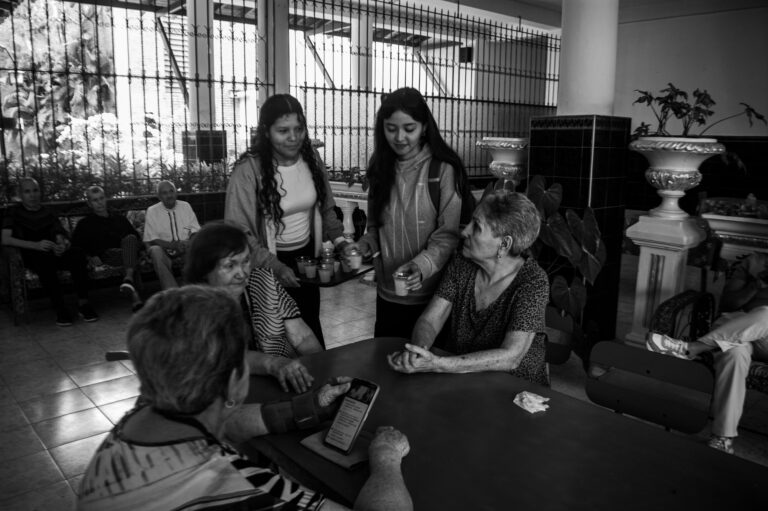
Begin with the listener's history and preferences. Consider a favorite author, a familiar story, religious writing, poetry, humor, local history, or a topic connected to earlier work and hobbies. Match the material to the person's remaining abilities.
A complex mystery may become hard to follow, while short stories or familiar chapters may work well. The Alzheimer's Association advises caregivers to build activities around past interests and prioritize enjoyment over achievement in its guidance on daily activities. Use a simple first choice rather than presenting a large catalog. For example: "Would you like the gardening book or the train stories?" If choosing causes difficulty, select a likely favorite and invite the person to listen without turning it into a test.
Prepare a low-stress listening setup
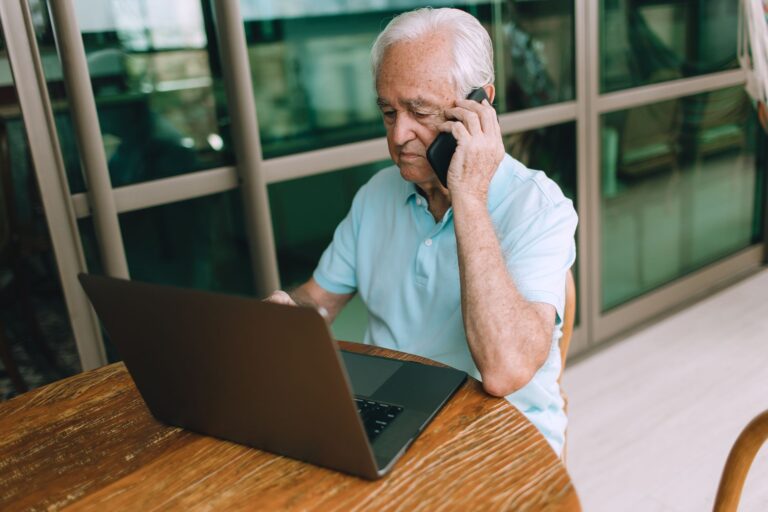
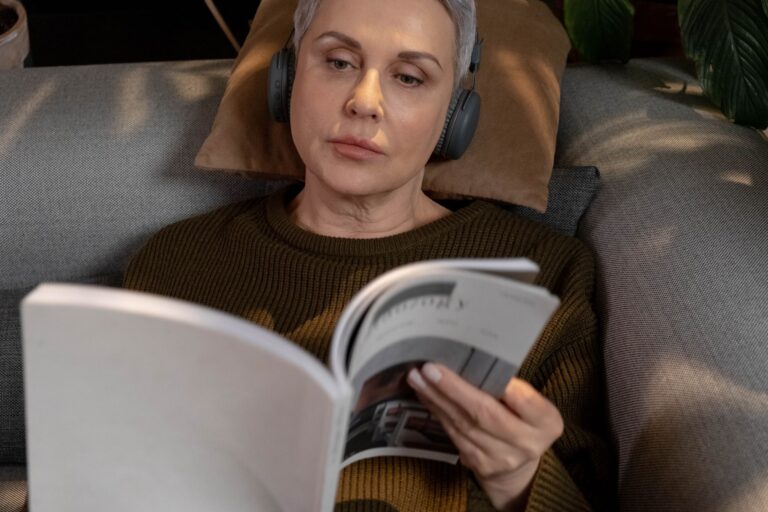
Choose the time of day when the person is usually most alert. Reduce television, conversation, appliances, and other competing sounds before starting. Use a comfortable volume and choose speakers or headphones according to the listener's tolerance. Set up the device before inviting the person to begin.
Open the book, find the intended chapter, and test the volume. Then introduce one step at a time, such as "Press this button to listen." communication matters as much as the equipment. Use calm speech, allow extra response time, and rephrase an unclear instruction instead of repeating it unchanged. These adjustments reflect National Institute on Aging guidance about changes in comprehension, attention, and filtering background noise in communication with someone who has Alzheimer's.
Run the first session step by step
Treat the first session as a brief trial, not a commitment to finish a chapter. Stay nearby so you can observe the listener without repeatedly asking whether the activity is working. Avoid questions that test memory, such as "Who was that character?" Instead, make easy comments or offer optional prompts: "That sounds like the farm where you grew up," or "Did you enjoy stories like this?" Silence is also a valid response; listening does not have to produce conversation.
- Start at a familiar or inviting passage.
- Play a short segment.
- Watch facial expression, posture, movement, and attention.
- Pause if the person speaks or reacts.
- Continue only while the experience appears comfortable.
Make the controls easier
The best device is one the caregiver can prepare quickly and the listener can use without repeated correction. Keep the screen or control panel uncluttered, disable unnecessary alerts when possible, and place the play-and-pause control where it is easy to reach. Apple Books allows users to change playback speed, skip chapters, and set a sleep timer, according to Apple's audiobook instructions.
Similar controls can help a caregiver select a manageable segment and avoid leaving a book playing indefinitely. Change only one setting at a time. A slower speed may help some listeners, but it can sound unnatural to others. If headphones prompt pulling, distress, or increased movement, try a nearby speaker or end the session rather than insisting on the equipment.
Build a routine and find accessible books
Place audiobooks within a balanced routine that includes rest. A short session at a suitable time may work better than using audio to fill long stretches of the day. Reassess the title, duration, device, and listening time as abilities and preferences change. Libraries and commercial audiobook services are possible sources, but some U.S.
residents may qualify for the free National Library Service talking-book program. Eligibility requires a visual, physical, perceptual, or reading disability that prevents normal use of print, certified by a competent authority; dementia alone does not automatically qualify. The Library of Congress enrollment page explains how eligible patrons can use downloadable BARD audio or receive materials by mail. NLS players include large buttons, braille controls, built-in audio instructions, and a sleep timer. Before applying, ask whether the person has a qualifying print disability and identify an appropriate professional or other competent authority who can certify it.