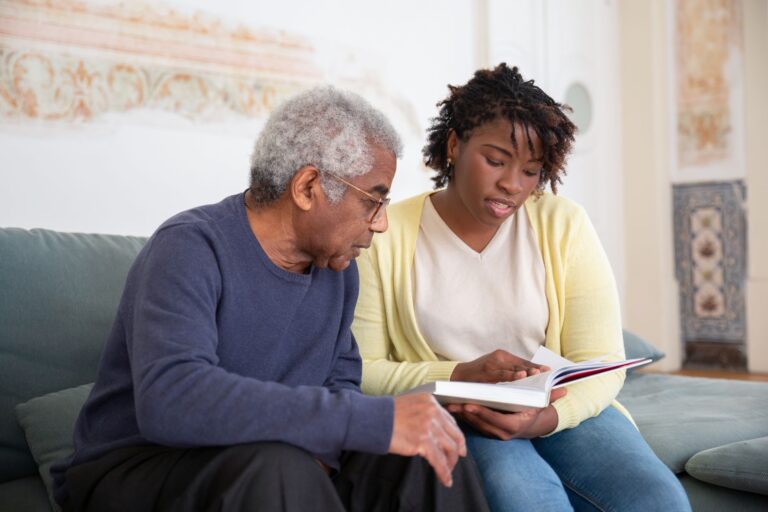
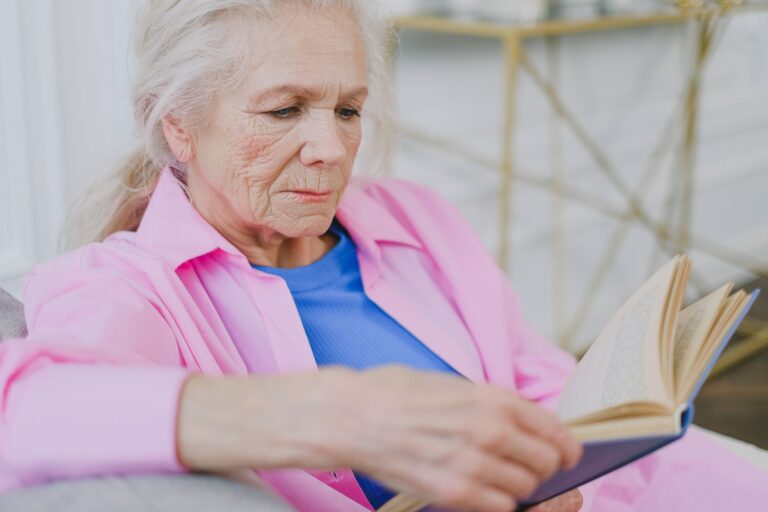
Books for dementia care can guide communication, routines, activities, and caregiver decisions, but no evidence shows that a book alone treats dementia. In 2026, readers should use these books as practical supplements to clinical assessment, skills training, and individualized support. "Books for dementia care" includes caregiver guides, structured activity manuals, and life-story books created with or for a person with dementia. Their value depends on the reader's needs and how the material is used.
Medical information disclaimer: This article is for general educational purposes only and does not provide medical advice, diagnosis, or treatment. Always consult a physician or other qualified health professional about symptoms, medications, tests, or treatment decisions.
Table of Contents
- Who do dementia-care books affect?
- What can a book realistically accomplish?
- Do activity and life-story books improve dementia?
- How should you choose and use a book?
- What should readers do next?
Who do dementia-care books affect?
dementia affects people with memory and thinking problems, as well as the relatives and friends supporting them. The World Health Organization reported 57 million affected people globally in 2021 and nearly 10 million new cases each year; the CDC reported that more than 11 million U.S. adults provided unpaid dementia care in 2023, while about 80% of affected adults received care at home.
WHO's dementia overview and CDC caregiving data show why useful guidance must serve both groups. A person with dementia may need accessible activities or a way to preserve personal memories. A caregiver may instead need help responding to difficult situations, organizing daily care, or deciding when to seek professional support. One book rarely meets all these needs.
What can a book realistically accomplish?
A clear guide can organize information, explain a care approach, and give caregivers material to discuss with clinicians or support workers. It can also provide exercises or prompts that caregivers apply in daily life.
However, standardized information is a passive intervention. A 2021 Cochrane review found that evaluated caregiver programmes paired information with practical training or support; compared with information alone, this combination may slightly reduce burden and depressive symptoms, although benefits versus usual care were limited and the evidence had moderate or low certainty. Cochrane's caregiver-intervention review therefore supports using a book as part of a broader plan, not as the plan itself.
Do activity and life-story books improve dementia?
Structured cognitive stimulation is different from casual reading. It uses organized, socially engaging mental activities, often delivered through a programme. Across 36 trials involving 2,704 people with mild-to-moderate dementia, Cochrane found small short-term cognitive benefits, including an average 1.99-point MMSE advantage, but few studies assessed lasting effects and outcomes varied substantially.
Cochrane's cognitive-stimulation review Life-story books may be created during reminiscence therapy, which uses memories and past experiences as prompts. Yet a 22-study review found no important overall quality-of-life effect immediately after treatment, while cognitive gains were very small and of doubtful clinical importance. Cochrane's reminiscence-therapy review This does not make a life-story book pointless, but readers should not mistake personal meaning for proven treatment benefit.
How should you choose and use a book?
Start with the problem you need to solve. A broad dementia handbook may orient a new caregiver, while a communication guide, activity manual, or life-story format may fit a narrower goal.
Before relying on a book: Stop an activity if it causes obvious frustration or distress. A book should help adapt care to the person; it should not become a test they are pressured to pass.
- Identify whether it is written for the person with dementia, an unpaid caregiver, or a professional.
- Look for specific techniques and exercises, not promises to reverse or cure dementia.
- Choose material suited to the person's abilities, preferences, language, and care setting.
- Test one suggestion at a time and note whether it reduces distress or makes care easier.
- Take unresolved problems, sudden changes, or safety concerns to an appropriate clinician.
What should readers do next?
Do not use a book to diagnose dementia. Memory symptoms may also result from potentially treatable problems, including medication effects, infection, depression, stroke, or sleep disorders, according to the National Institute on Aging's diagnosis guidance.
Arrange a clinical assessment when memory or thinking changes are new, worsening, or interfering with daily life. After assessment, match written material to the care plan and ask what training or support would make it usable. Readers who want a trustworthy starting point can select audience-specific articles and publications from the National Institute on Aging's dementia toolkits instead of relying on a single commercial title.