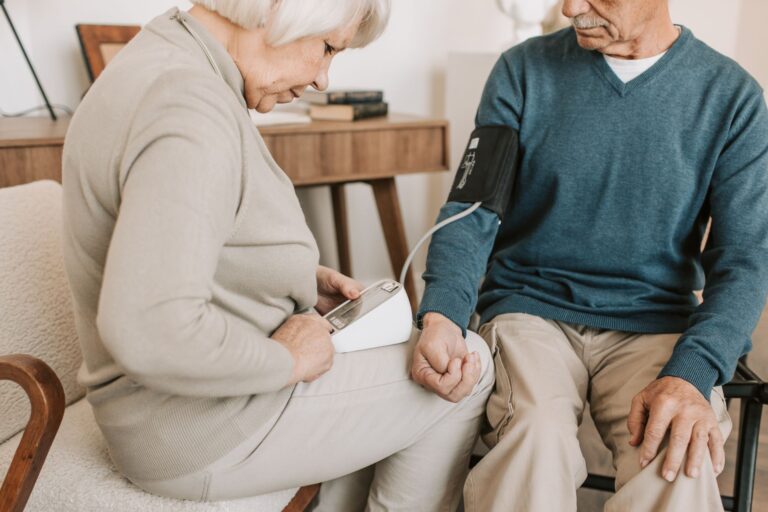
Rising heat is forcing people to fundamentally restructure their daily routines—shifting when they exercise, when they work outdoors, when they sleep, and even whether they leave their homes at all. Research shows that at just 30°C (86°F), park visits drop by 5%, and this behavioral shift accelerates dramatically; at 35°C (95°F), people are 13% less likely to engage in outdoor activities they would normally pursue. For those managing dementia or supporting someone with cognitive decline, these heat-driven changes in routine can be particularly disruptive, since people with dementia often depend on structured, predictable daily patterns for emotional stability and cognitive functioning. This article explores how heat conditions are reshaping the way people organize their days—from exercise timing and work schedules to sleep patterns and social engagement—and what these changes mean for brain health and caregiving.
Heat is not simply making existing routines uncomfortable; it is forcing wholesale reorganization of how people structure their time. Outdoor workers are losing up to 34 labor hours per year per person to heat stress, while global productivity losses from heat-related work disruption reached $835 billion in 2023 alone. Nighttime temperatures that prevent natural cooling create sleep disruption across entire populations, affecting cognition the next day. For older adults and those with existing cognitive challenges, these systemic changes create cascading impacts that extend far beyond physical discomfort.
Table of Contents
- How Extreme Heat Shifts Everyday Behaviors and Social Patterns
- Sleep Disruption and Its Cascading Effects on Cognition
- The Disproportionate Impact on Older Adults and Heat-Related Mortality
- Rescheduling Exercise and Physical Activity During Heat Waves
- Educational and Cognitive Performance During Heat Exposure
- Economic and Workplace Changes in a Heating World
- Preparing for a Heat-Changed Future
- Conclusion
How Extreme Heat Shifts Everyday Behaviors and Social Patterns
heat does not change behavior gradually—it creates threshold effects that ripple through communities. At 30°C (86°F), the first measurable shift appears: 5% fewer people visit public parks. By 35°C (95°F), that avoidance jumps to 13%, meaning roughly 1 in 8 people who would normally seek outdoor recreation simply stay home. This is significant because social isolation itself accelerates cognitive decline in older adults, particularly those with early-stage dementia who benefit from the cognitive and emotional stimulation of outdoor activities and social contact.
The behavioral shift extends beyond parks. People defer errands, reduce walking for transportation, postpone outdoor socializing, and increasingly rely on air-conditioned spaces. For someone with dementia living in a warm climate or experiencing an early-season heat wave—like the Bay Area’s early 80s-to-90°F temperatures in mid-March 2026—this can mean the difference between maintaining a familiar routine and becoming housebound for weeks or months. A person who normally walks to the coffee shop three times a week, or visits the neighbor’s garden, loses that anchor point entirely when heat makes outdoor time feel unsafe.

Sleep Disruption and Its Cascading Effects on Cognition
Heat’s most underestimated impact may be its effect on sleep. Unlike a temporary discomfort, elevated nighttime temperatures prevent both people and infrastructure from cooling down after dark. This means sleep disruption is not just an evening inconvenience—it cascades into daytime cognitive function, memory consolidation, and emotional regulation. For people with dementia, sleep is already fragile and essential; poor sleep often triggers or worsens sundowning, agitation, and confusion.
When nighttime temperatures remain high, even someone with good air conditioning in their bedroom may find sleep fragmented or lighter than restorative. Caregivers should be aware that heat-disrupted sleep is not simply tiredness—it measurably impairs the brain’s ability to clear metabolic waste and consolidate memories. However, not all sleep disruption from heat is inescapable: a simple cooling strategy like moisture-wicking bedding, a fan directed across the body, or even elevating the head can provide some relief. The critical point is recognizing that heat-driven sleep loss is a health risk, not a minor inconvenience to tolerate.
The Disproportionate Impact on Older Adults and Heat-Related Mortality
Heat-related deaths are no longer rare events; they are a major public health burden. Between 2000 and 2019, approximately 489,000 heat-related deaths occurred annually worldwide. The trend is accelerating: among adults over 65, heat-related mortality increased by 85% between 2000–2004 and 2017–2021. In 2023 alone, people over 65 experienced over 9 additional days of intense heatwave exposure compared to historical baselines (1986–2005), totaling more than 13 billion days of heatwave exposure for infants and older adults combined.
The reason older adults face such elevated risk is physiological: the body’s thermoregulation becomes less effective with age, medications can interfere with heat dissipation, and underlying conditions like heart disease amplify heat stress. Someone with dementia may lose the ability to recognize they are overheating, to seek water and shade independently, or to communicate discomfort. This means caregivers must actively monitor for heat stress symptoms—lethargy, confusion beyond baseline, rapid breathing, or lack of sweating—rather than relying on self-reporting. The statistics are stark, but the practical reality is simpler: heat poses a direct threat to life for older adults and requires vigilant attention, not passive adaptation.

Rescheduling Exercise and Physical Activity During Heat Waves
One of the most visible changes heat forces is a complete reorganization of exercise timing. People shift intense physical activity to early morning or evening when temperatures are lower. A runner who normally does a 10-mile run in mid-morning will move that run to 5:30 a.m. or evening. However, this is not always a simple swap—longer, harder workouts often become impossible during heat, so people adjust their intensity instead. Longer runs get postponed; weight training loads decrease.
High-intensity interval work may replace steady-state cardio, not by choice, but because the body simply cannot sustain the same effort in heat. For someone with dementia who relies on daily walks or exercise for both physical health and behavioral regulation, this timing shift can be disorienting. A person accustomed to a 10 a.m. walk may become agitated if that routine suddenly moves to 6 a.m., even if the caregiver explains the reason. The solution is gradual adjustment well before heat becomes extreme—shifting activity time incrementally over weeks, establishing new routines before heat waves hit. But there is a real limitation here: if someone cannot tolerate early morning activity (due to medication timing, dementia-related sleep patterns, or other constraints), heat waves create a genuine scheduling conflict with no perfect answer.
Educational and Cognitive Performance During Heat Exposure
High temperatures directly impair learning ability in children, and the mechanism is likely relevant across the lifespan. When brain temperature rises or when sleep is disrupted by heat, the brain’s capacity for attention, memory formation, and executive function all decline measurably. For someone with mild cognitive impairment or early dementia, heat exposure may worsen existing deficits in focus and memory, making routine cognitive tasks feel harder. This is particularly important to understand because heat effects can mimic or worsen dementia symptoms.
A person with mild cognitive impairment might normally manage appointments and medication schedules; during a heat wave with poor sleep, they might suddenly become unable to remember doses or times, not because their cognitive condition has progressed, but because heat has temporarily made their brain function worse. A caregiver might misinterpret this as disease progression. However, recognizing the heat connection means the caregiver can implement temporary support (more frequent reminders, simplified routines, external aids like pill organizers and alarms) rather than concluding the person’s condition has declined. The impairment is real, but it is situational and reversible once heat moderates and sleep improves.

Economic and Workplace Changes in a Heating World
Beyond individual routines, heat is reorganizing work itself. The $835 billion in lost labor productivity from heat stress in 2023 includes workers who lose hours due to enforced rest during peak heat, those who sleep poorly and work less efficiently, and those like construction or delivery workers who must modify schedules entirely. Outdoor workers face potential losses of up to 34 labor hours per year per person from high-temperature days, and this number will grow as climate change accelerates.
For caregivers who work, heat waves can mean schedule disruption, stress about getting work done, or the difficult choice between staying home with someone who cannot tolerate heat and meeting work obligations. Families with limited income are hit hardest: they may lack air conditioning or have inadequate cooling, be employed in outdoor or hot-environment jobs that cannot be easily rescheduled, and have fewer resources to adapt (purchasing cooling equipment, adjusting work hours, taking time off). The organizational changes happening at the societal level—staggered work hours in heat, mandatory afternoon breaks, heat days treated like snow days in some regions—reflect a broader acknowledgment that humans cannot simply push through extreme heat the way they push through other stressors.
Preparing for a Heat-Changed Future
As heat conditions become more frequent and intense, the question is no longer whether to prepare for heat-driven routine changes, but when to begin. By mid-March 2026, some regions are already experiencing temperatures in the 80s and 90s, signaling an earlier and potentially more severe warm season. For families managing dementia, preparation means establishing flexible routines now—multiple times of day when the person can exercise, relationships with neighbors that can support daytime visits or shared air-conditioned spaces, and backup plans for medications or medical care if heat forces schedule changes.
Looking forward, heat-driven routine changes will likely become the norm rather than the exception in many parts of the world. Families, employers, schools, and healthcare systems are all beginning to restructure around heat. For someone with dementia and their caregivers, this shift offers an opportunity to be proactive: identify what matters most in the current routine (outdoor time, exercise, social contact, structured activities), and think now about how those activities might be preserved, adapted, or moved rather than simply abandoned when heat arrives. The goal is not to perfectly maintain today’s schedule, but to ensure that heat-driven changes do not inadvertently isolate someone from the activities and relationships that support cognitive and emotional wellbeing.
Conclusion
Heat is not a temporary inconvenience—it is a structural force reshaping when and how people conduct their daily lives. From shifts in outdoor recreation (5-13% fewer park visits at moderate heat levels) to reorganized work schedules, displaced exercise routines, and sleep disruption that measurably impairs cognition, heat conditions are forcing change at every level. For older adults and people with dementia, these changes carry particular weight because cognitive health depends on stable routines, adequate sleep, and social engagement—all of which heat jeopardizes.
The path forward is not to resist change, but to anticipate and plan for it. Caregivers should begin now to identify flexible alternatives for daily activities, establish new routines incrementally rather than under crisis pressure, and recognize that heat-driven changes in cognition or behavior are temporary physiological responses, not disease progression. By understanding how heat reshapes routines and preparing proactively, families can maintain the structure and engagement that supports brain health even as temperatures rise and daily life reorganizes around heat avoidance.