High blood pressure damages the brain through a cascade of vascular and cellular changes that begin silently—often years before a person experiences any noticeable symptoms. According to a 2025 Weill Cornell Medicine study published in ScienceDaily, hypertension damages blood vessels, neurons, and white matter long before blood pressure readings climb into the hypertensive range, causing brain cells to age prematurely in patterns that closely resemble early Alzheimer’s disease. This means that a person diagnosed with hypertension at age 50 may already have suffered significant, irreversible brain injury—damage that accumulated without any warning signs or cognitive symptoms.
The mechanism is straightforward but relentless: when blood pressure stays elevated, it creates excessive hemodynamic stress on delicate blood vessels in the brain. This stress weakens vessel walls, disrupts the brain’s protective barrier, and reduces oxygen delivery to critical brain tissue. The consequences ripple outward: increased stroke risk, white matter deterioration, cognitive decline, and accelerated progression toward dementia. Understanding how hypertension damages the brain—and what can still be done to slow or reverse that damage—is essential for anyone concerned about dementia risk or brain health.
Table of Contents
- How Hypertension Creates Pre-Clinical Brain Damage
- Stroke Risk and the Statistics Behind It
- White Matter Lesions—The Hallmark of Hypertension-Related Brain Damage
- The Blood-Brain Barrier—How Hypertension Breaks Down Brain Protection
- Silent Strokes and Cognitive Decline Without Symptoms
- Evidence That Treatment Reverses Early Damage
- New Tools for Risk Assessment and Emerging Treatment Options
How Hypertension Creates Pre-Clinical Brain Damage
Before a person even receives a hypertension diagnosis, their brain may already be aging faster than it should. The Weill Cornell research found that hypertension triggers premature cellular aging in the brain, with molecular patterns resembling the early stages of Alzheimer’s disease. This occurs through multiple pathways: chronic blood vessel stress activates inflammatory responses, generates excess oxidative stress (damaging free radicals), and causes neurons to accumulate toxic proteins. The damage accumulates layer by layer—first in microscopic vessel walls, then in the surrounding brain tissue—creating a foundation for later cognitive decline.
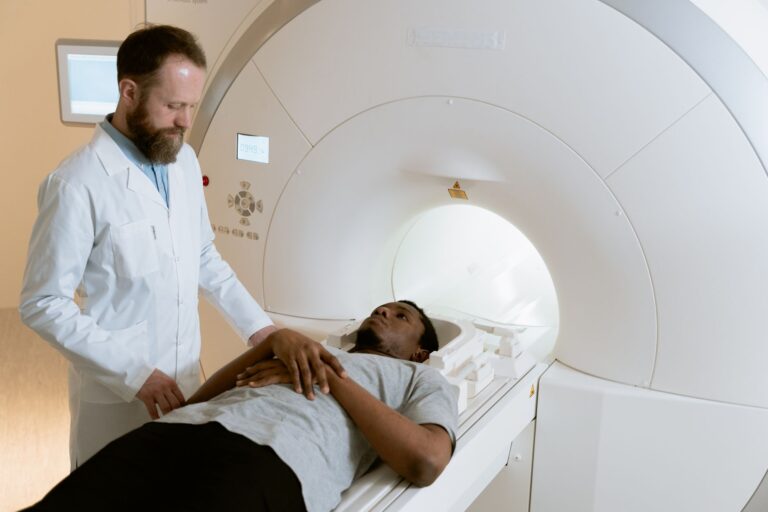
What makes this particularly concerning is that these changes happen silently. A person with untreated hypertension may feel completely normal while their brain undergoes this cellular deterioration. They may pass cognitive screening tests, perform well at work, and have no subjective memory complaints. Yet MRI scans would reveal the damage: tiny lesions in white matter (the nerve fiber bundles that connect different brain regions), reduced blood flow to certain areas, and cellular inflammation. This is why regular blood pressure monitoring matters so much—catching hypertension early, before extensive brain damage occurs, can prevent years of accumulated injury.
Stroke Risk and the Statistics Behind It
Hypertension is the single largest modifiable risk factor for stroke, and the numbers are stark. Hypertension increases overall stroke risk by 220%, according to research published in AHA Journals. More specifically, each 10 mm Hg increase in systolic (top number) blood pressure boosts the risk of ischemic stroke (caused by blood clots) by 28% and hemorrhagic stroke (caused by bleeding) by 38%. To put this in perspective: a person whose systolic blood pressure is 150 mm Hg instead of 140 mm Hg faces substantially higher stroke risk with each passing day.
Hypertension accounts for over 50% of all ischemic strokes and a striking 70% of all hemorrhagic strokes. This means that roughly one in two people who suffer an ischemic stroke would not have had that stroke had their blood pressure been controlled. The good news—and this is substantial—is that the relationship works both ways. Reducing systolic blood pressure by just 10 mm Hg decreases stroke risk by approximately 44%, according to Harvard Health Publishing. This is not a marginal improvement; it is a dramatic reduction in risk from a relatively modest change in blood pressure.
White Matter Lesions—The Hallmark of Hypertension-Related Brain Damage
When neurologists look at MRI scans of people with untreated hypertension, they see a distinctive pattern: white matter hyperintensities (WMH)—bright spots scattered throughout the brain’s white matter that represent areas of damaged, demyelinated nerve fibers. These lesions are the primary imaging finding of cerebral small vessel disease caused by hypertension-related vascular injury. The duration and severity of hypertension correlates directly with the extent of these lesions; a person with 20 years of hypertension typically has more extensive white matter damage than someone with 5 years.
The clinical significance of white matter lesions extends directly to cognition. People with extensive white matter damage show measurable declines in processing speed, memory, and executive function—the ability to plan, organize, and complete complex tasks. Research shows that individuals with hypertension face a 3- to 6-fold increased risk of cognitive impairment following a stroke, including “silent” microstrokes that cause cognitive damage without obvious neurological symptoms like weakness or speech difficulties. A person might not even realize they have had a stroke, yet their memory and thinking abilities decline noticeably over weeks or months.
The Blood-Brain Barrier—How Hypertension Breaks Down Brain Protection
The brain is protected by a specialized barrier called the blood-brain barrier (BBB), a highly selective filter that determines which substances can enter brain tissue from the bloodstream. This barrier normally keeps harmful substances out while allowing oxygen and essential nutrients in. Chronic hypertension systematically disrupts this barrier through three primary mechanisms: hemodynamic stress (the physical force of high-pressure blood against vessel walls), oxidative stress (accumulation of damaging free radicals), and inflammation (activation of immune responses within the brain). When the blood-brain barrier becomes compromised, several harmful consequences follow.
Oxygen delivery to brain tissue decreases, forcing neurons to rely on less efficient energy pathways. Inflammatory molecules that normally stay in the bloodstream leak into the brain tissue, triggering neuroinflammation. Toxic proteins, including the amyloid and tau that accumulate in Alzheimer’s disease, find their way into brain tissue more easily. The brain essentially loses one of its most critical protective mechanisms, leaving it vulnerable to accelerated aging and disease processes.
Silent Strokes and Cognitive Decline Without Symptoms
One of the most insidious aspects of hypertension-related brain damage is the phenomenon of silent strokes—small ischemic events that go unnoticed because they do not cause obvious stroke symptoms like facial drooping, arm weakness, or speech difficulty. Instead, silent microstrokes target small brain regions responsible for specific functions like memory formation, attention, or processing speed. A person might experience a dozen silent strokes over a decade without ever seeking medical attention, yet their cognitive abilities noticeably decline. These silent strokes accumulate over time, and the effect is cumulative.
After one silent stroke, cognitive changes may be subtle and easily overlooked. After five, ten, or twenty silent strokes, the changes become impossible to ignore—someone may begin forgetting appointments, struggling to follow conversations, or becoming disoriented in familiar places. Research indicates that people with hypertension are at substantially higher risk for vascular dementia, a type of dementia caused by reduced blood flow and repeated small strokes. Hypertension also increases the risk for Alzheimer’s disease, likely through a combination of vascular damage and the accumulation of amyloid and tau proteins that benefit from compromised brain defenses.
Evidence That Treatment Reverses Early Damage
Encouraging news emerged from the Weill Cornell research: losartan, a commonly prescribed blood pressure medication belonging to the ARB class, reversed some of the early hypertension-related brain damage in mouse models. While mouse studies do not always translate directly to humans, the findings suggest that early intervention with appropriate blood pressure medications may actually reverse—rather than merely prevent—some degree of cellular injury. This underscores the importance of starting treatment as soon as hypertension is diagnosed, rather than waiting years while damage accumulates.
The 2025 American Heart Association and American College of Cardiology updated their blood pressure guidelines to reflect this mounting evidence. The new recommendations (announced in August 2025) target blood pressure of less than 130/80 mm Hg, with a goal of approaching 120/80 mm Hg whenever possible. These guidelines represent the first major update since 2017 and reflect a shift toward more aggressive blood pressure management, particularly in people at risk for cognitive decline or dementia. The guidelines now recommend earlier drug treatment to preserve brain health, recognizing that waiting until blood pressure reaches very high levels allows preventable brain damage to occur.
New Tools for Risk Assessment and Emerging Treatment Options
The 2025 AHA/ACC guidelines introduced the PREVENT risk calculator, a tool that uses age, sex, blood pressure, and cholesterol levels to calculate a person’s 10-year and 30-year risk of cardiovascular and cerebrovascular events. This calculator helps clinicians identify people who would benefit most from aggressive blood pressure treatment before a stroke or heart attack occurs. For someone with elevated blood pressure and other risk factors (like obesity, high cholesterol, or a family history of stroke or dementia), the PREVENT calculator often reveals surprisingly high long-term risk, prompting more intensive intervention.
In an expansion of treatment options, the 2025 guidelines now include GLP-1 receptor agonists (medications like semaglutide used for diabetes and weight loss) as a potential treatment for patients with high blood pressure who are also overweight or obese. These medications lower blood pressure, improve insulin sensitivity, and may offer additional brain protection through anti-inflammatory mechanisms. For someone with hypertension and obesity, a GLP-1 medication could address multiple risk factors simultaneously—lowering blood pressure more effectively than medication alone, reducing stroke risk, and potentially slowing cognitive decline through multiple pathways.
- —