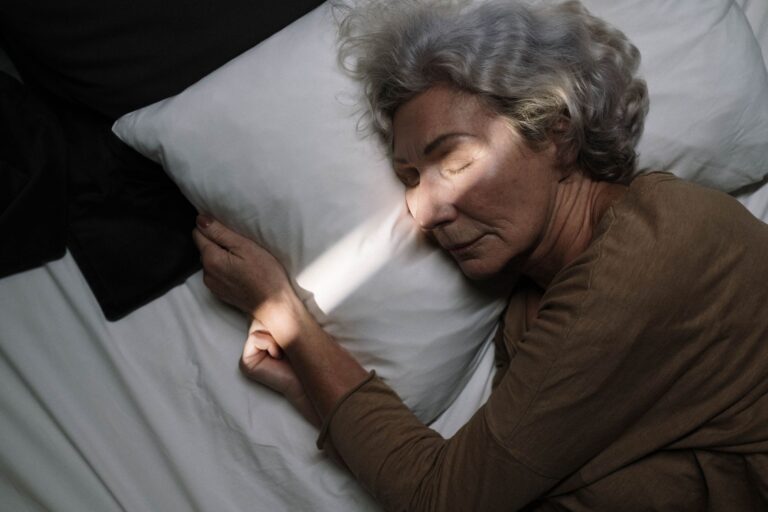
Weather alerts for extreme heat conditions require immediate attention from caregivers of people with dementia, as excessive temperatures pose significant health risks to this vulnerable population. As of March 23, 2026, an Extreme Heat Warning remains in effect across much of the southwestern United States and is expanding eastward, with temperatures shattering records in ways that have not been seen in decades. Phoenix reached 102°F on March 22, breaking the previous daily record of 94°F set in 1990, while Yuma hit 109°F—breaking the national March record that had stood since 1954. For seniors and individuals with cognitive decline, these conditions can quickly become life-threatening because dementia often impairs the body’s ability to recognize heat stress and respond appropriately.
This article explains what these record temperatures mean, why they are particularly dangerous for people with dementia, and what caregivers need to do right now to keep their loved ones safe. The heat dome affecting approximately 70 million people is historically unusual for March. Temperatures across the southwestern United States and expanding into the Plains, Mississippi Valley, and Southeast are running 15 to 25 degrees Fahrenheit above normal for this time of year, with some locations reaching 30 degrees above average. Palm Springs recorded 108°F on four consecutive days. This early-season intensity is unprecedented and creates conditions that healthcare providers rarely see this early in the calendar year, leaving many care facilities and home caregivers scrambling to adapt their protocols.
Table of Contents
- Why This March Heat Alert Is Different From Summer Heat Warnings
- Health Risks for Seniors and People With Dementia During Extreme Heat
- How Dementia Impairs Heat Recognition and Increases Vulnerability
- Immediate Actions Caregivers Should Take During This Heat Alert
- Environmental and Secondary Impacts of the Heat Wave
- Recognizing When to Seek Emergency Care
- Climate Context and Preparing for Future Heat Events
- Conclusion
Why This March Heat Alert Is Different From Summer Heat Warnings
Most people are accustomed to managing heat during summer months and understand the basic precautions. However, this March heat is arriving months earlier than typical, catching many unprepared and without the seasonal adjustments that households usually have in place by July or August. The Extreme Heat Warning issued by the National Weather Service is a classification typically reserved for conditions that pose a serious risk of illness or death if precautions are not taken. In the context of March, when air conditioning systems may not have been serviced recently and when fewer people are thinking about heat-related illness, these alerts carry extra urgency. The geographic scope of this heat event is exceptionally broad.
Areas from Arizona, Utah, Colorado, new Mexico, Wyoming, Nebraska, Kansas, Missouri, and Iowa are experiencing their warmest March temperatures on record. This means the alert is not localized to a single region where specialized response systems might be fully mobilized; instead, it spans multiple states with varying healthcare infrastructure and caregiving resources. A caregiver in Kansas facing record heat for the first time this season may not have the same preparation as someone in Phoenix, where extreme heat is more anticipated. Yale Climate Connections reports that this level of March heat is “virtually impossible” without climate change, a finding that has implications for how we should view future weather patterns. This is not a freak anomaly but rather part of a broader trend that suggests more frequent early-season heat events may become the new normal.

Health Risks for Seniors and People With Dementia During Extreme Heat
The human body’s thermoregulation system relies on both physical mechanisms and cognitive awareness. When it is hot, a healthy person perspires, seeks cooler environments, drinks water, and reduces activity levels. However, people with dementia often lose the ability to recognize these internal cues or to respond appropriately when they do feel discomfort. A person with moderate to advanced dementia may not understand why they are sweating, may refuse to drink fluids, may resist being moved to a cooler room, or may forget that they have already consumed water and continue to feel thirsty. This disconnect between physical need and cognitive response creates a dangerous gap. Additionally, many medications commonly prescribed to older adults can interfere with the body’s cooling mechanisms.
Anticholinergic drugs, some antipsychotics, and even certain over-the-counter medications can reduce the ability to sweat or can increase body temperature as a side effect. A person taking these medications during a heat wave faces compounded risk. Conditions like Parkinson’s disease, which often co-occurs with cognitive decline, can also impair temperature regulation. However, if your loved one’s medications are essential for managing their primary condition, this does not mean stopping them during hot weather; rather, it means being even more vigilant about external cooling measures and hydration. Heat exhaustion and heat stroke in older adults can present differently than in younger people. Instead of the dramatic symptoms often portrayed—confusion, loss of consciousness, extremely high temperatures—older adults may experience subtle changes like increased irritability, dizziness, nausea, or a sudden worsening of existing confusion. A caregiver might interpret these as behavioral issues related to dementia rather than recognizing them as early signs of heat illness, leading to delayed intervention.
How Dementia Impairs Heat Recognition and Increases Vulnerability
The brain regions responsible for recognizing body temperature changes and initiating appropriate responses are among those affected by dementia. Someone with Alzheimer’s disease or other forms of dementia may have damage to the hypothalamus or related neural pathways that ordinarily trigger thirst and sweating. This means a person with dementia can become severely dehydrated or dangerously overheated without any subjective sense that something is wrong. They will not seek help and may actively resist efforts to help them cool down because they do not perceive a problem. Memory loss compounds this vulnerability. A caregiver might help their loved one drink a glass of water, only to have the person forget it happened moments later and refuse another drink.
The caregiver cannot simply tell the person to “drink more water throughout the day” and expect that instruction to be retained. Instead, hydration must be offered repeatedly and in ways that feel natural—water with meals, fluids in the form of foods like popsicles or melon, and frequent small offerings rather than relying on the person to self-initiate drinking. Behavioral changes during dementia can also make heat safety harder to manage. Some people with dementia resist being bathed or showered, yet cool baths or showers are one of the most effective ways to lower body temperature during heat exposure. Others may remove clothing because they feel uncomfortable or because they have lost the cognitive ability to understand why clothing is necessary, making it harder to maintain dignity while keeping them safe. A person with wandering behavior may leave air-conditioned spaces despite caregiver efforts to keep them indoors, or they may go outside without communicating their intention.

Immediate Actions Caregivers Should Take During This Heat Alert
With the Extreme Heat Warning in effect through at least Saturday evening, immediate steps are essential. First, ensure that your living space—whether a home, assisted living facility, or nursing home—is as cool as possible. If you have air conditioning, set it to a comfortable temperature (around 72-75°F) and keep it running continuously. If you do not have air conditioning, create a cool room using fans, open windows during cooler parts of the day (early morning and evening), and close windows and curtains during the day to block out heat. Portable air conditioners or window units are options if central air is not available, but they must be installed and running before the heat peak. Hydration requires a proactive strategy. Offer fluids every 30 to 60 minutes, not waiting for the person to ask for water. Vary the form—water, juice, herbal tea, broth, popsicles, watermelon, cucumbers, and other water-rich foods all count. Avoid excessive caffeine and alcohol, which can increase dehydration, but do not eliminate all familiar beverages since refusing all drinks is worse than accepting a small amount of caffeinated tea. If your loved one has swallowing difficulties, ensure fluids are safe to consume (thickened as needed).
If they have a feeding tube, water and other liquids can be provided through that route. Clothing and bathing adjustments should prioritize cooling while respecting the person’s comfort and dignity. Lightweight, loose-fitting clothing made of natural fibers like cotton allows better air circulation. If the person is bed-bound, use lightweight sheets rather than blankets. Cool baths or showers are highly effective but should be lukewarm (not ice cold, which can cause discomfort) and offered in a way that respects the person’s preferences and routine. If direct bathing is resisted, other cooling methods include cool compresses on the neck, underarms, and groin where large blood vessels are near the surface, or having the person soak their feet in cool water while sitting in a comfortable chair. Monitor your loved one’s condition multiple times daily during the alert period. Check for signs of heat-related illness: increased confusion or irritability beyond baseline, lack of perspiration despite heat exposure, dizziness, nausea, rapid heartbeat, hot and dry skin, or changes in behavior. Keep a log of fluid intake and any symptoms you notice. If you are caring for someone in a facility, communicate directly with staff about these monitoring practices and ask how the facility is adjusting schedules and protocols during the heat warning. Do not assume that staff are aware of your loved one’s specific vulnerabilities.
Environmental and Secondary Impacts of the Heat Wave
The early intensity of this March heat event has environmental consequences beyond immediate health risks. Early snowpack melt is expected at least one month ahead of schedule, which raises concerns about water supply for communities that depend on late-spring snowmelt. This could affect water availability and water cost, which in turn affects how much water caregivers use for cooling and hydration purposes. Additionally, communities may implement water conservation measures during or after the heat event. Caregivers should be aware that they may be asked to reduce water consumption, yet hydration for vulnerable individuals cannot be compromised. If water restrictions are implemented, this creates a conflict that should be addressed with local authorities—medical needs for vulnerable populations may qualify for exemptions. The heat also creates elevated fire weather conditions in many of the affected areas.
Wildfires can generate smoke that creates additional respiratory hazards for people with dementia, particularly those with existing lung conditions like COPD or asthma. Smoke reduces outdoor air quality and can trigger coughing, wheezing, and respiratory distress. This smoke may necessitate keeping windows closed even during cooler evening hours, making indoor cooling even more essential. Air purifiers with HEPA filters can help reduce indoor smoke exposure if wildfires occur near your area. Power outages are another secondary risk during heat waves. High demand for air conditioning can strain the electrical grid, and in some cases, rolling blackouts or targeted outages may occur. Caregivers should prepare for the possibility of temporary loss of air conditioning by identifying backup cooling options—a community cooling center, a friend or family member with reliable power, or a portable battery system for fans. Having a plan in advance is far better than scrambling during an outage when your loved one is already stressed by heat.

Recognizing When to Seek Emergency Care
While caregivers should attempt to keep their loved one cool and hydrated at home, certain conditions require immediate emergency medical care. Call 911 or your local emergency number if your loved one experiences any of the following: a temperature of 104°F or higher, loss of consciousness or inability to be aroused, severe confusion that represents a significant change from baseline, cessation of sweating despite high body temperature, rapid and weak pulse, rapid shallow breathing, muscle weakness or difficulty moving, severe headache, vomiting or inability to keep fluids down, or chest pain. Heat-related illness can progress rapidly in older adults and people with dementia.
A person who appears uncomfortable but stable can decline significantly within minutes. If you are uncertain whether the situation warrants emergency care, it is better to err on the side of caution and call. Emergency responders are accustomed to heat-related calls during heat waves and will not judge you for seeking help. Many facilities and caregivers also have access to telehealth consultations that can help determine urgency if you are unsure—your primary care doctor’s office may offer this service.
Climate Context and Preparing for Future Heat Events
This March heat event is not isolated. Yale Climate Connections and other climate research organizations have documented that extreme heat events are becoming more frequent, more intense, and arriving earlier in the season. The finding that this heat would be “virtually impossible” without human-caused climate change indicates that we should anticipate similar events in future years. For caregivers of people with dementia, this means developing long-term heat management strategies rather than treating extreme heat as a rare emergency.
Consider making upgrades to your living space now, before the next heat event. Improved insulation, window treatments that block heat, a more efficient air conditioning system, or even a backup power source like a portable generator can all reduce vulnerability in future summers and early springs. Building relationships with neighbors, friends, or family members who could provide emergency shelter and cooling is also valuable. Many communities are establishing cooling centers specifically for vulnerable populations—identify where these are located in your area now so you can access them quickly if needed. The March 2026 heat wave serves as a timely reminder that planning ahead saves lives.
Conclusion
The Extreme Heat Warning affecting 70 million people across the southwestern United States and expanding eastward represents a serious health threat that demands immediate attention from caregivers of people with dementia. Record temperatures—Phoenix at 102°F, Yuma at 109°F, and Palm Springs at 108°F for four consecutive days—are not the summer-time heat that many caregivers anticipate planning for. Instead, this early-season intensity has arrived when many are unprepared, yet the risks to vulnerable populations are every bit as severe. People with dementia face compounded danger because their bodies may not recognize heat stress and their minds may not permit them to cooperate with cooling measures, creating a situation where caregivers must be proactive and vigilant.
The immediate actions—ensuring air conditioning or alternative cooling, offering fluids repeatedly throughout the day, adjusting clothing and bathing routines, and monitoring for signs of heat illness—are not optional recommendations but essential protective measures during an alert period. If you notice signs of heat-related illness, do not delay seeking emergency care. Looking forward, the trend toward earlier and more intense heat suggests that caregivers should prepare now for future events by upgrading cooling capacity where possible, identifying community resources, and building support networks. The climate context provided by Yale Climate Connections and other sources indicates that this type of March heat may become more common, making long-term planning a crucial part of dementia care going forward.