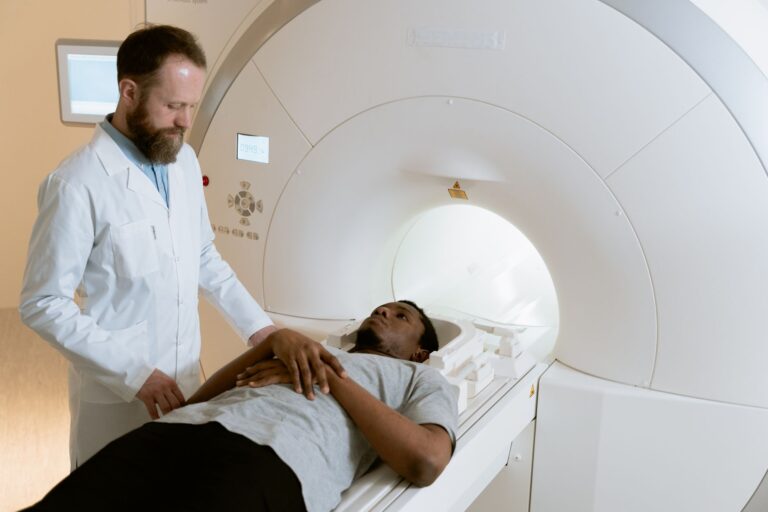
Stroke and dementia are not separate brain diseases—they share the same root cause. When a stroke damages brain tissue by cutting off blood flow, it kills neurons in specific regions. But even silent strokes, ones you never notice because they happen in areas that don’t control speech or movement, damage the brain in ways that accelerate cognitive decline. Preventing a single stroke often prevents years of progressive memory loss and the cascade of dementia that follows. The connection is measurable and direct.
A 55-year-old man who suffers a stroke in his frontal lobe loses motor control on one side. But MRI scans taken months later reveal that small, undetected strokes have silently accumulated in other parts of his brain—his hippocampus, his white matter tracts, his temporal lobe. Within three years, he begins forgetting conversations. Within five, he has been diagnosed with vascular dementia. The stroke prevention medications and lifestyle changes that would have stopped the first visible stroke would have prevented most or all of the others.
Table of Contents
- How Does Stroke Damage Lead to Dementia?
- The Role of Vascular Health in Brain Aging
- Silent Strokes and Cognitive Decline
- How Stroke Prevention Medications Protect Cognition
- Atrial Fibrillation and Dementia Risk
- Lifestyle Factors That Prevent Both Stroke and Dementia
- The Time-Sensitivity of Prevention
- Frequently Asked Questions
How Does Stroke Damage Lead to Dementia?
A stroke interrupts blood flow to brain tissue, starving neurons of oxygen. When that happens in the motor cortex, you see paralysis. When it happens in Broca’s area, you see speech loss. But when it happens in the hippocampus or the white-matter connections that link memory regions, the damage is invisible at first. You don’t realize anything has changed—your conversation speed might slow slightly, or you misplace your keys more often—but the neuron death has already begun. Over time, these small strokes accumulate.
Each one destroys a small cluster of neurons. The brain can compensate for one or two lesions by rerouting signals through intact pathways, but after five, ten, or twenty tiny strokes, the damage compounds. The pathways that hold recent memories become fragmented. The connections between the frontal lobe and the temporal lobe, essential for word retrieval, deteriorate. Eventually, the accumulated loss crosses a threshold: you have vascular dementia. But the diagnosis is not new—it is simply the visible consequence of years of undetected strokes. The damage was already there.
The Role of Vascular Health in Brain Aging
Dementia is not just about plaques and tangles—the hallmarks of Alzheimer’s disease. It is also, and often primarily, about blood vessel health. The brain’s capillaries are so small and so numerous that if you were to lay them end-to-end, they would stretch more than 400 miles. These vessels deliver oxygen and glucose to every neuron. When those vessels weaken, narrow, or rupture, the entire network of memory, language, and cognition falters. High blood pressure is the most common culprit. It damages the inner lining of blood vessels over decades, causing them to thicken and become stiff.
A 60-year-old woman with uncontrolled hypertension has vessels that look 15 years older than they should. This vascular aging makes strokes more likely, but it also causes the brain to atrophy more rapidly even without a single large stroke. Studies comparing the brains of people with well-controlled blood pressure to those with chronic hypertension show a measurable loss of gray matter in the latter group—loss that translates directly into cognitive slowing and memory decline. The limitation here is that not all vascular damage is preventable. some people have genetic predispositions to weak blood vessel walls or abnormal cholesterol metabolism. But for the vast majority of people, the damage is dose-dependent—the longer you maintain high blood pressure, high cholesterol, or poor circulation, the worse your brain ages. This means that even starting stroke prevention at 60 or 70 can still reduce your dementia risk, though starting earlier is significantly more effective.
Silent Strokes and Cognitive Decline
A silent stroke is a stroke you never feel. It happens without weakness, slurred speech, or numbness. You go to sleep, or you’re sitting at your desk, and small blood clots lodge in capillaries deep in your brain. By morning, a patch of neurons is dead. You have no way of knowing it happened except through an MRI scan. Studies tracking people over decades have found that silent strokes are far more common than symptomatic ones. A 70-year-old with high blood pressure might have ten or fifteen silent strokes and only one that causes visible symptoms.
Yet the silent ones are the bigger threat to cognitive health. Each silent stroke in the hippocampus or frontal lobe degrades memory formation or executive function in subtle ways. One silent stroke might make it harder to organize your schedule. Another might slow your name-recall speed. A third might weaken your ability to learn new information. Individually, each change is small—people around you don’t notice. But cumulatively, they are the difference between normal aging and dementia diagnosis.
How Stroke Prevention Medications Protect Cognition
The medications that prevent stroke—blood pressure drugs, statins, anticoagulants—also protect the brain from vascular damage that causes dementia. An ACE inhibitor or an ARB (angiotensin II receptor blocker) does more than lower blood pressure; it reduces inflammation in blood vessels and improves blood flow to the deepest parts of the brain. A statin lowers cholesterol but also stabilizes plaques in artery walls and reduces the inflammation that weakens vessels. Aspirin or a prescription anticoagulant prevents clots. But there is a tradeoff. Medications carry side effects.
Blood pressure drugs can cause dizziness, fatigue, or erectile dysfunction. Anticoagulants increase bleeding risk—a fall that would cause a bruise in someone not on anticoagulants might cause a subdural hematoma in someone who is. Statins, for a minority of people, cause muscle pain or cognitive fuzzing. These are real drawbacks, and they are why medication compliance is difficult. A 72-year-old man might skip doses of his blood pressure medication because he dislikes the side effects, not realizing that those doses are also his best defense against dementia. The tradeoff is often worth it—the stroke and dementia risk reduction typically outweighs the side effect burden—but it requires an honest conversation with a doctor about which tradeoffs matter most to you.
Atrial Fibrillation and Dementia Risk
Atrial fibrillation is an irregular heartbeat that creates pockets of stagnant blood in the heart. Those pockets form clots. Those clots travel to the brain and cause strokes. People with untreated atrial fibrillation have a stroke risk five to seven times higher than people with normal heart rhythm. What many people do not realize is that they also have a dementia risk that is elevated even if they have never had a symptomatic stroke. A person with atrial fibrillation who is not on anticoagulation therapy (or who is on it but has inconsistent compliance) experiences frequent small clots. Many lodge in brain capillaries and cause silent strokes. Some dissolve without damaging tissue.
But others create lesions. A study following 5,000 people with atrial fibrillation found that those not on adequate anticoagulation had twice the rate of cognitive decline compared to the general population, independent of any diagnosed stroke. The cognitive loss happened silently, one small clot at a time. The warning here is critical: if you have atrial fibrillation, anticoagulation is not optional for cognitive health. It is one of the most direct stroke-prevention measures available. Warfarin, apixaban, dabigatran, and rivaroxaban all work, though some require more monitoring than others. A 65-year-old woman newly diagnosed with atrial fibrillation who refuses anticoagulation because she fears bleeding is accepting a significantly higher dementia risk. The risk of cognitive decline over the next 20 years from untreated atrial fibrillation usually exceeds the risk of a major bleed from anticoagulation.
Lifestyle Factors That Prevent Both Stroke and Dementia
Exercise strengthens blood vessel walls, lowers blood pressure, and improves the efficiency of oxygen delivery to the brain. A 55-year-old who walks for 30 minutes five days a week has measurably better vascular function than a sedentary peer. That better function translates into fewer silent strokes. Mediterranean diet patterns—high in olive oil, fish, and vegetables, low in processed foods—reduce both stroke and dementia incidence by approximately 30 percent in long-term studies.
Sleep quality and duration matter; people who chronically sleep fewer than six hours per night or have untreated sleep apnea show accelerated cognitive decline and more microinfarcts on brain imaging. Cognitive engagement and social connection are protective too, though through a different mechanism. They do not prevent strokes directly, but they build cognitive reserve—a kind of mental redundancy that allows the brain to tolerate more vascular damage before symptoms appear. A 70-year-old who is mentally active and socially engaged can have significant vascular damage and still show no cognitive symptoms, because her brain has developed multiple pathways to accomplish the same tasks. A sedentary, isolated 70-year-old with the same amount of vascular damage may already be in early-stage dementia.
The Time-Sensitivity of Prevention
Stroke prevention works best if started early, but it is never too late to start. The vascular damage that leads to dementia begins in the 40s and 50s for people with high blood pressure or other risk factors. Each decade of uncontrolled hypertension adds measurable brain atrophy. However, studies of people who started aggressive blood pressure control in their 60s or 70s still showed significant cognitive benefits compared to matched controls who did not treat. A 68-year-old man with lifelong hypertension who finally gets it under control may not recover the brain tissue already lost, but he can slow the rate of future loss significantly.
The key is consistency. Stroke prevention medications only work if taken as prescribed. A person who is on the right blood pressure medication but takes it sporadically—missing doses on weekends or when traveling—gets only partial protection. The blood vessel damage continues at a slower rate, but it continues. Over a decade, the difference between consistent and inconsistent medication use is measurable on brain imaging: the consistent user shows less atrophy, fewer new microinfarcts, and better preserved cognition. The choice to take a daily pill reliably is the choice to preserve years of cognitive function in old age.
Frequently Asked Questions
If I’ve never had a stroke, do I still need to worry about stroke prevention for my brain?
Yes. Most strokes that damage the brain and lead to dementia are silent—you never feel them. They happen in areas that don’t control movement or speech. An MRI might show five or ten of them before you have any cognitive symptoms. Stroke prevention medications protect you from these invisible strokes.
Can you reverse dementia by preventing strokes?
You cannot reverse dementia that has already developed, but you can slow its progression and prevent it from happening in the first place. If you are in your 50s or 60s and manage your stroke risk factors well, you can avoid vascular dementia entirely or delay its onset by 10 or 20 years.
Does blood pressure medication prevent dementia?
Blood pressure medication reduces stroke risk, which in turn reduces dementia risk. Studies show that people on blood pressure medication have less brain atrophy and slower cognitive decline than those with uncontrolled hypertension. The effect is not dramatic—it is not a cure—but it is measurable.
What blood pressure number should I aim for to protect my brain?
The target depends on your age and health, but generally, below 130/80 is considered good for brain health. Some studies suggest that even lower targets (120/80 or below) provide additional cognitive protection, though the benefit of aiming for very low pressures in older adults is still being studied.
Is atrial fibrillation always a dementia risk?
Atrial fibrillation significantly increases stroke and dementia risk if not treated. Anticoagulation therapy (blood thinners) reduces that risk substantially. People with atrial fibrillation who are on appropriate anticoagulation have stroke and dementia rates much closer to the general population.
Can lifestyle changes alone prevent strokes and dementia?
Lifestyle changes—exercise, diet, sleep, stress management—are powerful and are always recommended. However, for many people with genetic predisposition to high blood pressure, high cholesterol, or arrhythmias, lifestyle changes alone are not enough. Medication is often necessary to achieve the degree of stroke prevention needed to protect long-term cognitive health.