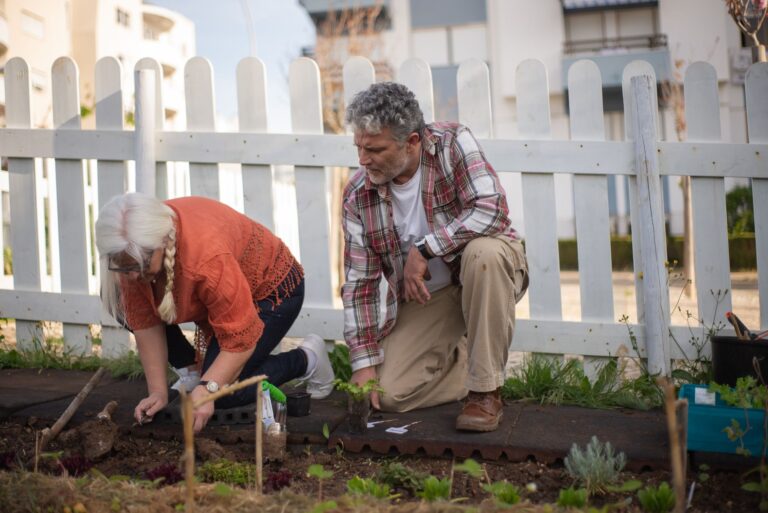
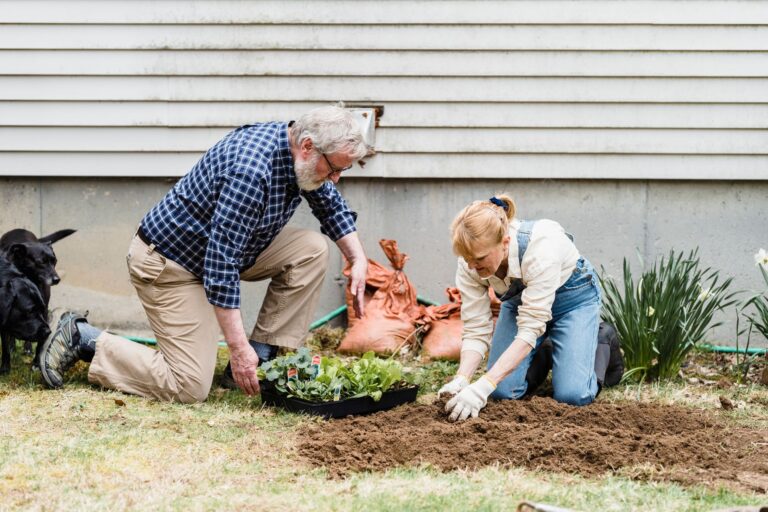
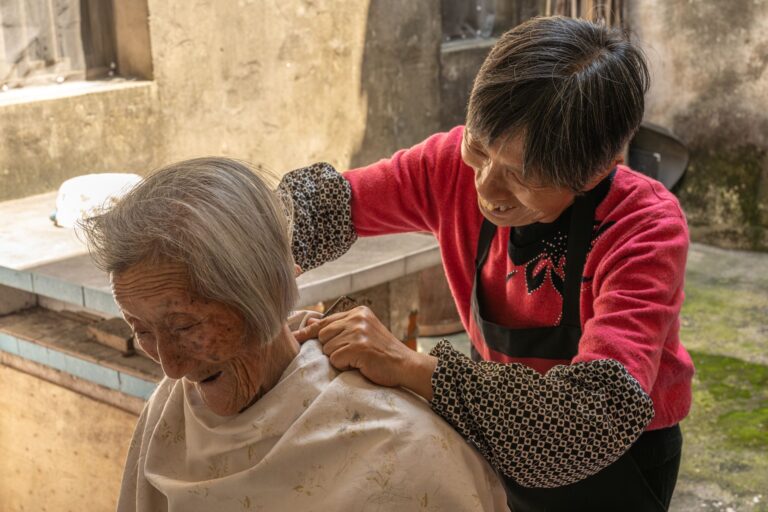
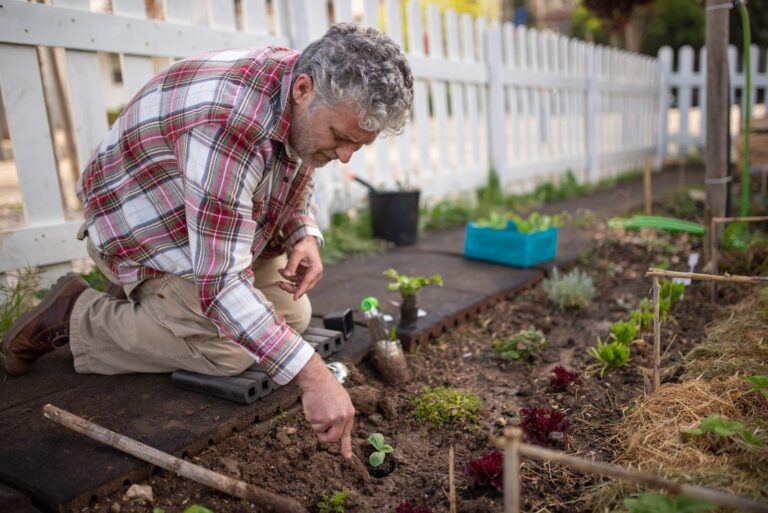
A realistic midlife routine can include two to four hours of volunteering each week. That steady role supports brain health by adding social contact, mental effort, and light physical activity.
Dementia-prevention routine here means habits that lower modifiable risk, not a guarantee against dementia. The 2024 Lancet Commission attributes about 45% of global dementia cases to 14 modifiable risks. They include infrequent social contact, physical inactivity, depression, hearing loss, hypertension, diabetes, smoking, obesity, and high LDL cholesterol.
Medical information disclaimer: This article is for general educational purposes only and does not provide medical advice, diagnosis, or treatment. Always consult a physician or other qualified health professional about symptoms, medications, tests, or treatment decisions.
Table of Contents
- How much volunteering is linked to slower decline?
- Why does social connection matter this much?
- What should a midlife volunteer role include?
- How do you fit this with exercise and stay realistic?
How much volunteering is linked to slower decline?
Researchers at the University of Texas at Austin followed more than 30,000 adults over 51 for 20 years. Those giving about two to four hours weekly of formal volunteering or outside-home help showed 15%-20% slower cognitive decline, described in the study report.
A pooled analysis of 57,793 adults in 24 countries followed for about six years found volunteering consistently linked to lower decline risk. The benefit was strongest with three or more regular activities, especially volunteering plus sports-club membership, according to the BMJ Group in the research summary.
Why does social connection matter this much?
Loneliness raised all-cause dementia risk by 31% in a meta-analysis of 21 longitudinal cohorts totaling 608,561 people. The link held even after accounting for depression and social isolation, reported by Florida State University College of Medicine.
Volunteering can directly cut isolation and low mood. In AmeriCorps' two-year study of new Foster Grandparent and Senior Companion volunteers, 84% reported stable or improved health. Among those who lacked companionship, 88% felt less isolated, and 78% with multiple depressive symptoms felt less depressed.
What should a midlife volunteer role include?
Pick a role that mixes people, thinking, and movement in the same weekly shift. Examples are classroom support, food-bank shifts, park cleanups, or coaching youth activities.
In Baltimore's Experience Corps pilot trial, older volunteers placed in elementary schools for an academic year increased physical, cognitive, and social activity. They lost less walking speed than controls over four to eight months. Use this quick check before you commit:.
- social contact every session, not solo tasks at home
- mental challenge such as teaching, organizing, or problem-solving
- light movement such as walking, standing, or setup and cleanup
How do you fit this with exercise and stay realistic?
Aim for a fixed two-to-four-hour weekly volunteer slot alongside at least 150 minutes of moderate aerobic activity each week. That activity level is recognized by the U.S.
CDC to lower dementia and cognitive-decline risk, noted in the guidelines summary. These findings remain observational and cannot prove volunteering prevents dementia. Healthier and more connected adults are likelier to volunteer, and studies used different definitions of social activity, according to the BMJ Group.