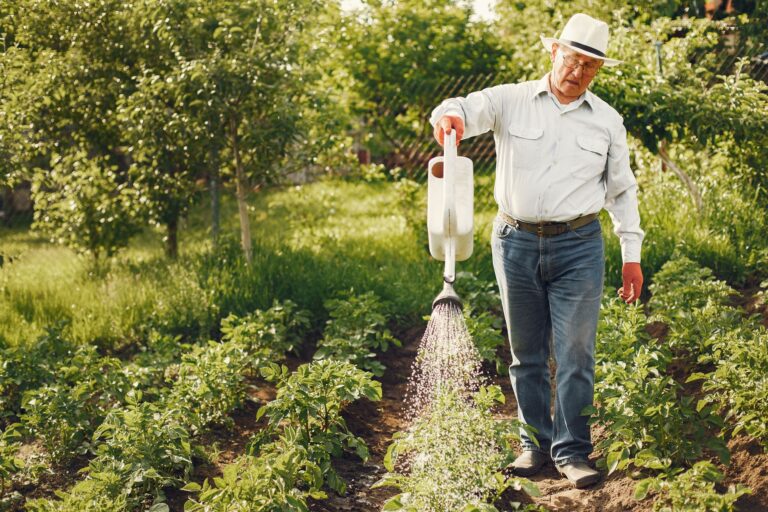
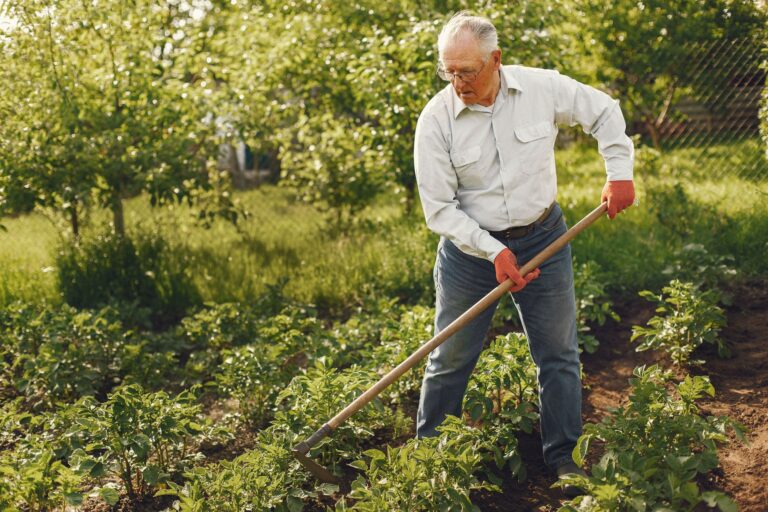
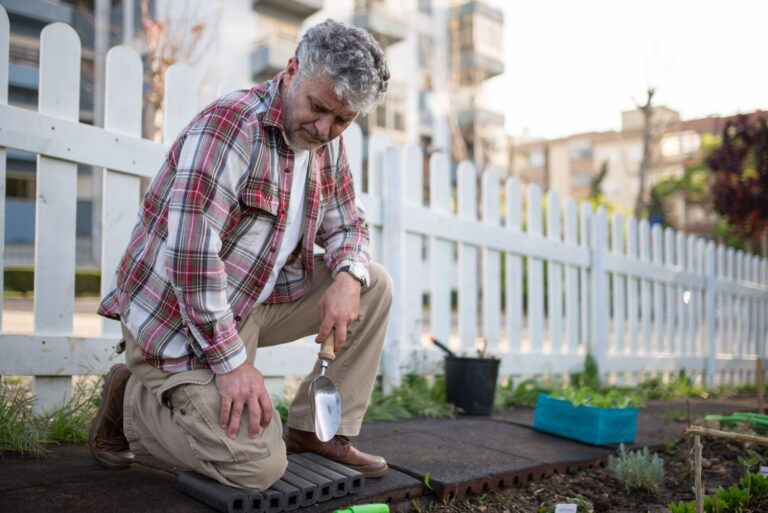
Start with short, regular garden sessions that mix light digging, planting, and walking with water and shade breaks. Wear gloves, sun cover, and closed shoes, and keep paths clear and tools in safe reach. A brain health plan here means a weekly routine of movement, mental challenge, good food, sleep, and health checks that supports thinking. Gardening fits because it adds motion, planning, and time outdoors in small, repeatable steps.
Medical information disclaimer: This article is for general educational purposes only and does not provide medical advice, diagnosis, or treatment. Always consult a physician or other qualified health professional about symptoms, medications, tests, or treatment decisions.
Table of Contents
- What gardening may do for memory
- How much activity helps in a weekly plan
- How do you set up a safer garden space
- How do you handle sun, heat, and insects
- How do you handle soil, cuts, and pest products
What gardening may do for memory
In a lifetime study of 467 Edinburgh-area adults tested at age 11 and again at age 79 to 90, the 280 who gardened frequently or sometimes showed greater lifetime cognitive improvement than never or rare gardeners. The University of Edinburgh reports the advantage persisted even as memory and fluency declined after age 79, in the university research summary.
A 2019 U.S. study of 136,748 adults age 45 and older found gardeners had lower odds of self-reported cognitive decline than non-exercisers, with adjusted odds of 0.72, and lower odds of decline-related limits at 0.57. The study authors describe an association, not proof that gardening prevents decline, according to the PubMed record in the study abstract.
How much activity helps in a weekly plan
Federal guidance from CDC advises older adults to get at least 150 minutes weekly of moderate aerobic activity, plus muscle-strengthening on two or more days and balance activity. CDC links regular movement to better brain health, independence, and lower fall risk, as detailed in the older adults activity guidance. The two-year U.S.
POINTER trial in more than 2,000 older adults at risk for decline found both multidomain programs improved thinking. The structured program of 30 to 35 minutes of aerobic exercise four times per week, plus strength work, brain training, MIND diet, and health monitoring, improved global cognition most, the Alzheimer's Association reports in the trial results summary. Use gardening for part of the aerobic and strength total, not the whole plan. Alternate digging, raking, carrying watering cans, and brisk walking with seated sorting, planning, and learning new plants.
How do you set up a safer garden space
Pick raised beds or containers to cut bending and lifting. Keep paths wide, flat, and free of hoses, pots, and roots. CDC notes about one in four adults over 65 falls each year, so stable footing matters.
- Wear gloves, closed shoes with grip, and long sleeves for thorns and soil
- Keep tools sharp, clean, and stored point-down in one spot
- Use a stool or kneeler, and switch tasks every 20 to 30 minutes
- Garden with a phone nearby and tell someone your plan
How do you handle sun, heat, and insects
CDC gardening advice lists sun, insects, tools, and chemicals as leading garden hazards. It recommends long sleeves, wide-brim hat, sunglasses, SPF 15 or higher sunscreen, insect precautions, gloves, safe tool handling, and limits on midday heat with water breaks.
Adults 65 and older, young children, and people with chronic disease or heat-affecting drugs face highest heat-illness risk, CDC and NIOSH advise. Drink water before feeling thirsty and rest in shade.
- Stop for heavy sweating, cramps, dizziness, nausea, or confusion
- Work before 10 a.m. or after 4 p.m. on hot days
- Reapply sunscreen and check for ticks and bites after work
How do you handle soil, cuts, and pest products
Soil in cuts raises tetanus risk. CDC advises a booster if a dirty or major soil-contaminated wound occurs five or more years after the last tetanus shot, with routine boosters every ten years.
Check your shot record before garden season and clean every cut right away. For pests, the EPA advises home gardeners to first try nonchemical control such as hand-picking, barriers, or traps. If using a pesticide, read and follow the label exactly, wear label-required gloves, long pants, and long sleeves, keep children and pets away until dry, and avoid spraying on windy or rainy days.