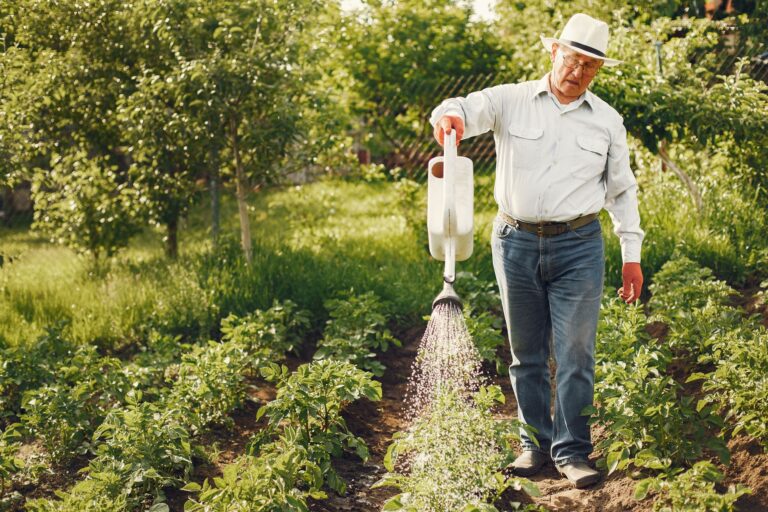
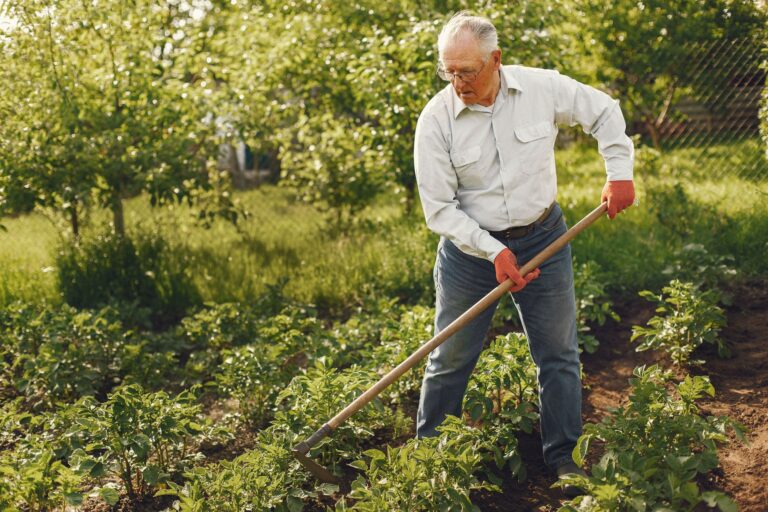
Common barriers are painful joints, limited mobility, heat illness, dehydration, and falls. Heart disease, diabetes, obesity, and fragile skin make those risks higher for many older gardeners.
Here dementia prevention means daily habits that may lower risk, not guaranteed protection. The Alzheimer's Association lists gardening alongside walking and dancing as movement that raises heart rate and blood flow to the brain in its healthy habits guidance. That benefit remains, but chronic conditions change how safely a person can do the work.
Medical information disclaimer: This article is for general educational purposes only and does not provide medical advice, diagnosis, or treatment. Always consult a physician or other qualified health professional about symptoms, medications, tests, or treatment decisions.
Table of Contents
- Why does gardening matter for brain health?
- When do joints and mobility block ground-level beds?
- Why is heat and sun risk higher with chronic conditions?
- What lowers strain and fall risk without quitting?
Why does gardening matter for brain health?
Regular movement is linked to lower dementia risk. The Alzheimer's Society UK reports that people who exercise regularly may be up to 20% less likely to develop dementia in its physical activity guidance. That review counts daily activities such as brisk walking, cleaning, and gardening as qualifying exercise. Gardening works because it combines light endurance, strength, balance, and time outdoors.
Weeding, digging, carrying water, and walking between beds raise breathing and circulation. For readers managing other illnesses, the question is not whether movement helps, but which gardening tasks fit current joints, balance, and heat tolerance. The link is an association, not a promise. The Alzheimer's Association notes that blood pressure, diabetes, smoking, and other risks also affect cognition. Gardening helps most alongside control of those conditions.
When do joints and mobility block ground-level beds?
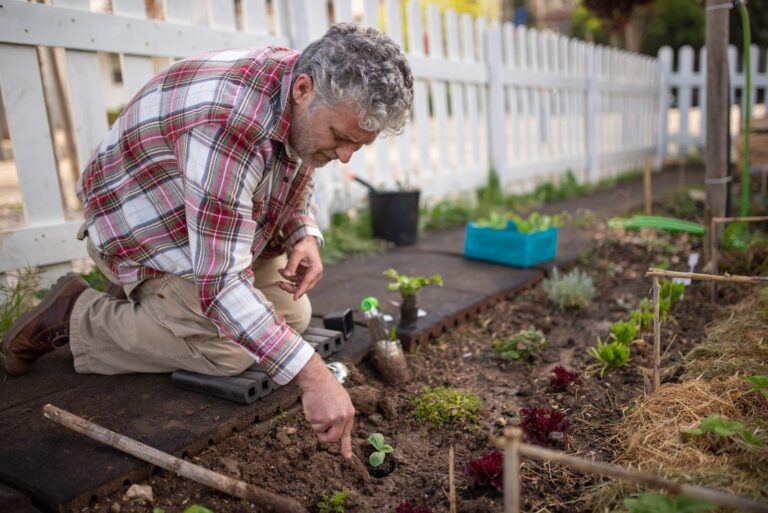
Kneeling, bending, and stooping are often the first barrier. The Ohio State University Agricultural Safety and Health Program reports that tending ground-level beds may be difficult or impossible for gardeners with arthritis or chronic pain in its accessible gardening guidance. Low beds force repeated joint loading and long time in one posture. Pain changes form as well as effort.
Stiff knees, hips, hands, and backs make gripping, pulling weeds, lifting soil bags, and rising from the ground harder. Fatigue then builds faster, and short sessions can cause soreness that lasts for days. Uneven soil, narrow paths, low hoses, and heavy pots add more strain. A reader who can walk indoors may still struggle to step over edging, carry a watering can, or turn with a full tray.
Why is heat and sun risk higher with chronic conditions?
Aging brings thinner, fragile skin, weaker temperature regulation, and faster dehydration. UC Agriculture and Natural Resources advises hats, sunscreen, shade, fluids before thirst, and rest breaks for older gardeners. Sunburn, blisters, scrapes, and heat exhaustion therefore happen more easily during routine garden work. Chronic disease raises the stakes.
The NY State Office for the Aging, citing CDC data, warns that older adults and people with chronic diseases face the highest risk of heat-related illness in its summer heat advisory. Extreme heat kills more than 600 people yearly in the U.S., especially those with diabetes, obesity, or heart disease. Some heart, blood pressure, and diabetes drugs also affect fluid balance, sweating, or dizziness. Morning humidity, direct midday sun, and lack of nearby seating or water make symptoms harder to catch early. Dizziness in a garden can quickly become a fall.
What lowers strain and fall risk without quitting?
Layout changes reduce bending and lifting. Ohio State University and UC Agriculture and Natural Resources point to raised, elevated, vertical, container, and hanging gardens for limited-mobility gardeners. Narrower beds put plants within arm's reach from a chair or standing position. Timing and tools matter as much as bed height.
The same programs recommend gardening before 10 a.m. and after 4 p.m., with adapted tools, to conserve energy and lower strain. The Alzheimer's Association also pairs its get-moving advice with preventing falls and protecting the head. Firm footing, good light, gloves, closed shoes, and asking for help with ladders, heavy lifting, or unstable slopes keep a small garden task from causing a major injury.
- Use waist-high raised beds or sturdy containers on tables and stands.
- Keep paths wide, level, and clear, with a stable seat nearby.
- Choose light tools with long or padded grips and a hose over a can.
- Work in short blocks in shade, with water, hat, and sunscreen.
- Stop for dizziness, headache, nausea, heavy sweating, or unusual fatigue.