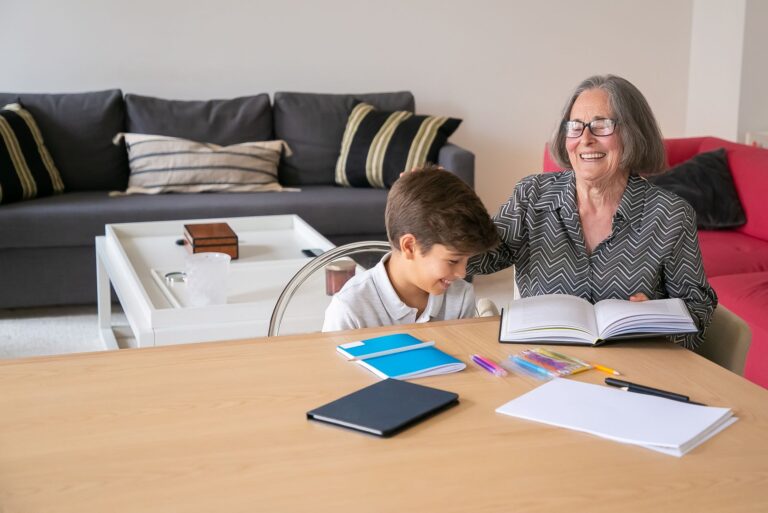
Adapt watercolor painting for middle-stage dementia by simplifying the setup and actively helping the person start. Use large brushes, thick paper, a few colors, one or two steps at a time, and praise color and process over result.
Middle-stage dementia, also called moderate dementia, is typically the longest stage, according to the Mayo Clinic Press in its guide to how Alzheimer's progresses. It brings more confusion and forgetfulness and more need for help with daily care. A good session stays short, simple, and flexible.
Medical information disclaimer: This article is for general educational purposes only and does not provide medical advice, diagnosis, or treatment. Always consult a physician or other qualified health professional about symptoms, medications, tests, or treatment decisions.
Table of Contents
- Pick a calm moment and a simple task
- What materials make painting easier?
- How do you help without taking over?
- How do you protect dignity and spark talk?
- What should you realistically expect?
Pick a calm moment and a simple task
Choose a quiet time and a clear table with good light. Match the task to what the person can still do that day. The National Institute on Aging advises this fit, plus help getting started and one or two steps at a time.
Keep the session brief and stop before fatigue builds. Offer watching as a valid choice. Sit beside the person, rather than across, so guiding the hand feels natural.
What materials make painting easier?
Use only safe, non-toxic, washable paints and tools that are easy to hold. Avoid toxic substances and sharp tools that could cause harm. The Alzheimer's Association and the American Art Therapy Association give this safety guidance for dementia art.
Practical painting guides from the Alzheimer's Society UK and art-therapy practice point to larger tools and fewer choices. Wet-on-wet work lets color move with little control. Set out only what the step needs. Put extra paints and paper aside to reduce distraction.
- large, easy-grip brush and a steady water cup
- large, thick paper taped down so it does not slide
- two or three colors, plus water-only Aquapaints for less mess
- apron or smock, washable cloth, and room to rest the arm
How do you help without taking over?
Start the action together so the blank page feels less daunting. The Alzheimer's Association guide to art and music advises caregivers to actively help the person begin, including starting the brush movement when painting.
Stay close, then give only basic instruction and assistance. Keep directions to one step, then pause. Say "dip the brush," wait, then say "touch it here." If the person stalls, touch your brush to the wet paper and let them follow the color spread.
How do you protect dignity and spark talk?
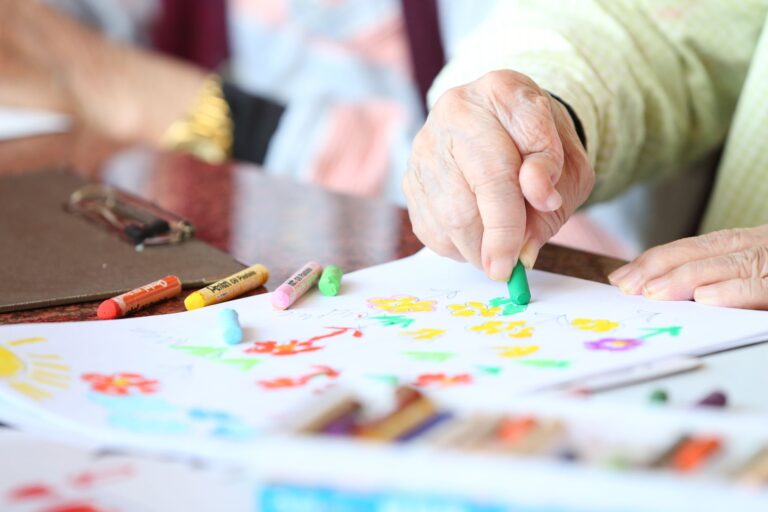
Choose an adult project, not a childlike one. The Alzheimer's Association advises keeping middle- to late-stage art at an adult level to preserve dignity. Offer real watercolor paper, true colors, and a simple landscape wash or color blend.
Build talk into the work. Encourage the effort, discuss what is forming, and use colors or shapes to prompt memories. Ask what a blue reminds them of, or whether a green looks like a past garden.
What should you realistically expect?
Aim for pleasant color play, not an accurate picture. Wet a small area first, then let one or two colors bleed across it. Name what you see: soft edge, dark pool, light sky.
Treat painting as shared time, not treatment with proven power. A 2018 Cochrane review of art therapy for dementia found only two eligible trials with 60 participants total and rated the evidence very low quality. Keep the finished page as a prompt for talk, not a test of skill.